When a New Pope Opens Doors for Unity
A historic papal moment invites the church to humility, honest history, and better communication—practical steps for unity and renewed witness.
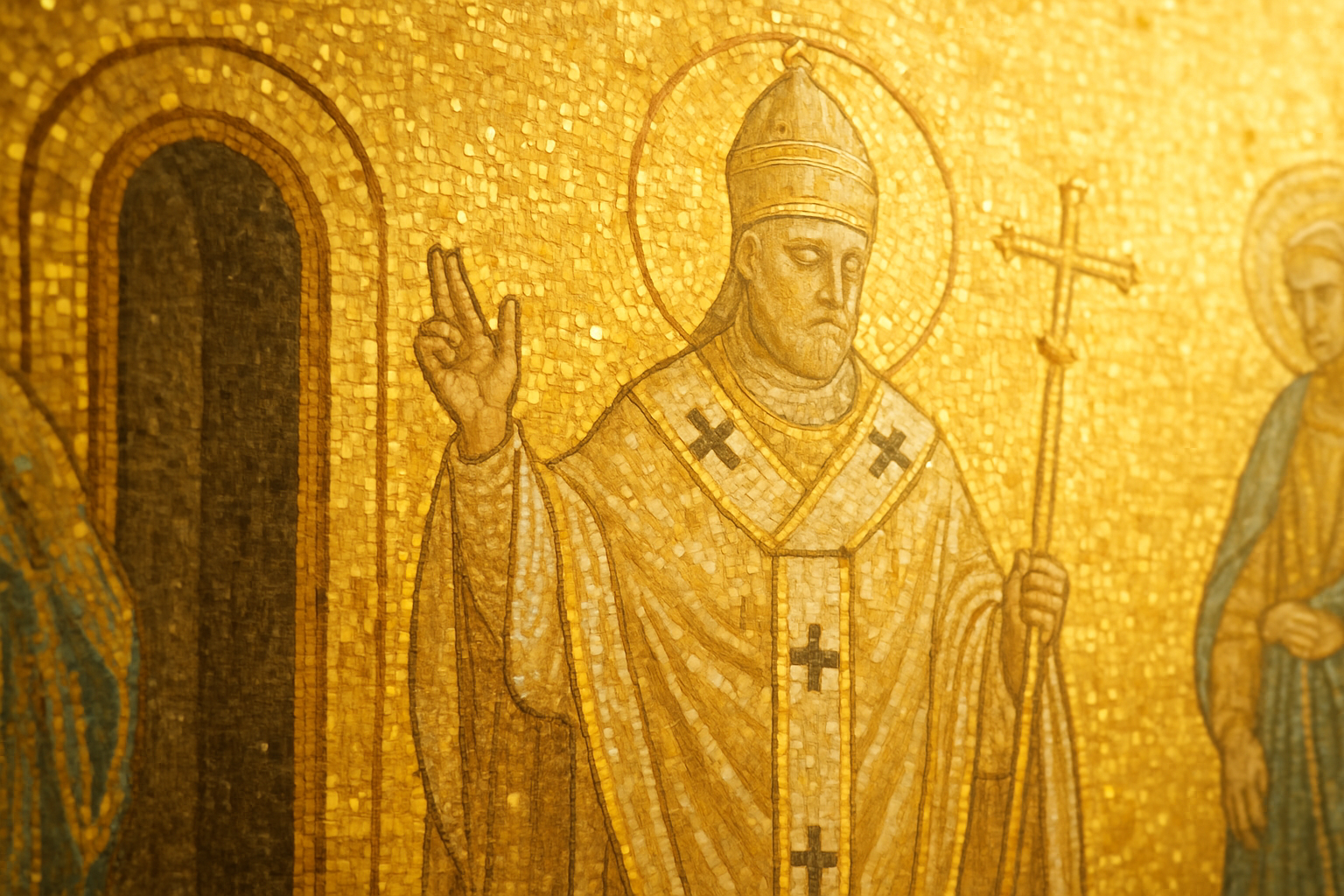
Why the First American Pope Matters to All Christians
A first-of-its-kind appointment is both symbolic and practical. It forces questions that have simmered in church basements and pulpit conversations for decades: Who represents the Christian witness on the global stage? How do historical wounds inform present relationships? What does it mean for Christians of every tradition when one leader carries a visible mantle in the public square?
One detail worth holding: the new pontiff’s story includes years spent in the jungles of Peru sharing the gospel and offering social care among the poor. That pastoral footprint matters because it reminds us leadership is not only offices and liturgies — it is formation on the margins.
The Heart of It: Leadership that bears witness to the poor invites the church into repentance and action.
Behind the Words: When a visible leader has a history of serving the marginalized, it becomes harder for the rest of the church to sit in comfortable indifference.
Try This: Ask what ministry among the poor your congregation could prioritize this year.
Behind the Words:
"For he himself is our peace, who has made the two groups one and has destroyed the barrier, the dividing wall of hostility." — Ephesians 2:14
Ephesians 2 was written to Gentile and Jewish believers in a time when ancient enmities still shaped daily life. Paul addresses a concrete problem: people who carried centuries of hurt into the life of the church. He insists that Christ’s work breaks down those walls.
The Heart of It: Christ’s peace is not a smoothed-over compromise; it is a reconstruction of identity that refuses old hostilities.
Try This: Picture your Sunday morning — the ways you unconsciously keep separate tables, conversations, or priorities. Close your eyes and imagine one specific person from a different tradition joining your small group. What would change if you welcomed them and learned from them for a year?
A clear pastoral reminder grounds the papacy in Jesus’ own Jewish soil: the first apostolic leader was a Jewish fisherman from Galilee. Our conversations about Roman structures and Christian identity must begin with humility about origins; we cannot rewrite the genealogy of faith to suit our arguments.
A direct pastoral appeal remains: when debates rage about titles and power, the simpler question returns — what does God want the church to do now?
What the History of the Papacy Teaches Us
History shapes our imagination. The papacy has been a center of sacrament and charity, and also a site of controversy. Studied with honest eyes, its past offers models to emulate and failures to confess. Structures can protect doctrine and serve neighbors, but institutions can also clothe sin in authority unless they are regularly exposed to repentance.
One detail often missed in public chatter is the human training line behind leaders: some papal biographies include humble roots, formation in local colleges, service as altar servers, and long seasons of pastoral work. These particulars remind us that centuries of leadership are held by real, flawed people shaped by culture, education, and mission.
The Heart of It: True historical wisdom is confession-focused, not triumphalist.
Behind the Words: If we treat history as a justification for pride, we harden the heart; if we treat history as a ledger to be repented over, it becomes a means of grace.
Try This: Teach one honest episode of church history in your small group this month and ask: where do we need to ask for forgiveness?
Behind the Words:
"I do not pray for these alone, but also for those who will believe in Me through their word; that they all may be one." — John 17:20–21
Jesus prayed this in the shadow of his cross, addressing both the disciples present and the scattered future church. He pleads for a unity that reflects the triune life — not organizational unity alone, but relational and missional oneness.
The Heart of It: Unity that honors Christ reflects Jesus’ relational life and mission; it is both witness and prayer answered.
Try This: Picture an old wound between two traditions in your town — a disagreement that went on for decades. Imagine arranging a quiet table with one leader from each side and asking, "What have we missed because we were divided?" Let listening outweigh arguing.
We must face a hard saying directly: when our opinion means more than the will of God, pride is at work. That cuts through defenses and asks: is our posture of critique protecting a self-made righteousness or opening us to God’s correction?
Confession leads. Repentance is not merely saying "I’m sorry" and moving on; it is a turning — a tishuvah — that reshapes words and policies. Historic abuses like anti-Semitism or other failures of the church cannot be swept under the rug if we are serious about healing the land. Scripture links national repentance with healing for the land, and the church must not abdicate that ministry of confession.
When Language Builds Bridges
Language is more than vocabulary; it carries culture, theology, and trust. A leader who "speaks like six languages" — who can pray, apologize, and preach across tongues — models how Christians should communicate in mission. Learning another language is a sign of humility; speaking plainly across cultural lines is a sacrament of reconciliation.
Communication matters for unity in three simple ways: it shows respect, prevents misunderstanding, and models sacrificial listening. A ministry that learns the neighbor’s idiom says, "You are not a problem to be fixed; you are a person to be known."
The Heart of It: Language that seeks the other is theology in action.
Behind the Words: When we refuse to learn how others speak, we confirm separateness; when we cross linguistic borders, we demonstrate the incarnation of the gospel.
Try This: Commit to learning one conversational phrase in a neighbor’s language this month and use it with warmth.
Behind the Words:
"And they continued steadfastly in the apostles' doctrine and fellowship, in the breaking of bread, and in prayers." — Acts 2:42
Acts paints an early picture of the church’s life together: doctrine, fellowship, sacraments, and prayer. These communal practices require language — words to confess, stories to tell, rituals to share.
The Heart of It: Communal practices depend on shared language and accessible communication; without them, fellowship frays.
Try This: Imagine a Sunday where one family in your church speaks a different home language. What would it look like for your congregation to rehearse the Lord’s Prayer in that language, and to explain it in a way both families can learn together? A small experiment like that unravels assumptions about who the church is for.
Practical examples matter. Churches that have crossed language barriers often report a deepening of worship rather than a loss of identity. It is not a dilution; it is the gospel liberated into new forms. When words cross cultures, pride falls and curiosity rises.
A pastoral nudge: avoid the neat trap of thinking unity means uniformity. Unity grows when we allow difference to be confessed, blessed, and redirected toward mission. That requires listening, translation, and patience — not mere tolerance.
Moments of public attention — whether a first-American appointment to an ancient office, a conference, or a viral sermon — are tests. Will we use attention to posture, or to repent? Will we use influence to erect walls or to dismantle them? The call is to convict our hearts, beg God for humility, and practice small acts of bridge-building that prove larger unity possible.
So what do we do tomorrow? Start with confession. Open a conversation with someone from another tradition. Learn one new phrase in a neighbor’s language and use it to bless them. Remember that gospel reform begins where pride ends, and that God’s plans often come through ordinary repentance and ordinary acts of service.
We are called not to agree with everything every leader does, but to follow Jesus together — and to ensure our opinions never outmatch the will of God in our hearts. Don’t miss the heart of God in this. Let our witness be humble, honest, and hopeful.
Key Takeaways
- The importance of unity among all Christians.
- Repentance is necessary for healing and unity.
- Recognizing the historical context of church relations is vital.
- Active engagement in faith can lead to societal change.
- A commitment to the teachings of Jesus should guide all actions.
Notable Quotes
"It's a powerful moment not just for Catholics but for all who follow Christ."
"The one new man concept is vital to understanding our roles in the body of Christ."
"We can't forget who the first pope was; that Jewish fisherman from Galilee."
Related Articles
- When an American Pope Calls the Church to Unity
An American in an ancient chair invites us to ask: will history harden us or humble us? A call to repentance, unity, and renewed Christian identity.
- When a Pope Becomes a Moment for Unity
A historic papal moment presses Christians to choose humility over pride: how will our history and our words deepen division or open the way for genuine unity?
- When a New Pope Changes the Conversation
A new papal moment invites the whole church to reckon with history, culture, and unity. What if this moment called us to humble listening, repentance, and concrete repair?
- A New Pope and the Call to Unity
A first American Pope forces the global Church to reckon with history: can repentance and humility turn centuries of division into a bridge toward unity?