Why Your Vote Still Matters Locally
Local elections shape daily life. Vote early, test promises, and resist viral certainty—because civic participation is both stewardship and neighbor love.
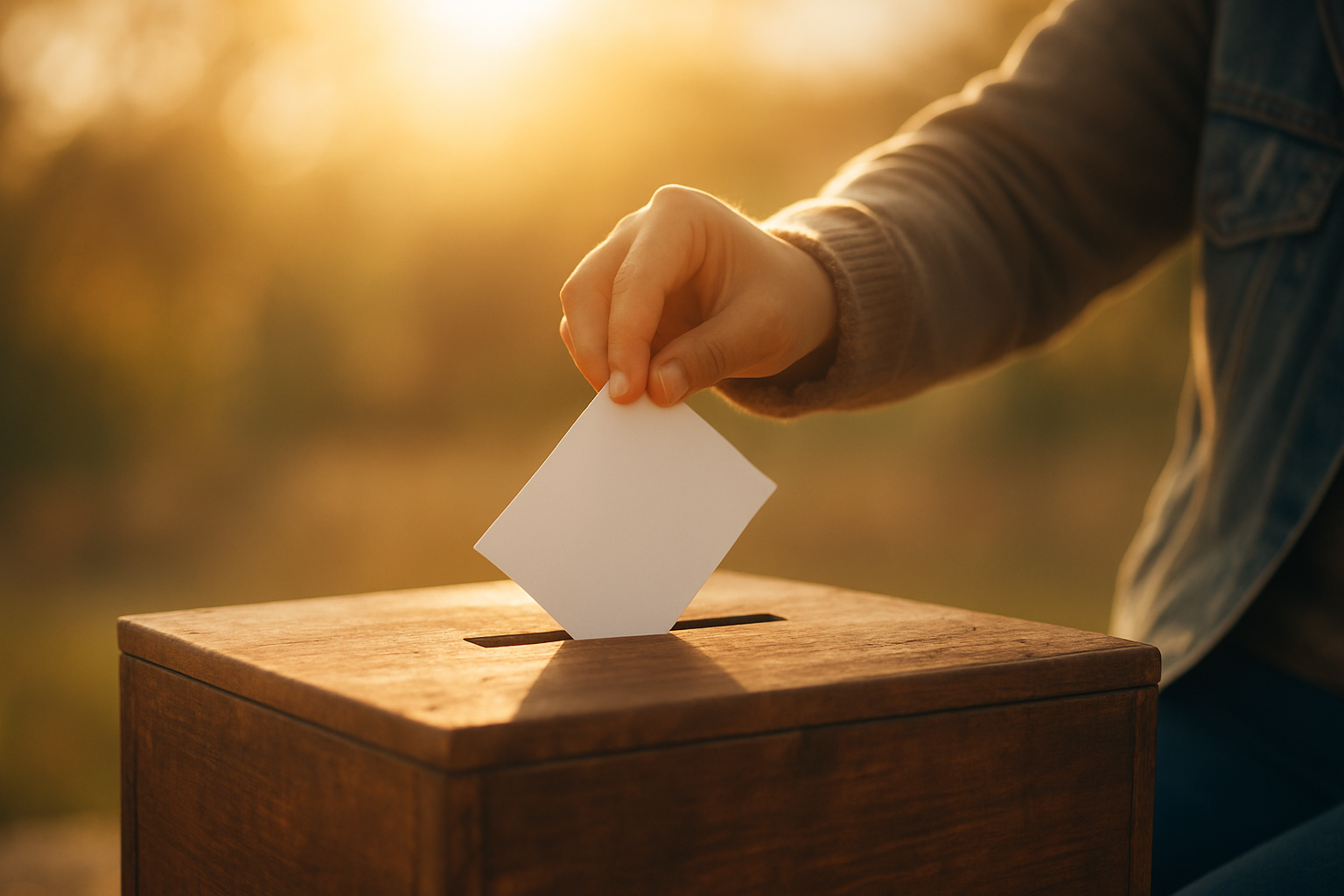
When Cities Become the New Frontlines
City halls are not abstract. They set rules for policing, schools, housing, and public health—things you touch every week. Early voting in some states has made participation easier and increases the power of each voter. Turning out early is not about speed; it is about saying, "we are present."
A detail worth keeping in view: a candidate once stood before a mosque in Brooklyn and spoke about relatives who struggled to wear a hijab after 9/11—an image that lingers because local politics often mixes memory, grief, and identity. That scene sits beside footage from a parade where a moment of real cultural friction circulated online and shaped impressions about urban life. These are not distant anecdotes. They are the texture of civic conversation in our cities.
The Heart of It: Voting at the local level is where values meet daily life. Local choices determine whether values are honored in everyday policy, not only in slogans.
Behind the Words: City budgets and ordinances touch groceries, school schedules, and whether tenants have counsel when facing eviction.
Try This: Show up early, know the ballot, and bring a neighbor who doubts their vote.
Behind the choices lie real consequences. A mayoral or gubernatorial decision ripples into policing priorities, how a city handles public protest, and whether municipal investments divest from certain partners. Are we comfortable with leaders who rail against institutions but offer thin plans for how things will be paid for? Platform promises sound glorious in a clip—"free this, free that"—but budgets are arithmetic, not slogans.
Jeremiah counseled exiles to seek the welfare of the city where they lived: "Seek the welfare of the city where I have sent you into exile, and pray to the LORD on its behalf" (Jeremiah 29:7). He urged long-term care for the place that held them, not withdrawal into tribal nostalgia. That call still echoes: engage the place where you live for the common good.
The Heart of It: God calls us to seek the good of the place where we live, even when it is messy.
Try This: Picture voting early in your town—lines move, neighbors greet each other, and you realize civic care is ordinary and stubborn. Commit to one local meeting this season: a school board forum, a town hall, or a candidate Q&A.
A common misunderstanding is to treat local politics as second-rate. It isn't. It is the front line where freedoms are either preserved or slowly reshaped.
How Misinformation and Ideology Shape Civic Choices
The internet speeds ideas and fears alike. Viral ideas travel faster than careful thinking because they appeal to grievance, identity, or the longing for quick solutions.
We have seen youth movements embrace sweeping solutions without long study and digital clips reduce complex histories into shareable outrage. When a clip shows a protester shouting a slogan, it can become the whole story in minutes. When individuals skip follow-up questions, a piecemeal narrative becomes accepted truth.
Public conversation often includes this blunt admonition: "When people show you who they are, believe them." That matters politically and pastorally. Weigh actions as heavily as rhetoric. A leader's past statements about other nations or groups, willingness to condemn violence, and how they prioritize safety all matter.
The Heart of It: Discernment is a spiritual discipline as much as an intellectual one. Faithful citizenship requires careful listening and patient verification.
Behind the Words: Digital platforms reward speed; the church is called to patience and truth.
Try This: Pause before sharing a viral political clip. Look for reliable local reporting, official documents, or direct transcripts.
Practical steps protect us: teach discernment at home and in church, encourage young people to research beyond the headline, and model civil questions instead of viral ridicule. The public conversation raises a sharp pastoral point: many young people are not being discipled or taught the Scriptures at home, and that spiritual gap leaves them vulnerable to secular ideologies presented as moral substitutes.
Specific local examples matter. In some communities, religious practice has become a political identity; in another, a neighborhood reportedly began to enforce dietary norms in stores after an informal agreement—telling merchants what to carry. Those on-the-ground details change how residents shop, socialize, and vote. We must respond with clarity, not fear.
Behind the Words: The prophet's call to test messages and hold truth up against God's word is ancient. The New Testament urges believers to "test everything; hold fast to what is good" (1 Thessalonians 5:21). That command invites both caution and confidence: verify claims, then hold firmly to what aligns with truth.
The Heart of It: Testing claims and staying rooted in Scripture protects the body from being swept away by the latest political tide.
Try This: The next time you encounter a dramatic political video, do three things before you hit share: check a reliable news source, read a short official statement from the parties involved, and ask one trusted friend of a different view what they see.
A common misunderstanding is to think skepticism equals apathy. It doesn't. Healthy skepticism leads to responsible engagement.
We are stewards of a fragile inheritance: civic freedom, neighborly obligation, and a calling to care for the common good. That means voting early or on Election Day because your vote matters and because we live in a country where our voice matters. It also means refusing the shortcut of viral certainties, asking hard questions about policy promises, and investing in the formation of the next generation.
If you care for your children's future, show up. If you care for your neighbors, demand credible plans, not merely slogans. If you are a person of faith, commit to both love and truth—loving the neighbor whose views differ and speaking truth with grace. We do not inherit freedom as a museum piece. We steward it through the choices we make.
Try these practical next steps: check your state's early voting and absentee options; read one candidate's full policy summary rather than one soundbite; invite a friend to the polls. Remember, voting is not a solitary act—it is a communal promise about how we want to live together.
We are not helpless. We are responsible. We are called to patient courage.
Key Takeaways
- Every vote counts; individuals should not underestimate their voting power.
- Engaged citizenship is critical for democracy's health.
- Voters should educate themselves on candidates and policies.
- It is vital to recognize historical lessons in shaping future governance.
- Citizens should uphold American values and freedoms actively.
Notable Quotes
"Your vote matters and think about what the consequences of your vote might mean."
"We have to become a nation that's vigilant about protecting our citizens."
"Socialism does not work. It's failed in every country it's tried."