Why Flood Stories Appear Around the World
Why do so many cultures tell flood stories? Travel, listening, and careful storytelling reveal echoes of a shared memory that can deepen witness and preserve faith.
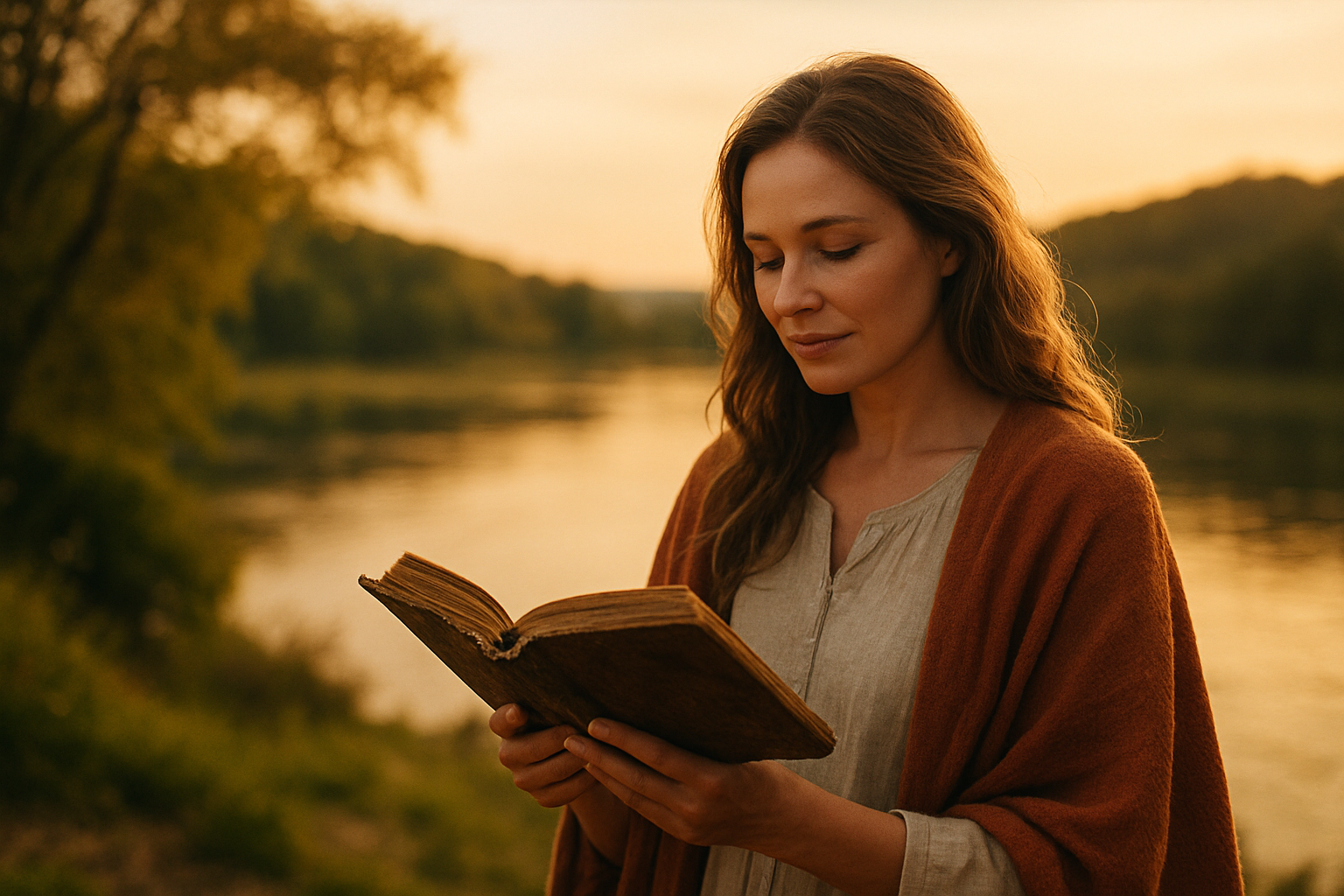
Why are flood legends found across so many cultures?
Walk into a remote village and you will often hear the same refrain: a flood, a boat, survivors, a fresh start. Scholars and travelers have collected hundreds of these narratives. That recurrence raises a plain question: why would so many different peoples carry similar memories?
A straightforward answer is that oral memory, when anchored in a major world event, spreads and adapts while keeping core elements. Stories travel with people through migration and trade; they are retold and reframed, but the central plot—destruction followed by deliverance—remains. Storytellers age, tribes assimilate, and legends can die when no one is left to sing them, which is why some researchers raced to record fading traditions at odd hours and under difficult conditions.
"For forty days the flood kept coming on the earth, and as the waters increased they lifted the ark high above the earth." — Genesis 7:17
That verse sits against a near-universal sense among ancient peoples that watery judgment reshaped the world. In some places, memory was encoded into artifacts: inscribed bones, carved ideograms, or motifs that suggest a concern for a "big boat" or a consuming deluge. These traces show how communities preserved traumatic memory in song, script, and ritual.
Behind the Words: Oral cultures preserve identity through shared stories; flood legends persisted because they answered existential questions about why things changed.
The Heart of It: Memory survives when it is told and retold in community; communal retelling keeps memory alive and meaningful.
Try This: Teach a child a family story not merely as fact but as explanation—why that story shaped who you are.
Teaching Moment 1
Behind the Words: The account in Genesis 7 was written within an ancient Near Eastern world that expected cycles of destruction and renewal. Flood stories were a common genre, but the Hebrew account frames the event with moral purpose and covenant.
The Heart of It: God’s judgment and mercy are not isolated doctrines but the narrative lens through which history is interpreted.
Try This: Imagine an elder by lamplight telling a flood story and asking, "What does mercy look like when everything is lost?" Hold that question when you read ancient pages.
A common misunderstanding is to assume similarity always means borrowing. Shared motifs can instead point to shared traumatic memories that found different voices and metaphors. When we meet a legend in another tongue, we meet a stamped piece of human experience—a place where gospel witness can land on familiar ground.
How travel and listening shape faith and witness
Travel dislodges assumptions. We may think proof looks like museum cases and charts, but faith often grows when you sit on a mud floor and hear an elder sing a creation and flood tale in the community's language. Encounters like that become theological laboratories: they force us to translate beliefs into stories that make sense within another cultural grammar.
Listening begins with humility. You will not win trust by arriving as an audiovisual expert and leaving people as illustrations. Bring questions and the willingness to be changed. Technical skills—filming, lighting, cataloging—matter, but more important are conversations with translators and elders that reveal how communities frame the past.
Behind the Words: When we listen, we learn the metaphors people use to understand God and the world; those metaphors become bridges rather than battlegrounds.
The Heart of It: Witness is shaped by listening before speaking.
Try This: Ask one deep question before offering an explanation: "How do you tell the story of why the world is the way it is?" Let their answer guide your words.
Scripture models the recovery of identity after disaster. "These are the families of the nations, according to their clans, in their lands, every one with his own language, by their families, in their nations." — Genesis 10:32
Behind the Words: Ancient genealogies and origin stories helped communities answer who they were after catastrophe; they tied people to place and purpose.
The Heart of It: Identity after loss is rebuilt through story—who we say we are determines where we go next.
Try This: In a small church that remembers a flood, begin not with doctrine but with the question, "Who do you say we are now that we have been through this?" Let the answers shape how you share the gospel.
Travel also sharpens apologetics. Evidence is not only rocks and charts; oral motifs—carved bones, songs about roosters calling back the sun, village metaphors—provide context for faith claims. These signposts do not replace Scripture but show how communities once anchored reality in events that echo the biblical account.
Honest listening exposes hard truths too. Some pastoral problems are widespread and demand attention: addiction, abuse, or moral failure. Listening must lead to grace-filled accountability, where storytelling includes testimony of repentance and recovery. The trust cultivated by listening becomes the soil where healing narratives can grow.
When stories become living bridges
Stories are not inert relics; they are living bridges connecting the ancient page to the daily hearth. When a Chinese singer described roosters called to bring back the sun after a cold season, the image was odd and vivid—and it showed how a people explain cosmic restoration with the tools at hand. That metaphor opens a door for gospel conversation: if people think restoration looks like a rooster’s call, we can talk about how Jesus calls light into darkness.
Documenting local narratives matters. Responsible storytelling takes time, craft, and discomfort. Some who funded trips did so by pairing practical projects with filming—small videos for nursing homes or community events that made the work sustainable. These behind-the-scenes details remind us that faithful storytelling is both art and stewardship.
Behind the Words: Story, song, film, and testimony are tools; they carry doctrinal truth when used with integrity and pastoral care.
The Heart of It: Creative ministry honors both truth and form—the gospel can be expressed in many media without losing content.
Try This: Imagine a short film that pairs an elder’s flood narrative with a child reading Genesis. The contrast can produce wonder and open a chance to explain the gospel in familiar language.
We must be caretakers of testimony. Ordinary people telling how they found forgiveness mirror the arc of flood stories: brokenness, judgment, rescue, restoration. Preserving testimonies builds a living archive that shapes future faith.
There is urgency. In some field reports, only a handful of people still carried creation and flood songs. Oral traditions vanish when communities fragment, languages fade, or youth migrate. Recording these stories is not merely academic: it is evangelism by preservation.
So act: travel when you can. Listen whenever you meet someone with a story. Invest in training storytellers who can translate biblical truth into local metaphors. Share your own testimony—simple, honest, and local.
We stand between two needs: honor the past faithfully and speak into living culture bravely. Flood legends are not stray myths to be dismissed; they are signposts of human experience that point to questions only God can answer. When we travel with humility and listen with pastoral care, those signposts become bridges for the gospel.
You have a role in this work. Learn a story, record a testimony, teach a child why your family remembers certain events. Bring compassion to those struggling in secret. Walk toward the stories, make room for them around your table, let them do the heavy lifting of connection, and then bring the good news that answers the deepest question they ask: who saves us when the world seems undone?
Key Takeaways
- Stories of the flood can strengthen faith.
- Understanding different cultures enriches Christian witness.
- Documenting legends preserves cultural heritage.
- Faith should be shared courageously.
- Creative approaches in ministry can address addiction and challenges.
Notable Quotes
"This Guy Is EPIC!"
"One guy traveling the world to document 300 stories plus was not going to happen."
"You'd expect to find stories all around the world if there was a real event, a global flood."
Related Articles
- Does the Flood Explain the World's Stories and Stones?
Explore how flood legends, Grand Canyon geology, and fossils provide a coherent witness to the biblical Flood when we begin with Scripture and listen carefully.