Why Pray for Israel’s Elections and Leadership
Why pray for Israel’s elections? Because political outcomes carry spiritual weight. Learn how biblical kingship, prayer, and prophetic influence shape what’s next.
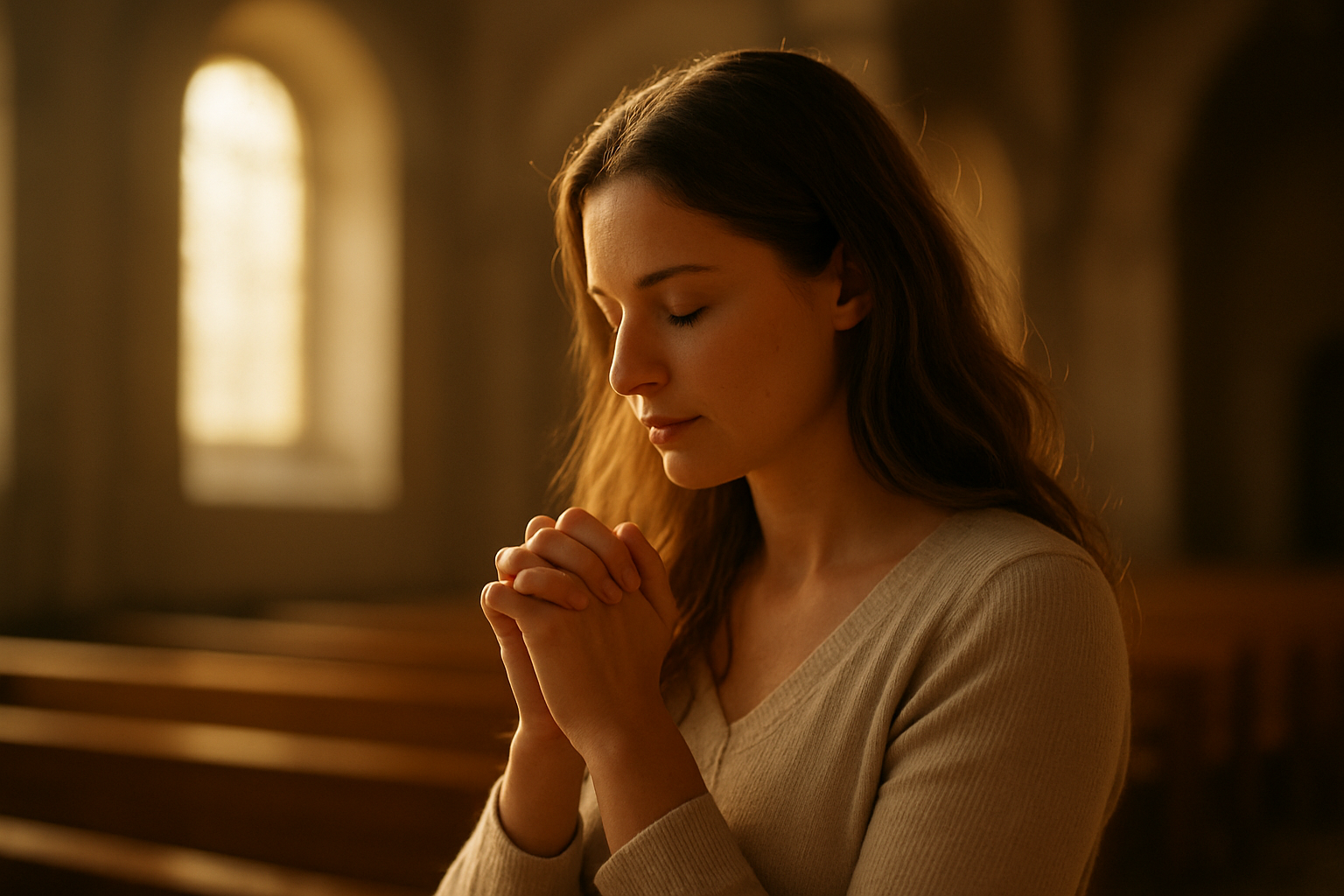
Why pray for Israel's elections?
Elections are noisy by nature. They sparkle with data points, headlines, polls—and sometimes a late, jaw-dropping correction at 4 a.m. that changes seats and expectations. When that happens, we're tempted to treat politics as mere mechanics. But Scripture tells us otherwise: governing realities are tied to spiritual realities, and leaders matter to God and to us.
"I exhort therefore, that, first of all, supplications, prayers, intercessions, and giving of thanks, be made for all men; For kings, and for all that are in authority..." — 1 Timothy 2:1-2
The Heart of It: Prayer for leaders is not optional; it is commanded and strategic.
Behind the Words: Paul writes into a church embedded in the Roman empire, urging believers to pray for authorities who shape public peace and the conditions for the gospel.
Try This: Pray not as partisans but as people who want public order that allows the gospel to spread.
We must let two facts settle in our hearts. First: the political structures of a nation create space for gospel flourishing or make it harder. Second: God is not detached from those structures—He sovereignly moves kings' hearts like "water courses in the hand of the Lord," able to tilt outcomes in ways we cannot engineer.
Teaching Moment 1
Behind the Words: Mark 15 narrates Jesus' crucifixion in the crucible of imperial politics. The Roman governor asks a blunt political question—"Are you the king of the Jews?"—and the title appears repeatedly as both mockery and accusation. This is not mere theology; it's politics and power intersecting at the cross.
"And the superscription of his accusation was written over, THE KING OF THE JEWS." — Mark 15:26
The Heart of It: The cross is not only about forgiveness of sins; it is also about kingship and who will rule.
Try This: Imagine a city square on a tense election night—people arguing about who should hold office, signs flapping in the rain. Picture the cross above that square with the sign still visible. Ask God to help you see how spiritual authority and earthly leadership connect. Let that vision change how you pray for candidates and coalitions.
One hard saying from the teaching is blunt and uncomfortable: the spiritual contest often centers on who will rule. We are not accusing individuals of being vessels of evil, but we cannot deny that spiritual conflict overlays political competition when a nation tied to biblical promise is in view. So we pray, we discern, and we refuse fear—but we do not ignore the spiritual dimension.
Israel's elections are not merely local trivia for the global church. They touch a story that runs like a seam through Scripture: God working through a people and a place toward a promised reign. Because of that, our prayers should be thoughtful, persistent, and shaped by biblical priorities.
What Scripture teaches about Israel's leadership and its history
If you thumb through the Bible, you find the theme of kingship emerging again and again. From judges to Saul, from David to the prophets, the narrative wrestles with who will occupy the seat of authority. That history is not background color; it is the drama that helps us understand why a tiny nation can attract such global spiritual attention.
"Yet have I set my king upon my holy hill of Zion." — Psalm 2:6
The Heart of It: God assigns significance to certain places and offices; Jerusalem and the leadership over Israel have recurring theological weight.
Behind the Words: Psalm 2 speaks against nations raging, reminding the reader that God still sets a king on Zion—meaning earthly authority and divine purpose intersect.
Try This: When you pray, include both specific leaders and the larger covenantal story over Jerusalem.
The Bible records the messy succession of kings: Saul, a tragic and carnal figure; David, anointed yet flawed; and then the prophetic anticipation of a holy king greater than either. We cannot skip stages. As the teaching says, "You can't skip stages; you can't start with David. You have to start with Abraham." That is not nostalgia for dynasties. It is a recognition that God's plan unfolds in steps, often through messy human seasons that prepare a place or an office for the fullness of what God intends.
In practice that means we hold paradox. We can recognize that an unrepentant ruler may sit in a sanctified seat of governance—because the position itself matters to God's unfolding plan. David learned to respect the throne even when Saul, morally bankrupt, occupied it; David's posture was not passive loyalty but a refined posture of waiting, praying, and stewarding influence. This is not political quietism. It is spiritual realism that teaches the church to pray for leaders even when they displease us.
A recent detail illustrates how human and spiritual dynamics mingle: the night after the vote there was a puzzling swing—several seats shifted in the count in the small hours, a change at 4 a.m. that left many asking what had happened. That reminds us elections are human events with human errors—and human events are also arenas of spiritual contest.
The prophetic vocation in Israel's history was to bring moral light to the kings. Prophets prayed, anointed, rebuked, and foretold; they were a spiritual counterweight to raw political force. Today the equivalent is prayer houses, congregations, and prophetic communities who pray for leaders and call them to higher ways. We are part of that continuity when we pray for Israel's leadership in humility and resolve.
How should believers pray and engage now?
If prayer matters, how do we pray without turning into partisans or fearful bystanders? Anchor prayer in biblical categories, then move to practical communal actions. Prayer must be directional—guided by God's purposes, not by our partisan appetite.
(Paul's instruction in 1 Timothy 2:1-2 calls believers to intercede for rulers so the gospel can be proclaimed.)
The Heart of It: Pray strategically: name positions and purposes, not just personalities.
Behind the Words: Paul wants orderly societies where the gospel can be proclaimed; praying for rulers is a means to that end, not a political endorsement.
Try This: Turn a sermon into a prayer list that names the office and asks for wisdom, justice, and the protection of vulnerable people.
Start with posture. We pray because God invites us into His governance work, not because we trust politicians more than God. Include thanksgiving for stability where it exists. Intercede for leaders' wisdom, for the vulnerable affected by policies, and for the rule of law that allows mercy to flow.
Use prophetic imagination, but ground it. A striking metaphor helps: a magnet under a table with iron filings on top. Spiritual forces operate beneath visible politics and move the pieces above. Our prayers are not vain; they are magnetic, shifting the visible iron by a spiritual pull we cannot replicate by polling alone.
Practical ways to pray and act together:
- Pray publicly and privately for the formation of governments so leaders may govern with justice.
- Fast and intercede when a crucial coalition is forming, asking God to tilt hearts toward righteousness.
- Support prophetic ministry that calls leaders to repentance and to kingdom values.
A vivid application: imagine a small prayer room with a map on the wall and a late-night roster of names. You and a handful of others gather by candlelight. Outside, the nation tweets and spins; inside, you kneel and ask God to "tilt" the hearts of decision-makers toward life and mercy. You do not need to be a political analyst to be spiritually effective—faithful, disciplined intercession is weighty work.
A common misunderstanding is to believe prayer is either apolitical or wholly partisan. That false binary robs us of the prophetic calling to shape civic life through spiritual means. We are not called to choose parties over people, nor to idolize process over prayer. We are called to pray for kings and for the arc of justice they are meant to support.
Teaching Moment 2
Behind the Words: Paul wrote 1 Timothy 2 in a setting where Christians lived under rulers who could help or hinder gospel witness. His counsel is pastoral instruction for everyday intercession.
The Heart of It: Interceding for rulers expands the space for the gospel and honors God's design for ordered society.
Try This: Picture yourself in a small group the night a coalition must be sealed. You light a lamp and read a verse, then you name each office—prime minister, ministers, judges—and you pray for one practical outcome each might steward well. See the list as part of your discipleship homework, not a political dossier.
A final synthesis: elections matter because they are moments when spiritual dynamics and human decisions lock together. The unpredictability of late-night swings makes prayer urgent, not optional. We take the spiritual contest seriously without hysteria.
Pray with clarity and courage. Pray for coalition formation and the moral direction of policies. Pray because Scripture asks it of us, and because the story of the world—its healing and order—flows through corridors of power as surely as through the pews.
This week: gather a few friends. Name the offices that influence your part of the world and pray Scripture over them. Refuse the temptation to be merely entertained by late-night political swings; instead, let those surprises drive you back to your knees. Be a people who pray for leaders, who call leaders to repentance, and who hold the tension between prophetic critique and faithful intercession.
When the church does that, we act like the prophetic community of old—anointed, vocal, and holy in our influence. We are not the only actors on the stage, but we are charged with bringing heaven's values into the public square.
A quiet encouragement: God's story unfolds in stages, in stubbornly patient steps that sometimes include messy human failures. God uses that very mess to shape a place for the kingdom to land. So keep praying, keep discerning, and keep inviting God's will to be done—on earth as in heaven.
Key Takeaways
- Believers are called to pray for their governments, especially in pivotal moments like elections.
- Understanding the spiritual implications of political leadership is crucial.
- Unity among believers is vital for effective prayer and influence.
- Historical context enhances the understanding of present political struggles.
- Prayer and prophetic advocacy can profoundly shape political landscapes.
Notable Quotes
"It's very important to pray for the political, government, electoral situation in Israel."
"The cross is the center of our universe."
"You can't skip stages; you can't start with David. You have to start with Abraham."