Why Israel Shapes Our Faith Today
A pilgrimage to Israel turns Scripture from ideas into responsibility—preserving truth, lamenting with the wounded, and pursuing reconciliation between Christians and Jewish neighbors.
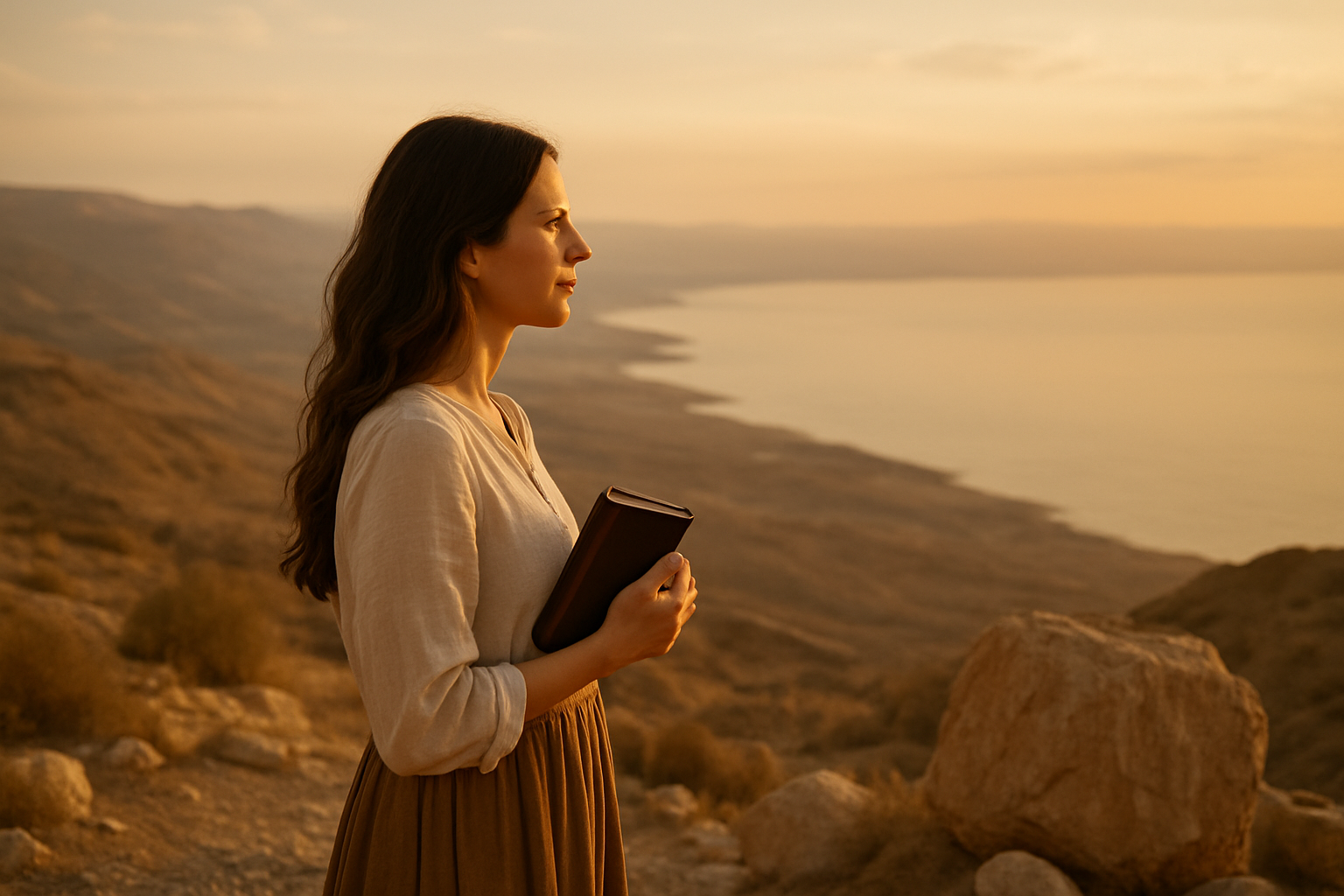
Why Visiting Israel Deepens Our Faith
A pilgrim’s first surprise is how ordinary much of the landscape feels. Ordinary is honest; it makes the gospel doable. When you stand on the shore where Jesus preached, the hills and wind become a sermon amplifier—he spoke from the shore because the topography made his voice carry. That’s not just tourism. It’s theology in space.
Behind the Words: When the gospel was first proclaimed, it entered markets, synagogues, and homes—not lecture halls. Seeing these settings helps us imagine the original listeners and the urgency of the message.
Try This: Let Scripture’s geography inform your reading—picture the speaker, the crowd, the path people took home.
A memorable scene: the Sea of Galilee still frames the same panorama—fishermen’s boats, reed beds, and hills that would have carried a voice. You can almost hear the rhythm of the beatitudes. Consider Matthew’s opening of the Sermon on the Mount: “Blessed are the poor in spirit, for theirs is the kingdom of heaven” (Matthew 5:3). Seeing the place makes these words less abstract; they land as promises spoken to people living precarious, listening lives.
Behind the Words: Matthew wrote the Sermon on the Mount to Jewish and Gentile followers grappling with how Jesus fulfilled and deepened Mosaic teaching. The setting—a hillside by the lake—meant crowds could gather, hear, and carry the message home through trade routes.
The Heart of It: The gospel is not merely correct theology but contagious, public goodness that reorders communities.
Try This: Picture yourself on that shore after a difficult conversation—what would a beatitude look like in your neighborhood? Speak one small blessing this week to someone who would least expect it.
A hard honesty from the trip: “this is a war of good versus evil.” That line stings. It calls us away from vague platitudes into spiritual clarity—evil is real, grieving is real, and prayerful action matters.
Two quick phrases from witnesses on the ground—“they were at a music festival” and “the Dead Sea Scrolls were found”—carry full stories of loss and discovery. They remind us that faith meets both sorrow and evidence.
What the Dead Sea Scrolls Teach About God's Faithfulness
Standing before the Shrine of the Book—built like a vault of careful protection—feels oddly appropriate. The museum’s care is itself a sermon: God’s words survive in unlikely places because people risked preservation. The Dead Sea Scrolls were found tucked away in caves of Qumran, in ceramic jars. That detail matters: someone intentionally hid these texts to protect them through crisis.
Behind the Words: The Dead Sea Scrolls are a collection of Jewish writings from the Second Temple period. They include biblical manuscripts and sectarian works that show how Scripture was read and treasured before and around Jesus’ lifetime.
The Heart of It: God’s promises persist through fragile human hands.
Try This: Treat Scripture’s continuity as a reason to read historically—notice how Jesus and the apostles quote and assume those texts. Imagine a scroll hidden away—what parts of your spiritual life need careful preservation? Set aside one practice this week (prayer, Scripture reading, Sabbath) and guard it like a jar of fragile truth.
The original audience of many of these writings lived under empire, expectation, and threat. Recognizing that helps us understand the Bible not as a museum piece but as living counsel in crisis.
"For this reason I, Paul, a prisoner for Christ Jesus on behalf of you Gentiles—" — Ephesians 3:1
Behind the Words: Paul wrote Ephesians while imprisoned, addressing a church navigating identity—Jew and Gentile together—in a hostile world. He explains that God’s plan to unite diverse peoples was revealed through Christ. Quoting Paul in that context reminds us that preservation of truth and proclamation of unity often arise from places of vulnerability.
A common misunderstanding is to expect archaeology to either prove or disprove faith perfectly. Instead, artifacts like the Dead Sea Scrolls invite humility; they enrich reading but never replace the Spirit’s work of conviction.
A vivid scene from the journey: at Shuva junction, where a field triage center formed amid burned-out cars after violence, you see both human fragility and the resolve to care. That memory keeps our theology from abstraction—words meet wounded people.
Walking Where the Stories Became Flesh
When history, grief, and worship collide you’re left with a calling: faithful presence. Visiting Israel is not an escape from modern complexity; it’s immersion into it. We returned from sites and conversations reminded that living faith looks like lament, repair, and persistent prayer.
Behind the Words: Many Christian traditions have long pilgrimage practices—travel meant to form the soul by connecting it to sacred memory and communal repentance.
Try This: Bring what you saw into your body of believers—share a memory, lead a prayer, or host a study on historical context.
One of the trip’s most compelling moments was a visit to the Knesset where prayers of repentance were offered for replacement theology. That scene—leaders and pastors kneeling in acknowledgment—modeled humility and a desire for healing across deep divides.
Behind the Words: Public prayers of repentance recall biblical prophets who called leaders to account and invited national restoration. The Knesset visit echoed that prophetic voice, asking communities to repent for narratives that harmed others.
The Heart of It: Repentance opens space for reconciliation; honesty about the past clears the path for a shared future.
Try This: Picture someone you’ve long written off because of history or hurt. Instead of arguing, ask one genuine question about their experience and simply listen.
There’s a temptation to reduce these encounters to proof-texts. Don’t. The point isn’t to collect evidence like trophies; it’s to let the place and the people reconfigure how we pray and how we act. If the Dead Sea Scrolls show careful preservation and the Shuva junction shows human cost, then our response must blend scholarship with compassion.
A candid line heard on the trip—“the media totally is misrepresenting”—challenges us, too. We are called to be better witnesses: to tell fuller truths, balance critique with charity, and refuse the easy comfort of binary thinking.
We return from such a pilgrimage not with answers to every political question, but with a renewed pastoral imagination. Walking where Scripture’s stories first took shape sharpens our hearing and softens our hands. We are summoned to carry both memory and mercy: to preserve truth like fragile jars, to stand with the wounded at junctions, and to pray—together—for unity that honors both covenant and conscience.
If you can, go. If you cannot, invite the places you learned about into your church—show the maps, tell the stories, lead the lament. Let history be a school for holiness, and let our shared journeys point people toward a God who keeps promises and calls us to courageous, loving action.
Key Takeaways
- Understanding the cultural and historical significance of Israel enhances faith.
- There is a need for unity among believers across denominational lines.
- Prayers of repentance can foster healing between denominations.
- Encouragement to visit Israel as part of a faith journey.
- Recognizing the importance of biblical narratives in shaping modern perspectives.
Notable Quotes
"This is a war of good versus evil."
"God is doing these real things because He's true to His own patterns."