When War Feels Spiritual: How We Respond in Faith
When conflict feels spiritual, our response must be communal: gather, pray, and practice discernment so faith shapes how we see and act.
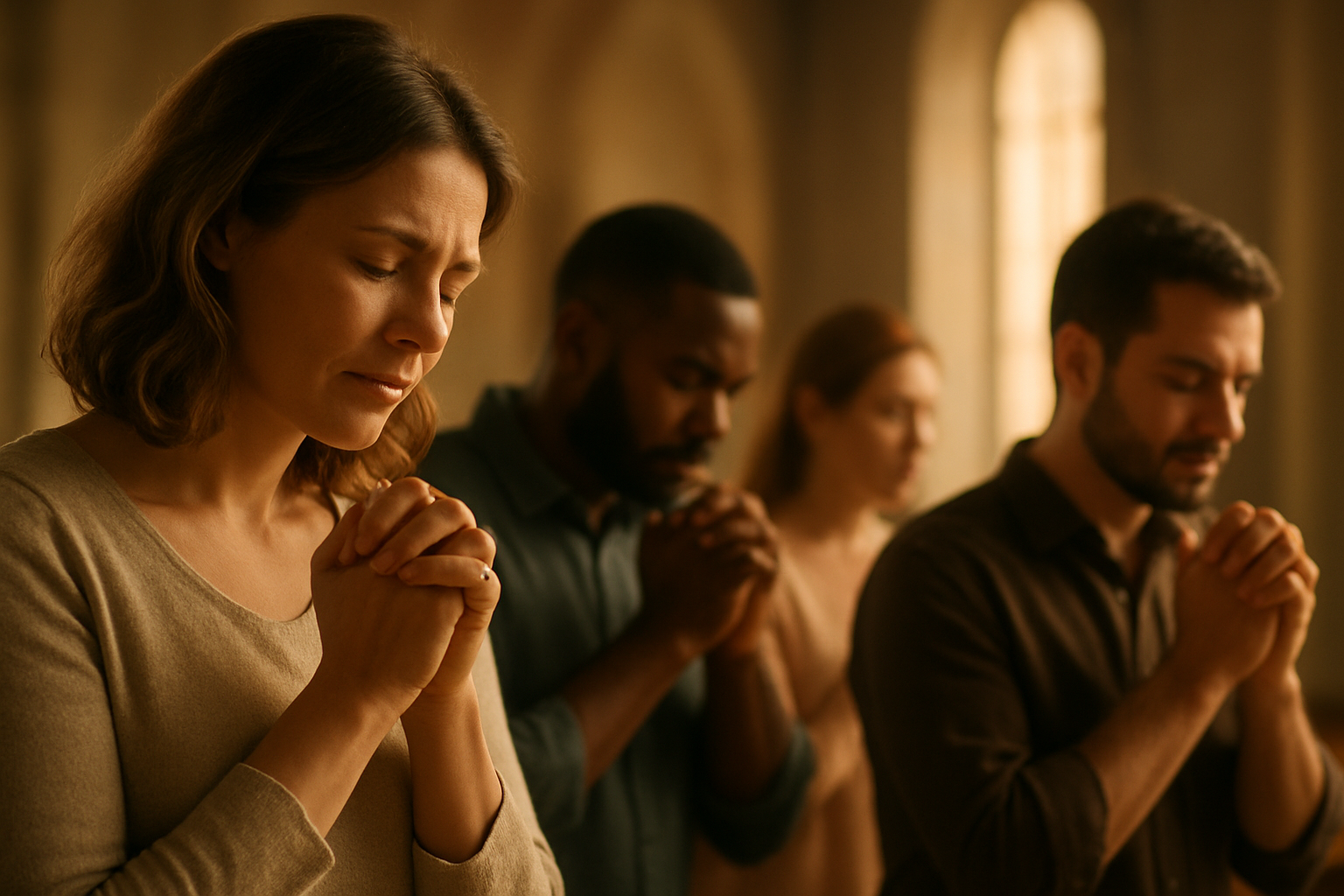
Why conflict in Israel is also a spiritual reality
We cannot divorce the history of Israel from its spiritual narrative. Genesis 12 begins a covenant story that carries theological weight across millennia; warfare narratives in Scripture often remind us that God sometimes acts in history to protect a people and to move his purposes forward.
"Go from your country, your people and your father's household to the land I will show you." — Genesis 12:1
Behind the Words: Abraham’s call in Genesis 12 launched a people into a promise that was both political and redemptive. In its original setting it meant leaving known security to trust God’s promise that the nations would be blessed through Abraham’s seed.
The Heart of It: The promise to Israel points us to God's long game of redemption—history is never merely geopolitical for him.
Try This: Picture yourself standing in a crowded sanctuary as the news plays on a screen in the corner—pray for leaders as though the story of redemption depends on them, because in God's economy it does.
Recognize that some conflicts reveal deeper spiritual fractures; understanding that helps us pray without despair. Pray for immediate, tangible needs (the injured and displaced) while also praying for hearts to turn toward reconciliation.
The reality of modern warfare can feel like a rerun of ancient text. The Joshua 10 account—where a contest of armies becomes a day God answers prayer—illustrates that God has, at times, intervened in history in dramatic ways.
"The sun stopped in the middle of the sky and delayed going down about a full day." — Joshua 10:13
That story, heard by its original audience as a miracle of divine deliverance, reminds us that God is not a passive observer. We do not cheer violence, but we must acknowledge the spiritual dimension without ignoring human suffering. Details that point to preparation—like reports of extensive tunneling and military planning—intensify the urgency with which we bring these matters to God. Even amid urgency, the harder call remains: we all need Jesus. Those words cut across political allegiances and call us to hold evangelistic compassion alongside our political convictions.
How to discern truth in an age of fast headlines and manipulated images
The first casualty of fear is often truth. In a moment where AI-generated images and fast headlines push impressions before facts, our spiritual task is to practice discernment like a muscle we exercise daily.
The Heart of It: Discerning truth requires both prayer and practices; without both we become manipulable.
Behind the Words: If we accept narratives uncritically, we hand control of our conscience to journalists, pundits, and viral posts. Wisdom literature urges testing of words and motives (see Proverbs), and the early church instructed believers to "test the spirits" (1 John 4) because falsehoods can masquerade as truth.
Practical habits help. Check primary sources: treaty texts, statements from local aid organizations, historical documents. Watch for emotional manipulation—headlines designed to provoke outrage more than clarity. Pause before you share; a short prayer for truth followed by ten minutes of verification often prevents the spread of error.
Try This: When a dramatic claim arises—pause. Pray a short petition for truth, then verify who said it, what primary evidence exists, who else reports it, and what motives might be at play.
At a neighborhood level, invite your small group to become a fact-checking lab. Share sources rather than opinions. Teach young people how images can be manipulated. This is discipleship: forming habits of careful engagement, not reflexive outrage.
Personal, conversational testimony—words that sound like a friend at the kitchen table—guards us against living only in the stream of sensational news. Those human stories help tether our emotions to bodies and names rather than headlines.
The return to the sanctuary: why gathering matters
When churches and concerts paused, a hunger emerged. Communal worship formed us in ways that streaming could not fully replace. The revival of Christian events post-COVID shows that people are searching for embodied faith.
The Heart of It: We were made for togetherness; worship is apprenticeship in the presence of God and one another.
Behind the Words: The Acts church met together, shared resources, and grew through communal practices, not solitary streaming. Corporate worship in the New Testament context involved prayer, teaching, remembrance (the Lord’s Supper), and mutual care—meeting was how faith was transmitted.
When we gather, the body sees spiritual maturity modeled; the lonely get tangible help. Events that bring different communities together—Jewish and evangelical Christians praying across divides, for example—can become rehearsals for reconciliation. Participants often describe such moments as "a little taste of heaven," reminding us that gatherings are training grounds for the Kingdom, not mere social events.
Try This: Next time you see a concert or church event advertised, ask: who will I meet there? How can I serve? Picture standing beside someone whose family was displaced and offering your hand.
We must also resist sentimentalizing gathering. "There's nothing like coming home to your church" should not become an excuse for cliquishness or avoidance of difficult conversation. True community invites the outsider and prays for enemies.
A practical vignette: imagine a nurse from one town treating a child from across a line of conflict. She thanks God for the chance to serve, and the parents, surprised, offer gratitude. That small corridor of care redraws enemy lines in human terms. It’s ministry, witness, and the kind of action that makes public prayers more than words.
We sit between headlines and hymns, between geopolitics and gospel. Our call is neither to retreat into comfort nor to weaponize faith for partisan ends. Instead, we gather, we pray, and we test the stories that press upon us.
This week: come together in worship if you can, practice discernment before you repost, and pray for real people caught in conflict. Let the sharper truth—"we all need Jesus"—shape both our outrage and our compassion, our research and our intercession. May our faith be faithful in how it seeks truth, shows mercy, and expects God to act.
Key Takeaways
- The importance of gathering as a community of believers.
- Engagement in prayer for current events.
- The need for discernment in consuming news and information.
- Recognition of the spiritual nature of current conflicts.
- Encouragement to appreciate and participate in revival Christian events.
Notable Quotes
"We need to look at even the current events, even from a biblical view."
"God's not foreign through the lens of the word of God."
"We all need Jesus."