When the House Makes You Sick
Hidden dangers like toxic mold and cultural pressure on body image can erode family health. Learn how to test your home, care for your body, and lead your family well.
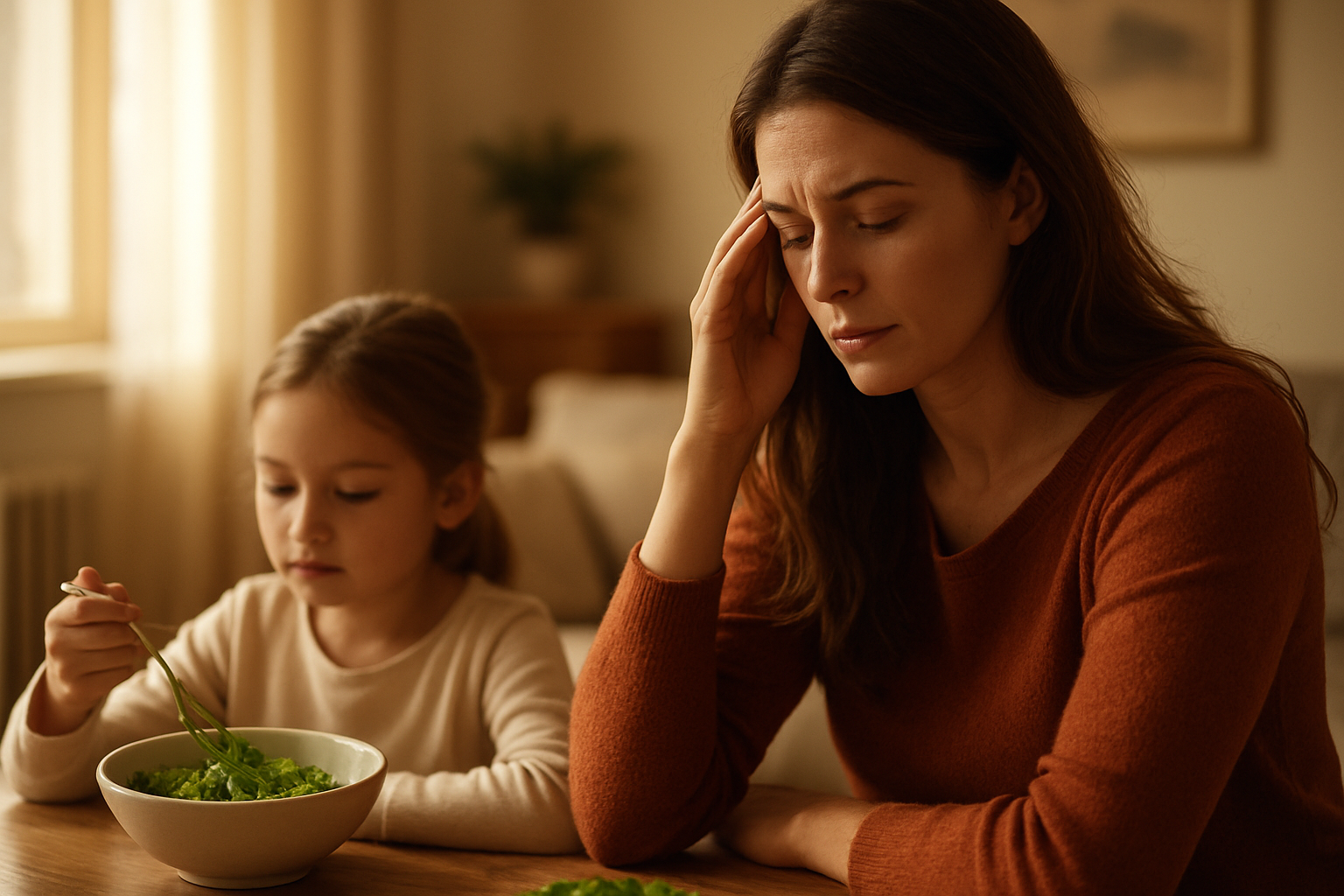
Why clarity about weight and health matters
Our culture often confuses numbers with well-being. The start of every year brings rushes of ads, gym deals, and quick-fix promises that assume slimmer equals healthier. But our bodies are more complicated than a scale’s needle.
Body shame persuades many of us to measure identity by weight. We feel pressured to chase an image, not a robust, sustainable state of health. That pressure rarely motivates long-term change; it breeds shame, secrecy, and yo-yo cycles that harm both physical and mental health.
The Heart of It: Health is not a number; it is a story of daily choices, faithful rhythms, and community care.
This matters because when we fixate on numbers, we miss the deeper gospel of transformation that includes rest, healing, and realistic nourishment.
- Begin by asking: Which daily habits are life-giving? Which are fear-driven? Replace one fear-driven habit with a small, repeatable life-giving habit this week.
Consider someone who follows an "80-20" approach—eating clean most of the time but leaving room for joy. That balance recognizes both discipline and grace. Resist both legalism (if I’m not perfect I’ve failed) and neglect (if I can’t be perfect I won’t try at all).
Teachings about the body in Scripture are not weight-loss manuals but invitations to dignity. Paul writes that our bodies are temples—reminding us to honor what God has given, to care for it, and to see that self-care is part of our worship.
"Or do you not know that your body is a temple of the Holy Spirit within you..." — 1 Corinthians 6:19
Behind the Words: Paul wrote to a first-century church surrounded by idol worship and bodily immorality. He urged believers to see their physical lives as tied to spiritual reality, not as disposable containers.
The Heart of It: Caring for our bodies honors the Spirit and sustains our calling; it’s not about vanity but stewardship.
Try This: Imagine a Wednesday evening at your kitchen table. The kids are doing homework. Instead of reaching automatically for the bag of chips, you pull out a bowl of sliced fruit, toss it with a sprinkle of cinnamon, and tell the family why you’re choosing it—short, honest, and communal. The scene converts a private habit into a public practice of care.
Common misunderstanding: Some equate biblical care of the body with rigid legalism or a prosperity gospel that ties discipline to worth. Both are false; the call is faithful stewardship, held in dependence on grace.
Protecting your family: practical steps for home, food, and faith
When we combine environmental vigilance with grounded nutrition, we build a web of protection around our families. Start with the basics: air, water, and food. These are not glamorous, but they are where life and illness meet.
Air: If you notice a persistent mustiness or suffer unexplained symptoms—coughing, wheezing, breathlessness, repeated nose-blowing—don’t chalk it up to seasonal allergies alone. Test indoor air quality, compare it to outdoor samples, and require remediators to check in-wall spaces. If you’re buying or selling a house, insist on a thorough environmental inspection; one family nearly bought a house only to discover unacceptable mold counts days before closing.
Water: Use point-of-use filters for drinking water and be alert to soft spots or stains near plumbing. Ongoing leaks are the most common invitation for dangerous mold growth.
Food: Healthy eating is not an escape hatch; it’s defensive posture. Diet alone won’t undo environmental exposures, but the right nutrition supports detoxification, immune resilience, and energy for wise decisions. Start with consistent protein at meals, colorful vegetables, and an emphasis on whole foods rather than processed replacements.
The Heart of It: Small, consistent practices create a household culture of health.
This matters because our daily patterns—what we breathe, drink, and eat—compound over time for good or ill.
- Choose one tangible change this month (a home test, a filtered water pitcher, a weekly meal plan) and make it non-negotiable.
There’s a pastoral rhythm to this work: prepare, pray, and act. Prayer does not replace testing, but it steadies us when results are worrying. When a diagnosis doesn't fit, or a child’s symptoms won’t resolve, persistence is not pride; it’s protection.
A vivid image from those who’ve walked this road: a life once full of energy—teaching fitness classes and climbing stairs easily—reduced to someone who couldn’t climb a single flight. After removal of contamination and intentional nutritional rebuilding, they reclaimed mobility and joy. That arc from captivity to recovery is both medical and spiritual.
Practical steps to begin this week:
- Call for an indoor air quality test if you have unexplained chronic symptoms.
- Replace or clean HVAC filters and consider an air purifier for main living spaces.
- Audit your pantry for ultraprocessed staples; swap one for a whole-food alternative.
- Create a short family ritual around meals: a moment of gratitude and a statement of one healthy choice.
How parents can lead without perfection
We want to protect our children from the world’s pressure—its advertising, its image-making, and its careless messaging about worth tied to looks. Protecting doesn’t mean isolating. It means teaching discernment, modeling compassionate habits, and making the home a safe laboratory for health.
Say no to some cultural offers, and say yes to others: the power to filter media and to speak openly about why you do it matters. But also say yes to the messy reality of family life: treats, celebrations, late nights, and forgiveness. We teach children by what we do more than what we say.
The Heart of It: Parenting for health is persistent, gracious, and communal.
This matters because our homes form the first theology our children learn—what we worship, fear, and protect.
- Share one health story each week at dinner: someone’s recovery, a new recipe, or a household fix.
Practical parenting looks like honest conversations about body image—acknowledging cultural noise—and offering a faithful, gospel-centered alternative: your worth is not marketed, it’s gifted. When environmental threats arise, lead with calm competence: phone the tester, arrange temporary housing if needed, and bring children into age-appropriate parts of the process so fear doesn’t breed secrecy.
There’s a rhythms piece: rest as a family value. Rest prevents burnout and models that worth is not productivity. When illness enters, faith gives us a posture: we weep, we act, and we keep hoping.
We live in a time when our homes may harbor hidden harms, and our culture will try to sell quick identities and faster fixes. Faith calls us to a steadier path: investigate honestly, steward our bodies, and nurture our families with wisdom and grace.
If you’re unsettled by symptoms, start where you can—test the air, check the filters, change one eating habit, and gather your people. Let the truth come to light, and let God’s compassion move through your choices. We were made to live well in creation, and that calling begins at home.
Key Takeaways
- Be proactive in assessing home environments for mold and other hazards.
- Understand the impact of societal pressures on body image and health perceptions.
- Prioritize open dialogue about health and wellness within families.
- Leverage community resources for better health solutions.
- Foster resilience against external cultural pressures through faith and education.
Notable Quotes
"It's so important to get the power back in our hands as parents so we can say no to the Hollywood hogwash."
"A lot of illnesses are constantly being misdiagnosed."
Related Articles
- When Home Makes You Sick: Mold and True Health
Hidden dangers in our homes and the lies of diet culture both steal our health. Learn how to spot toxic mold, reclaim your sanctuary, and steward your body in faith.