When the Body Speaks, Listen
Learn how faith, fitness, and daily habits connect. Practical, pastoral guidance on mental health, hydration, and honest steps toward holistic healing.
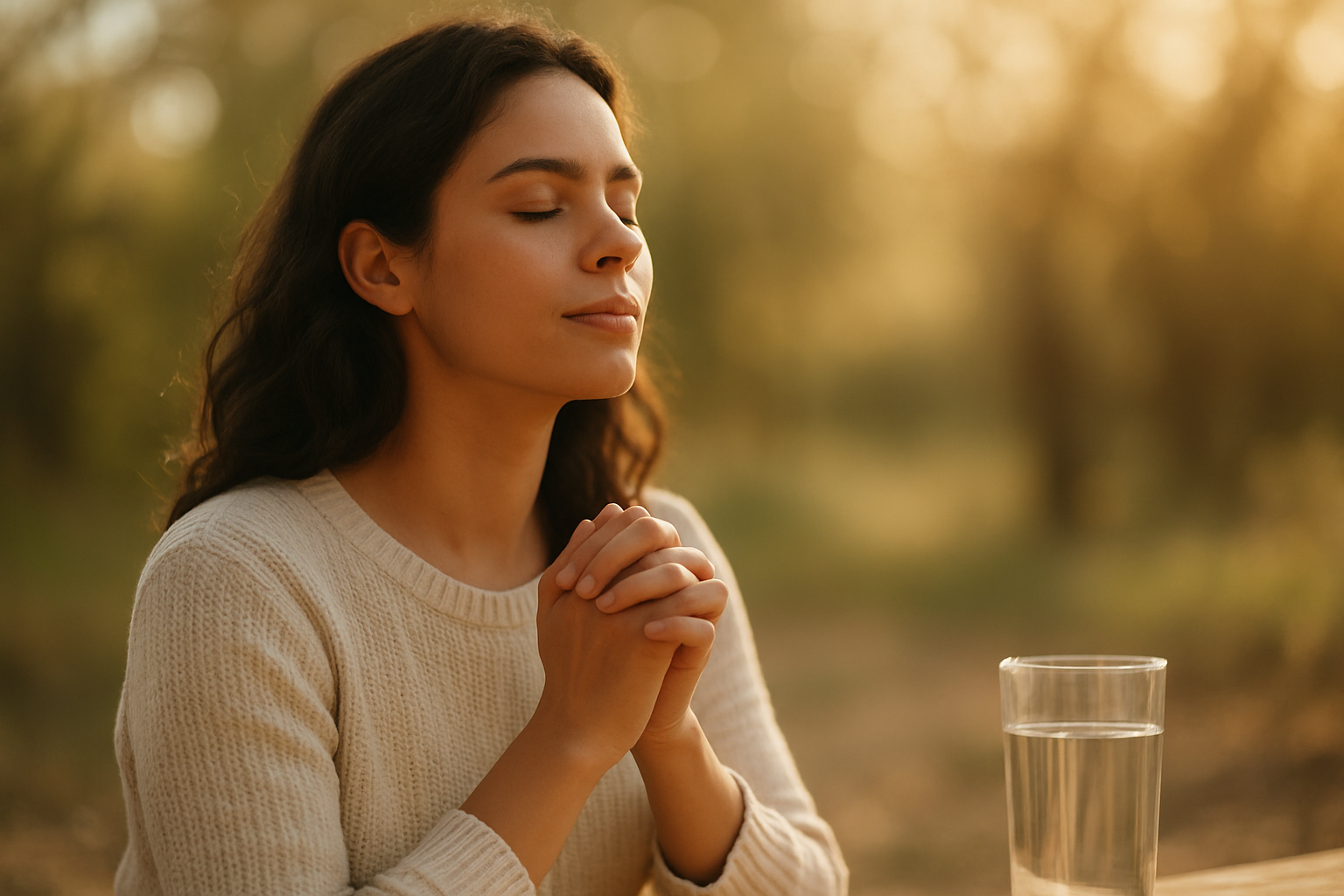
What unites faith, fitness, and healing?
There’s one thread that ties the faith we hold, the bodies we live in, and the minds that carry our stories: stewardship. Stewardship isn’t only about giving; it’s about tending well what has been entrusted to us—spirit, soul, and body.
When we say together that “spiritual, physical, and mental health all go together,” we mean it. Your workouts, the meals you choose, the conversations you refuse to bury—these are acts of worship when done with intention and humility.
So how do we practice that stewardship in everyday life? We start by listening.
When the body speaks
There’s no neat line between physical disciplines and spiritual formation. The body is not merely scaffolding for the soul; it sometimes carries the very sermons our hearts need to hear. I’ve heard honest stories of men who the world calls successful, and yet inside they were collapsing. One man shared that he had been “almost 400 pounds” at his worst—an exact detail that catches you off guard because it refuses to be abstract.
He said plainly, “working out, it helps transform your inside.” That short sentence holds a theology of restoration: exercise can be a means through which God restores courage, discipline, and even joy.
"Do you not know that your bodies are temples of the Holy Spirit, who is in you..." — 1 Corinthians 6:19-20
Behind the Words: Paul wrote to a church in Corinth wrestling with how Christian identity should shape everyday behavior. In a culture that separated ethics from daily life, Paul insisted that the way you live matters because the Spirit dwells within.
The Heart of It: Caring for the body is not vanity; it’s faithful stewardship of God’s dwelling place.
Try This: Picture the morning you decide to treat your body as a house, not a storage unit. Open one window—walk fifteen minutes around your block—and name that first breath a small offering. You don’t have to run a marathon; you’re starting a practice of respect.
Common Misunderstanding: Some think Scripture condemns bodily care as worldly. Paul’s point is the opposite: our bodies are the place the divine chooses to live, and honoring them honors the Giver.
There’s another hard line in many testimonies: a man once confessed, “I tried to take my own life with a bunch of alcohol and pills.” That is a hard saying. It lands like a stone and demands pastoral gentleness.
When the body is used to bury pain—through food, substances, or avoidance—the spiritual work is to name the grief and bring it into the light. Faith without action can spiritualize the hurt; action without faith can become hollow routine. The two together—prayerful discipline and honest care—begin to untangle what seems irreparable.
Why exercise matters for mental health
We sometimes expect complicated answers, but the clearest explanation is straightforward: our minds are not isolated from our bodies. Movement shifts hormones, improves sleep, and helps the brain rewire after trauma.
Clinical research shows regular activity raises endorphins and modulates cortisol, which soothes anxiety. Faith communities add another layer: movement practiced within prayer and accountability can rebuild identity after shame.
A man who rebuilt his life after military service said fitness was part therapy, part discipline: “It might start from the outside, but it transforms your inside.” That phrase names a process that begins with the visible and becomes the invisible work of the heart.
The Heart of It: Caring for your body is an essential component of mental health recovery.
This matters because trauma and depression often show up physically—fatigue, aches, appetite changes—and those signals require embodied responses.
- Start small: a ten-minute walk, a consistent bedtime, or a few bodyweight exercises three times a week.
There’s pastoral truth in the simple invitation: it’s okay to step forward, and it’s okay to say, “I’m not okay and I need help.” Those words, when spoken aloud, begin to dismantle the lie that we must suffer alone.
Imagine a living room scene: a man sits on the couch, phone buzzing with demands, but he calls a friend instead and says, “I need to talk.” He makes a plan—counseling appointment, weekly gym slot, a call to a church leader. Over months, the weight of isolation lifts.
Exercise is also a classroom for truths the mind resists. When you choose one more rep, you learn that your will is not fragile. When you show up even tired, you rebuild trust with yourself—and trust is the soil where spiritual practices grow.
Behind the Words: Philippians was written by Paul to encourage a persecuted church toward peace and unity. His words about prayer and peace address anxious communities in real suffering.
"Do not be anxious about anything, but in every situation, by prayer and petition, with thanksgiving, present your requests to God. And the peace of God... will guard your hearts and your minds in Christ Jesus." — Philippians 4:6-7
The Heart of It: Prayer, paired with honest action, opens the pathway from anxiety to guarded peace.
Try This: Picture your anxiety as a knot in a sweater you wear. Take one small action—walk, call, journal—then bring that same small thing to God in prayer. Repeat. Over time, the knot loosens.
Common Misunderstanding: Don’t assume exercise is a cure-all. It’s a powerful component of a broader plan that includes friends, counselors, and spiritual care.
Hydration, caffeine, and simple steps for a healthier rhythm
Everyday choices add up. The gym-floor metaphor is sharp: would you run your car on half the oil prescribed? That image translates body care into something practical and immediate.
Hydration matters more than most of us realize. One coach suggested a baseline of "a gallon and a half to maybe sometimes two gallons depending on what I'm doing"—a specific target many never hit. When we are dehydrated, metabolism slows, skin dulls, and the brain grows foggy. Sometimes what we call hunger is thirst.
But what about the hurried life—the late-night shifts, multiple jobs, urgent needs at home that make self-care feel selfish? The pastoral answer is both stark and loving: if we neglect care now, we put future burdens on those we love most. One blunt testimony line stands out: “When you're on your deathbed you're gonna wish that you did.” Hard as it is to hear, that line pushes us to choose long-term love over short-term comfort.
The Heart of It: Small, consistent choices in hydration and moderation of stimulants protect your future capacity to serve and love.
When you choose water over soda, or limit energy drinks, you choose stamina for tomorrow.
- Practical point: carry a refillable bottle, and commit to sipping before you snack.
Energy drinks deserve nuance. They can help in short bursts when life demands extra work—but moderation matters. For many adults, 200–400 mg of caffeine is tolerable; beyond that you risk jitteriness, sleep disruption, and hormone imbalance.
Picture this pastoral scene: a parent up late finishing a project, tempted by a second energy drink. Instead, they stand, stretch, drink a full glass of water, and step outside for five minutes. They return, reset, and work with clearer focus. This pause becomes a habit that preserves sleep and reduces stimulant reliance.
Meal prepping also shows up as a common rescue plan. When life gets busy, we default to convenience—fast food, sugary drinks, and empty calories. Preparing simple meals on a weekend afternoon changes the default setting of your week. It’s not perfection; it’s prudence.
Remember the man who found a concerning PSA and had a PET scan that isolated the cancer early. That detail reminds us that regular check-ins—blood work, screenings, and honest conversations with doctors—are not paranoid; they are faithful stewardship.
Practical steps you can start tomorrow:
- Fill a one-liter bottle and aim to finish it twice in your day.
- Replace one energy drink a week with black coffee or green tea.
- Prep two simple meals on Sunday: a protein, a vegetable, and a whole grain.
These small habits have long echoes.
We were not made to navigate recovery or healthy living alone. Faith communities exist to be places where accountability, encouragement, and tenderness come together.
So refuse the lie that fitness is mere vanity, or that spirituality excuses neglect. Practice small, steady habits, tell the truth about your suffering, and hold one another through the slow work of healing.
If you’ve ever thought, “I don’t have time,” imagine yourself at fifty with the regret of a life postponed. That regret is avoidable. Start small. Ask for help. Hydrate. Move. Pray. Tell someone: it’s okay to say, “I’m not okay and I need help.” Those are words that begin repair, and they are words of courage.
Begin today—one sip, one step, one prayer; your body and soul will thank you.
Key Takeaways
- Exercise is crucial for mental wellness as well as physical fitness.
- Open conversations about mental health can support recovery and resilience.
- Building a supportive community helps reinforce healthy habits.
- Making small changes in daily routines can lead to significant health improvements.
- It's important to address both spiritual and physical health simultaneously.
Notable Quotes
"It's okay to step forward, and it's okay to say, I'm not okay and I need help."
"Self-image, let's be real, you know, right today in our culture."
"Working out, it helps transform your inside."
Related Articles
- Healing the Hidden Wounds of the Mind
When trauma and faith collide, hope looks like honest help: name the pattern, speak Scripture, join community, and refuse to suffer in silence.
- When Faith Meets Addiction: Hope That Lasts
Faith reshapes addiction and mental health by changing identity and community. Practical, scripture-rooted steps for recovery and lasting hope.
- When Fear Shows Up: From Burnout to Boldness
When fear and burnout pressure your faith, how do we move from surviving to thriving? Practical soul-care, spiritual courage, and how the church can heal its own.