When Story Heals: Shame, Community, Belonging
Old sanctuaries and small writer circles hold the same power: stories that refuse to be buried heal shame and teach belonging. Start telling yours.
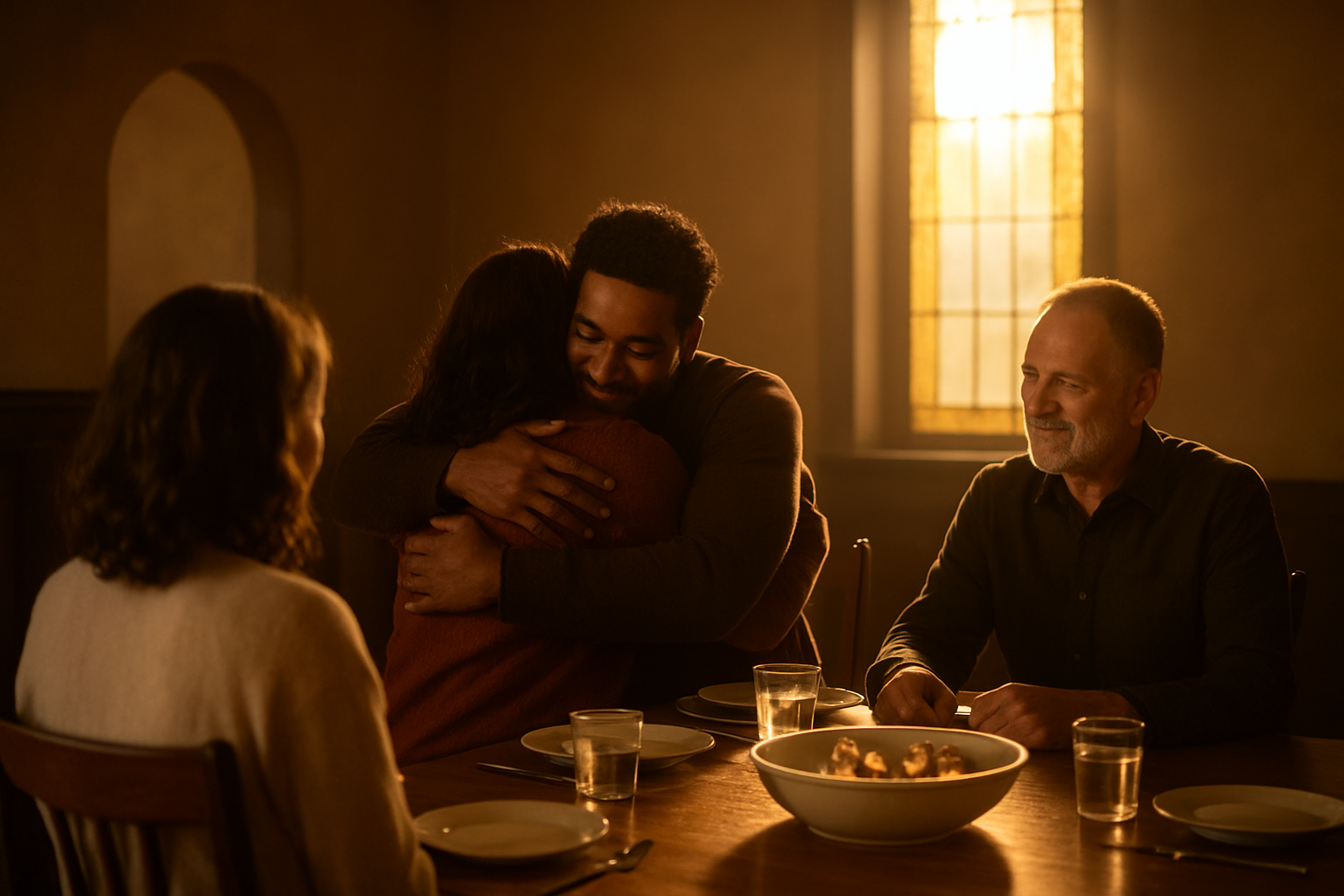
What does St. Paul's Episcopal Church teach us about faith and multicultural worship?
You don’t have to travel far to see a building that holds a thousand stories. St. Paul's Episcopal Church in Newport News is one of those sacred places—named in local memory as one of the first churches to hide people seeking freedom and later as a pioneer of multicultural worship. The detail feels cinematic: a pastor from Flow Church helping organize a reunion at the Unity Shed, a bishop joking and looking through pizza boxes while the crowd gathers. Those human beats matter; they make the history real.
That church’s witness is not only a historical footnote. It changes how we imagine worship and community now. Juneteenth celebrations held there didn’t simply mark a date on the calendar; they reclaimed a story of leadership and justice that had been carried by descendants of the enslaved and by citizens of faith who risked everything.
"The Spirit of the Lord God is upon me, because the Lord has anointed me to bring good news to the poor..." — Isaiah 61:1
Behind the Words: Isaiah 61 was spoken to Israel in exile, when hope needed re-sounding. The prophet promised a restoration that looked like liberation, comfort, and a reversal of shame.
The Heart of It: God’s good news arrives in communities that risk their safety to welcome the vulnerable.
Try This: Picture a Sunday where children from different skin tones hold hands in the aisle and the preacher names both sorrow and triumph. You see a roomful of faces—young, old, immigrant, native—sharing one hymn. The mundane scene of fellowship becomes a sacrament of reconciliation.
The Heart of It: The places that remember hard things honestly become schools of courage.
Behind the Words: Churches that name injustice and make room for differing cultures teach future generations how to resist indifference.
Try This: Attend one local memorial, listen to the elders tell what they remember, and write down two things that surprise you.
When a church publicly remembers both its failures and its faithfulness, it rewires belonging. That’s what makes St. Paul’s story useful to us now: it insists that faith is not a private comfort, but a public allegiance to justice and welcome.
When milkshakes become metaphors for belonging: writing identity into story
A children’s book that imagines identity as a milkshake may sound whimsical—but metaphors move hearts. The image of "we're all milkshake babies" invites children and adults to imagine being blended rather than forced to choose sides. For kids of mixed culture this image lowers the defenses and opens a conversation about belonging.
Books can do three things at once: teach, soothe, and subvert false narratives. For a child who wonders whether they must choose one parent’s language, food, or faith over the other, a gentle story can be the first peacemaker that says, "No. You are both."
"I praise you because I am fearfully and wonderfully made; your works are wonderful, I know that full well." — Psalm 139:14
Behind the Words: Psalm 139 is a meditation on God’s intimate knowledge of the person—formed before birth and present in every part of life.
The Heart of It: Identity begins with being seen and declared beloved by the Creator.
Try This: Picture a child on a sofa with a worn copy of a book. Outside, two languages mix on the street. The child fingers the cover and, for the first time, hears a line that affirms both her name and her story. She walks to her mother and says, "I like both sides."
The Heart of It: Metaphor heals where argument fails.
Behind the Words: Children (and adults) resist lectures about identity but will accept a story that reflects their interior life.
Try This: Read one picture book aloud to a child and ask what color their family milkshake would be.
That same metaphorical courage appears when adult writers place their wounds on the page. A chapter in Resilience describes a woman's path through a decision that caused long-term grief—an honest, raw account that then opens space for redemption. The woman’s testimony becomes a map for someone else who thought they were alone.
And make no mistake: the cost of such honesty is real. It takes bravery to say what many would hide. But the payoff is communal freedom. We hold less shame and more light. We pass on fewer curses and more clarity. We teach our children by example that stories are how we inherit both pain and promise.
Bringing it together: what you can do with the stories you carry
We are stewards of memory. That role feels weighty when we stand in a place like St. Paul's and hear the echo of people who sheltered the hunted. It feels intimate when a writer in a small group reads a confession and the room exhales. Both history and testimony teach the same lesson: we heal in community and we pass on courage by telling the truth.
So what do you do this week? Consider three small practices that connect story, faith, and repair.
Go visit a place that remembers hard things. Sit and listen. Write down two facts and one feeling that surprised you.
Share a paragraph of your story with one trusted person. Ask them to pray and to name one truth they see.
Read a children’s book aloud to a young person and ask how the character’s decisions reflect your family’s story.
The enemy’s favorite lie is that your truth is too messy to be useful. But scripture and history—Isaiah’s promise, Revelation’s testimony, the psalmist’s declaration—tell a different story. Redemption is not theoretical; it’s enacted when communities choose to remember, when writers choose to risk honesty, and when families choose to bless mixed identities.
We’re better when we carry each other’s stories. We’re braver when we speak them.
Closing invitation
There’s a seat next to you at the table where stories are told. Bring your ache. Bring your awkward metaphor. Bring your milkshake. We will listen, and we will pray, and we will help you turn that story into something that points to the One who makes all things new.
You don’t have to wait until everything is tidy to be useful. Start where you are. Start with one paragraph. Start with one conversation. God has always worked through small, faithful acts of remembrance—and He will use yours.
Key Takeaways
- The importance of sharing authentic stories for healing.
- Recognition of cultural heritage and its impact on community.
- Encouragement to foster vulnerability in writing.
- The power of supportive communities in personal growth.
- Celebrating multiculturalism in faith and storytelling.
Notable Quotes
"We all have a story. We all have something that we can share that can impact another person's life."
"We're just better together."
"How can the next generation break any curses if we don't talk about it and share about it?"