When Songs Shape Souls
Music can name the unsayable, tour life tests our presence, and social media can either amplify grace or erode it. Learn how to steward songs, families, and screens.
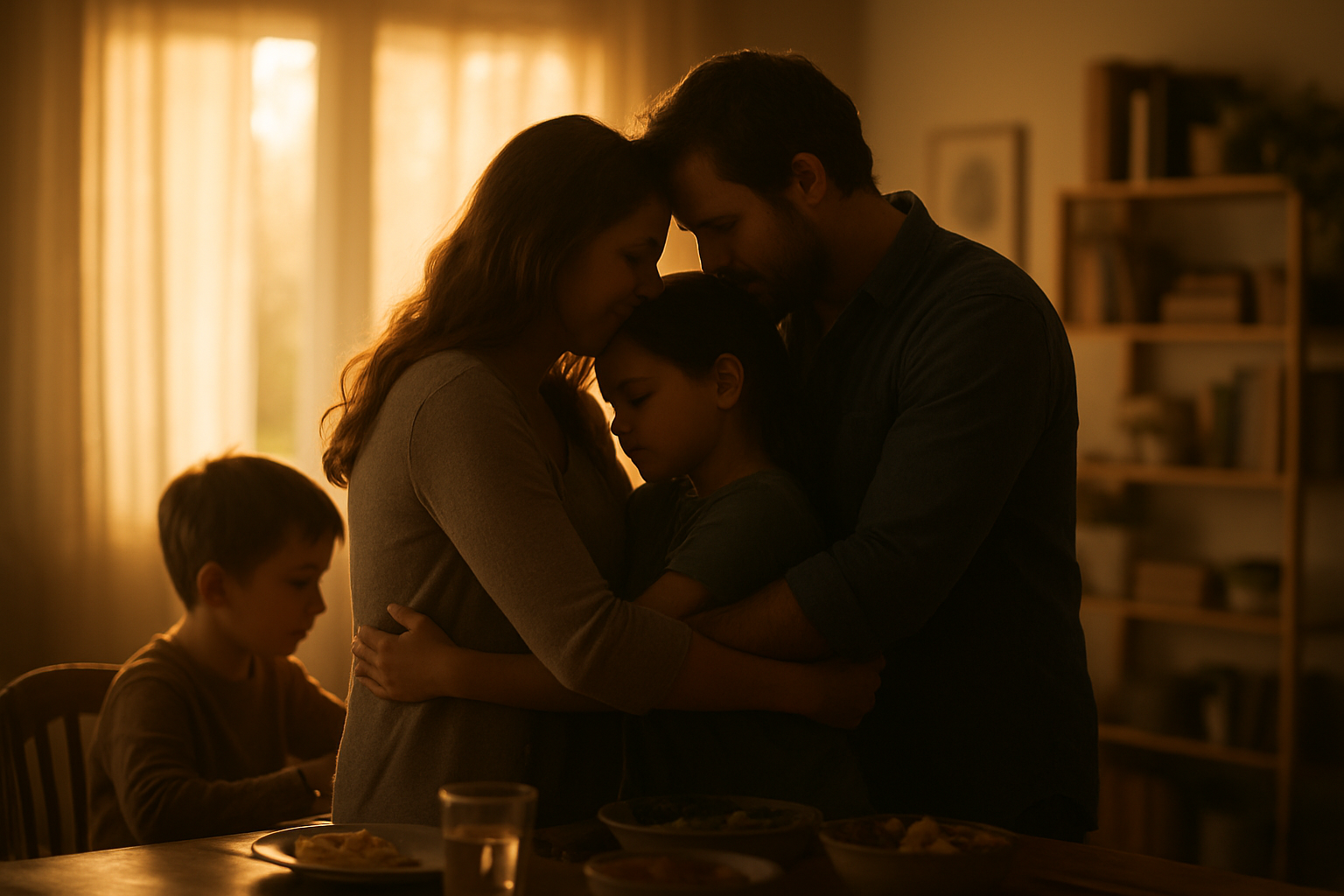
Why music, touring, and screens belong together
Music, touring, and screens form a single ecosystem for the modern believer-artist. A song is not merely art; it is ministry lived out in motel rooms and in the glow of a phone screen. Follow the arc from a songwriter’s private altar to a stadium crowd and you see how the spiritual and the practical intersect.
If we want art that shapes souls, we must care for the people who create it and learn how to use the platforms that carry it without losing our humanity.
How does music shape our faith?
There is a holy alchemy in song. A melody can translate theology into breath and make abstract truth accessible to a tired heart.
Behind the Words: "Make a joyful noise to the Lord, all the earth; break forth into joyous song and sing praises!" — Psalm 98:4
Psalm 98 is a communal call to celebrate God’s saving work. In its original setting it gathered a people who remembered rescue and responded with music that announced God’s reign across nations.
The Heart of It: Worship through music invites the whole person—mind, memory, and muscle—into praise.
Try This: Picture an exhausted parent after a long shift, standing at the sink with a toddler tugging at their sleeve. Instead of scrolling through another playlist, they hum a simple chorus and teach the child the first note. The tune becomes a bridge: gospel truth exchanged in a mundane moment.
The Heart of the matter: music makes theology feel like a home we can live in. Ideas stick when they are sung; a familiar chorus becomes a theology you can carry into stressful days.
Songs tell truth in concrete images. They translate doctrine into memories you can hum at 2 a.m., reaching places sermons sometimes can’t. But the same music that lifts people can be misused when it becomes a brand or a product divorced from pastoral care. Resist reducing a hymn to a commodity. An artist’s calling is not just to write a hit but to help the church sing its heart.
Some artists describe the role this way: the artist is like a prophet, helping name deeper longings we can’t speak. That prophetic role is a gift—one that must be stewarded with humility.
How do artists balance tour life and family?
Touring carries romance in our imagination: bright lights, new cities, fans singing back every lyric. The daily reality, though, is a rhythm of packing, leaving, missing school plays, and trying to keep a marriage healthy across hotel-room time zones.
There’s a story that sticks: an artist describing how a line of promo about a song made him so excited he "almost started running up and down the hallway of the bus." Joy and tension sit together—the bus is home and workplace, chapel and crucible.
The Heart of It: Presence matters more than productivity. Touring can fracture family or form a family in faithful rhythms, depending on intentions and limits.
The Heart of It: Show up for the people God gave you, even if it costs a headline. Relationships are the soil out of which honest art grows—schedule true presence: not just a call home but unhurried, undistracted time.
Behind the Words: That bus hallway is a small detail showing how victories feel immediate and solitary. Victory can be intoxicating, but it can also pull us from the simplest domestic duties.
Try This: Imagine coming off a three-week run and instead of opening mail you sit on the floor with your children and rebuild a toy together—no devices, just knees-on-the-floor presence. The child remembers the laughter more than the souvenirs.
Tour life forces a daily decision: which voice will shape your priorities—applause or altar? Applause is fleeting; faithful presence is formative.
Boundary-setting matters. One artist put it plainly: you have to draw pretty clear lines in your life and pretty clear boundaries. This isn’t isolation; it’s stewardship. Spiritual tools include Sabbath rhythms on the road, shared devotional times with family between cities, and travel rules that prioritize meal times as sacred.
Behind the Words: "You have to draw pretty clear lines in your life and pretty clear boundaries." That’s boundary language that protects people and relationships.
We also find scriptural grounding for everyday discipleship in how faith passes between generations. "And these words that I command you today shall be on your heart. You shall teach them diligently to your children, and talk of them when you sit in your house..." — Deuteronomy 6:6–7. The verse invites faithful, ordinary transmission: faith taught at the sink, in the car, between shows.
When the bus becomes a chapel
The bus, the airport, the hotel room—they are not neutral. They shape the songs we write and the prayers we pray. A tour bus can be a lonely echo chamber or a traveling chapel where conversations about doubt and grace are not edited out.
We must refuse the false binary that pits creativity against family or faith against art. Hold them together—like a musician tuning strings until the instrument rings true.
The Heart of It: Art that lasts is rooted in ordinary faithfulness: small sacrifices, regular confession, honest friendship, and disciplined rest.
The Heart of It: Long-term ministry is built on small, consistent acts of love, not constant visibility. God grows character in the quiet places where the camera isn’t watching—protect one small, sacred routine whether you are home or on the road.
There’s a simple, human story tucked into the decision to disconnect and just drive to Florida. That choice practices choosing the human over the habitual scroll. Sometimes the soul needs a literal road trip away from devices to remember how to breathe.
We want artists who will tell it like it is—who sing of holes and healing. Those artists stay present because they are cared for by people who understand that ministry costs something and that the cost must be shared.
We are responsible as a faith community to hold artists with pastoral tenderness—encouraging boundary-setting, celebrating songs that name suffering, and resisting the urge to reduce creative people to content machines.
When the bus becomes a chapel, the prayers are rawer. Less rehearsed and more honest, they shape songs that help whole churches sing again.
We want music that comforts, tour rhythms that don’t break families, and screens that serve the gospel. Those goals are possible—but they require intention, discipline, and a church willing to practice hospitality toward creators.
So what will you do this week? Sing a hymn and let it teach you. Call a touring friend and ask how you can pray. Put your phone in another room during dinner. Small habits change kingdoms.
If we steward songs, families, and screens well, we will not only hear better music—we will live into a more faithful story together.
Key Takeaways
- Music can be a powerful tool for faith expression.
- Balancing career and family life is a common struggle for artists.
- Authenticity in art and faith is crucial for connection.
- Artists have a responsibility to inspire and encourage others.
- The creative process can emerge from personal experiences and struggles.
Notable Quotes
"How does it feel to know that your music is being sung in different countries?"
"I think the things that we do have the ability to inspire."
"Faith is basically God, I can't but you can."
Related Articles
- When Music Becomes Our Story
Live Christian music can do more than entertain: it shapes faith, builds community, and makes testimony a living invitation. Bring your voice—imperfect and hopeful.
- Music Meets Mercy: Faith, Creativity & Care
When music and mercy meet, faith becomes public action. Learn how songs, creativity, and simple acts of care—like donating hoodies—form a living gospel.
- Music, Mercy, and Community
How does music open us to God, and how do our songs move us toward the homeless and the neighborhood? Practical, pastoral steps for joining creativity and compassion.
- When Music Meets Calling: Art, Family, Faith
How do we make honest art that holds up our families and our faith? Practical pastoral guidance for artists balancing tour life, creativity, and vocation.
- When Music Speaks: Art, Faith, Compassion
Music can be more than melody—it’s a language God uses. Explore how creativity, ministry, and compassion connect, from mall kiosks to expanding radio signals.
- When Music Meets Ministry: Standing With Faith Artists
How can we stand with faith artists whose songs name shame, hope, and resurrection? Learn how music shapes faith, why artists' struggles matter, and practical ways we can support them.