When Silence Breaks: Justice and Public Truth
When silence ends—whether in a courtroom, a refugee center, or the public square—truth begins to repair what fear has broken. Learn how to listen, act, and stand.
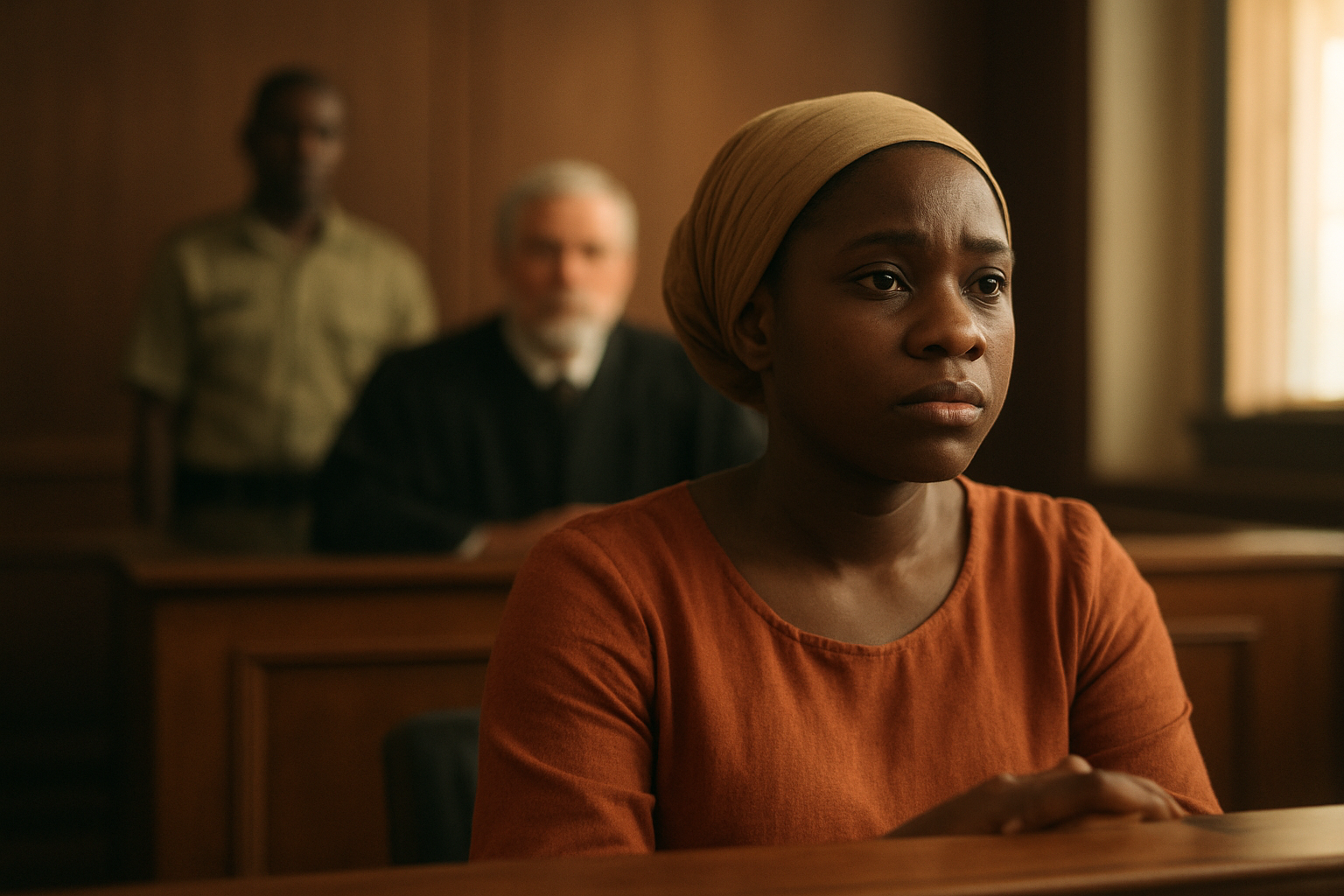
Why Do Victim Statements Matter in Court?
A courtroom is more than legal procedure; it is a moral stage where the hidden becomes public and the wounded are given voice. When a victim reads her statement aloud, she does far more than catalogue harms; she testifies to a reality others tried to erase. That public naming matters because it refuses anonymity to crime and it compels institutions—family, church, the law—to respond.
Sometimes the response is grace. Sometimes the response is silence. One woman put it this way: "we were finally being heard by the world and the law, and it felt like the timing was right." Being heard changes the trajectory of healing. Yet hearing is not the same as repair. Hearing must be followed by accountability and restoration.
There is a hard truth in many testimonies: the wound isn’t only the act — it’s the lie that follows. One survivor said her abuser taught her that "my body was not sacred." That sentence demands pastoral unpacking; it is a spiritual injury as much as a physical one.
The Heart of It: Naming injustice in public reclaims dignity. Naming the wrong exposes it to correction and begins the long work of restoration.
- Invite a trusted friend or pastor to sit with you as you tell the story; the act of being witnessed is itself restorative.
Behind the Words:
"The LORD is near to the brokenhearted and saves the crushed in spirit." — Psalm 34:18
This psalm offered comfort to people who had experienced betrayal, exile, or violent threat. Its promise is not an instant fix but a reminder that God draws close in our woundedness.
The Heart of It: God draws near to those who are shattered and offers presence before solutions.
Try This: Picture the morning after a painful disclosure—maybe you finally told family or read your statement to strangers. Imagine the God of the psalm walking beside you as you make coffee, folding laundry, noticing the small ordinary ways He keeps you company.
A common misunderstanding is thinking being heard means being instantly whole. Hearing begins healing, but healing is a slower, communal work.
Why does the church sometimes fail survivors? Fear of scandal and misplaced loyalty to reputation can silence care. Our calling is different: protect the vulnerable, pursue truth, and prioritize restoration for the injured.
Practical scene: You stand in a courthouse hallway, your voice still shaking. Your father squeezes your hand. Slowly you realize that this public naming has shifted something—you are no longer invisible; you feel a new measure of agency. The court will decide penalties, but your soul has already begun a different reckoning.
When the Desert Finds Water: Stories from Northern Nigeria
The image of a man walking in the desert for a week with no water and finally getting a drink is not poetry—it's a field report. In parts of northern Nigeria, choosing faith can turn your life upside down overnight. One aid worker said bluntly: "more Christians were killed in northern Nigeria than anywhere else in the world." Those are not statistics; they are graves, burned homes, and families forced to flee with nothing.
Displaced believers arrive at refugee centers with only the clothes on their back. Some schools that serve Fulani communities blend education with outreach; others operate under threat. A legal doctrine sometimes called honor killing—Arim Asharif in certain local contexts—means conversion can be punished by family violence. These are patterns of cruelty and legal precarity unique to that region.
We must hold two truths at once: the darkness is deep, and hope is real. People are coming to Christ even in those places; many report encounters with Jesus in dreams and radical turning points. That tension—grief and gospel—should shape our response.
The Heart of It: Solidarity with the persecuted calls for both practical aid and gospel courage. Providing shelter, food, and education is an expression of the Gospel’s hands and feet.
- Support refugee centers and schools that offer safety and literacy, and advocate for legal protections for converts.
Behind the Words:
"Blessed are those who are persecuted for righteousness' sake, for theirs is the kingdom of heaven." — Matthew 5:10
Jesus spoke these words to people living under religious pressure and political domination. His promise names a kingdom-level presence amid suffering rather than immediate worldly comfort.
The Heart of It: Persecution does not mean God’s absence; it often marks fertile ground for gospel witness and spiritual maturity.
Try This: Imagine a small classroom where a child once denied schooling because of identity now learns to read from a teacher who came because someone across the ocean gave. See the child's eyes widen as letters become promises—this is what our partnership funds.
Practical application: Partner with organizations helping displaced families—fund a month’s shelter, sponsor a child’s education at a school reaching the Fulani, or write lawmakers advocating for religious freedom protections.
We must refuse demoralizing myths. Western intervention alone will not fix everything. Our role is to stand with local believers, provide resources they request, and amplify their voice—never to replace their leadership.
Scene: A pastor arrives at a refugee center carrying two bowls of rice and a Bible. He looks up, weary, but when the new believer recounts a dream of Jesus that led her to faith, both of them weep. This is the desert-water moment: spiritual thirst met by living water.
How Should Christians Respond to Censorship and Threats to Religious Freedom?
Free speech and religious liberty are not abstract policy debates divorced from discipleship. When people cannot speak publicly about their faith—or when platforms quietly hide certain voices—our common life is diminished. As one observer put it, "If it's gonna be the new public square, it needs to be a place where free discourse can happen." That is a plain, urgent call.
We live at the intersection of platforms, governments, and social pressures. The temptation is simple: withdraw into safe enclaves or lash back with outrage. Neither answers the Gospel call. Instead, adopt a posture of courageous civility—speaking truth in love, protecting the vulnerable from deplatforming, and holding institutions accountable when they silence conscience.
The Heart of It: Public truth-telling protects the vulnerable and preserves communal flourishing. When speech is policed unevenly, those on the margins lose power to speak for themselves.
- Model speech that is charitable yet resolute; support legal and civic efforts that safeguard religious rights.
Concrete avenues for action include supporting legal groups defending conscience and educational access, praying for wisdom for leaders engaged in litigation, and teaching children to speak with clarity and courtesy in public forums. These steps are small but strategic.
Practical pastoral image: Imagine a young teacher who posts an article defending a faith-based school's right to display religious symbols in a public charter setting. Her post is flagged and removed. She feels invisible and censored. The church stands with her by calling the school board, offering to host a community forum, and writing to local newspapers. Defending one conscience becomes defending many.
A common misunderstanding is believing freedom of speech belongs only to the loudest voices. In fact, protecting quieter, minority voices shows whether a society truly honors freedom.
We must also cultivate our public theology: how do we speak online? How do we teach our kids to witness without meanness? Model disciplined speech—bold for truth, gentle in tone, persistent in prayer. The aim is not headlines but public spaces where honest questions can be asked and pursued.
Practical scene: A mother helps her teenage son draft a respectful comment on a contentious post. They pray, then click "post." It isn’t viral, but it is a habit of courage. Over time, those habits shape a public square that resembles kingdom life more than shouting matches.
When public systems fail, organize: support organizations that litigate for conscience rights, promote policies that protect religious schools and speech, and offer pastoral care to those burned by deplatforming or slander.
Bringing It Together: What We Do Next
The arc of the Christian response is simple but demanding: listen well, act justly, love mercy. Listening well means we give survivors space to speak and resist quick judgments about why they didn’t report sooner. Acting justly means supporting refugees, funding safe schools, and defending religious liberty in law and policy. Loving mercy means offering long-term companionship to those healing from betrayal.
We are not helpless. We can sit with survivors in courtrooms and prayer rooms; support refugee centers and schools that care for displaced children; and defend public spaces where conscience can be heard. Each act—small, costly, incarnational—pushes back against silence.
Final pastoral picture: Imagine a town where the local church opens its doors to a family who has fled persecution. A neighbor brings a casserole. A teacher volunteers to tutor the children. A lawyer helps with paperwork. Over months, wounds begin to close. The public hearing is compassionate and the town remembers the names of those who suffered. That is faithful community—one story heard, one life restored, one public truth defended.
We will not remedy every wrong today. But we can refuse the theology of silence. We can be the ones who say, with careful courage, that suffering matters, that rights matter, and that the Gospel calls us both to comfort the afflicted and to challenge systems that crush conscience.
To act: listen to survivors; support organizations helping displaced believers and educational initiatives in high-risk regions; and defend public spaces for honest, civil discourse. Our faith is not an escape from the world’s pain. It is the power that transforms it.
Key Takeaways
- Understanding the profound impact of victim statements in court proceedings.
- The importance of advocacy for victims of persecution.
- Recognizing the ongoing religious persecution in Nigeria and the response needed.
- The need for vigilance in protecting free speech rights.
- Highlighting the personal stories of faith can inspire change and healing.
Notable Quotes
"We were finally being heard by the world and the law, and it felt like the timing was right."
"More Christians were killed in northern Nigeria than anywhere else in the world."
"If it's gonna be the new public square, it needs to be a place where free discourse can happen."
Related Articles
- When Faith Meets Violence: Persecution to Second Chances
How do we respond as Christians when persecution and personal survival stories cross our path? Practical prayers, advocacy, and compassionate presence matter now.
- Pray, Witness, Act: Help Persecuted Christians
A pastoral call to pray, support, and act for persecuted Christians—examining violence in Nigeria, online radicalization, and how our prayers connect us to the suffering church.
- Protecting the Persecuted: Policy, Mercy, Hope
Pray and act: learn how targeted diplomacy, humanitarian corridors, and faithful advocacy can protect persecuted Christians and honor our call to justice.
- Pray, Remember, Act: Faith and Public Life
Pray, remember, and act: how Christians should respond to persecution in Nigeria and what Puritan principles teach about faith-shaped governance.
- When Symbols and Suffering Collide
When children are taken and flags spark violence, the church is called to lament, protect, and heal. Practical, faithful steps for responding to persecution and civic division.
- Pray, Protect, Speak: Christians in a Shifting World
When Christians face violent attack or cultural marginalization, our faith asks for prayer, practical aid, and public witness. Start with prayer—then act.