When Music Meets Prayer
For musicians called to ministry, prayer steadies ambition, fear must be faced with small acts of faith, and the creative process is the making of both craft and character.
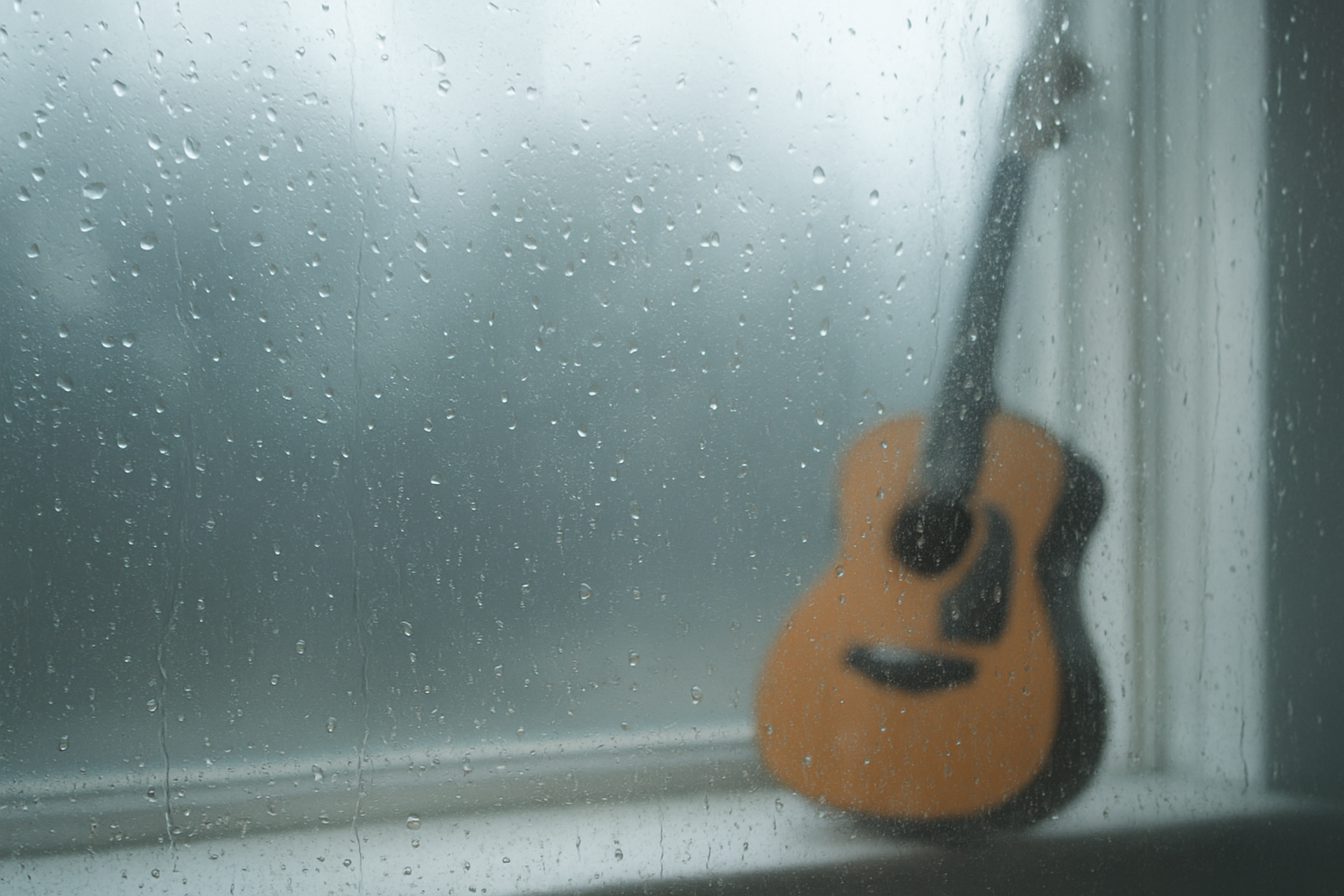
When music meets prayer: a moment in the studio
After a late session you stand in a quiet studio — the take was honest, the lyrics still settling into the wood. You feel exposed: hopeful and small at once. What do you bring to that silence? A melody? A plan? A prayer?
Music doesn’t just entertain; it shapes souls. For those of us who make music in faith, our songs become both offering and altar. Applause can intoxicate; the silence afterward can be dangerous. How do we keep our art tethered to God’s heart while navigating contracts, critics, and the unpredictable rhythms of a creative life?
Central thread: prayer holds our calling steady
If there’s one thread that ties late-night demos, touring anxieties, and quiet Sunday rehearsals together, it’s prayer. Prayer is not an add-on; it’s the lifeline that keeps the calling honest. When we pray about the Billboard and the billable, the result is not only career stability — it is clarity: we begin to see our music not primarily as product but as ministry.
Prayer reframes ambition into stewardship. It reshapes fear into a prompt toward dependence. It turns the creative process into something God can use.
What does prayer really do for an artist?
Artists often hear advice like, "Don’t bother God with the Billboard list," or "Don’t pray for chart success." But prayer isn’t a checklist. It’s the conversation that keeps our hands open. When we pray, we admit we don’t control everything — and that admission changes how we write, perform, and receive feedback.
"And we know that all things work together for good to those who love God and are called according to his purpose." — Romans 8:28
Behind the Words: Paul wrote to a church wrestling with persecution, division, and disappointment. Romans 8:28 was not optimism detached from reality; it was an assurance that God’s sovereignty touches the messy parts of life and ministry.
The Heart of It: Prayer invites God into the messy places of a creative career so that even setbacks can become formation.
Try This: Picture the soundcheck that went wrong — the mic cut, the lights flickered, the crowd thinned. Instead of replaying failure, sit or kneel and say aloud, "God, I bring this night to You. Use it." Notice one small way the night reshapes you: humility, a lyric tweak, a softened heart toward a teammate.
Sometimes we mistake prayer for a magic ticket. That misunderstanding treats prayer only as a request for favor, rather than the furnace that refines motives. Prayer refocuses us from “How do I win?” to “How will my music serve?”
The Heart of It: Prayer is not a last resort; it’s the first rehearsal in which we tune our souls.
- Without asking, we rehearse for the applause instead of for God’s presence.
When prayer is the first act, not the emergency measure, career decisions change. Contracts are weighed differently. Song choices gain new heart. Touring schedules become ministry opportunities rather than just hustle. And yes — you can pray about chart positions, because God cares about what weighs on your heart.
Try This: Set a brief, honest prayer routine before creative work. Not long or performative: two minutes to invite God into the melody, the collaborators, and your motives. Over time that rhythm reorients the work from self-service to stewardship.
When fear shows up on the road: how do artists face it?
Fear is a faithful companion in any creative career — especially in music where rejection is public and success can feel random. The anxiety that whispers, "Am I really going to make it?" is not merely a career question; it’s a spiritual one. The temptation is to make choices around that whisper: sign a deal you’re unsure about, dilute a lyric to please a crowd, or stop sharing altogether.
One blunt line: "Fear ain't ever been a friend." It doesn’t counsel; it cages. Fear’s power is projection — it convinces you the future is decided and bleak. When we give fear the steering wheel, we plan without God.
The Heart of It: Fear is false evidence appearing real — and confronting it starts with reminding ourselves whose hands hold our future.
Behind the Words: In Scripture, God often prepared leaders through seasons of testing and waiting. The tests clarified character. Facing fear with faith doesn’t erase the test; it transforms the test into training.
Try This: Next time a doubt loops in your mind, speak it and then offer it up. Say: "I feel afraid that I won’t make it," and immediately follow with, "God, I bring this fear to You. Help me step out in faith for the next small obedience." Then take one tangible step — send that song to a trusted mentor, book a short local gig, or write the verse you’ve been avoiding.
The Heart of It: Courage is not absence of fear; it’s obedience in spite of it.
- When fear tells you to hide, do one small public act of faith.
We can also learn from the discipline of pace. The most persistent artists aren’t always the loudest. Pace is grace. Choosing a steady rhythm — not rushing, not stalling — keeps us from panic decisions and the paralysis fear breeds. Rhythm lets craft mature and faith grow alongside it.
Picture a young artist obsessing over streaming numbers, replaying rejections until trust frays. Now imagine that same artist pausing each day to record a one-minute prayer about their work and then sending one honest message of encouragement to a fan. Which life seems more resilient? Which career seems sustainable? That short pause rebuilds trust muscles.
How should musicians think of their role in ministry?
Artists are often on the front lines. Historically, worship and song accompanied armies and movements; music leads and shapes emotional climate. Today, musicians in ministry can be public and private, raw and tender, overt and subtle.
A striking story illustrates this: a hardened biker in Texas, whose bike broke down, wandered into a local church. He expected unfamiliarity and left changed. A singer’s voice and people praying over him opened something he hadn’t anticipated; he left moved toward hymns. That encounter shows music crosses the boxes people put around faith. It doesn’t have to look like your church to reach your neighbor.
During a dark week of the pandemic, a group text in April 2020 asked people to pray for the hope of the world. That collective turning to prayer produced songs, gatherings, and renewed purpose. Artists don’t just reflect culture; they can be catalysts for healing.
The Heart of It: Art that leans into prayer and presence becomes a bridge for people who wouldn’t otherwise hear the Gospel.
- When we refuse to box worship into one sound, we make room for others to meet God.
Resist false categories. Music that ministers doesn’t always say "Jesus" explicitly. Sometimes a melody, a melancholic chord, or a single honest line can break open a heart. The lyric images that change you rarely feel like argument; they feel like invitation.
Imagine a small community center with mismatched chairs, a lone speaker, kids pressing faces to windows. You bring a song that names longing instead of delivering doctrine. Someone hums it for weeks and then asks a neighbor to pray with them. That’s ministry. That’s frontline work.
Broaden your imagination of who counts as audience. Genre boxes, award categories, and radio formats can make us forget that God’s people listen across lines. The more we make room for truth in different musical idioms, the more places God can meet people.
Practice, process, and pastoral courage
The creative life has seasons — making, breaking, testing, rising. Each phase enlarges skill and sanctifies motive. Setbacks are not mere detours but part of shaping.
Artists must steward two things: the art and the heart. Steward the art by refining craft, seeking wise feedback, and staying faithful to small tasks. Steward the heart by keeping prayer first, not last. Be cautious about who you trust; not all encouragement helps. Some remarks will shrink you; others will sharpen you.
Remember this hard line: making God the last resort will always cost you peace. Rehearse dependence. Make prayer your first move. When the crowd is loud and the deals confusing, come back to the quiet place where you first heard God’s call.
The Heart of It: Process is not punishment; it is preparation for the promise.
- If you sprint past preparation, you risk losing what the promise was meant to shape in you.
Imagine a low-lit backstage where you put your hand on the mic stand and whisper, "Use this tonight, God." That small practice, repeated, becomes a way of life. Over time it moves fear into perspective and makes every success an opportunity to point others to the Giver.
Final encouragement
We make music because we’ve been moved. We stay in it when we remember who moved us in the first place. Pray — not because you need permission to be ambitious, but because prayer realigns your ambition with God’s purposes. When fear threatens, name it and move in one small act of faith. When you perform, remember you might be the only doorway some people will find to hope.
Hold your art with both hands: work the craft and tend the soul. Keep returning to the practice of prayer. Keep taking the long view. The road is messy and holy — and you’re not walking it alone.
Key Takeaways
- Embrace your journey and the process of creation.
- Utilize prayer for guidance and strength.
- Recognize the influence of music on people's lives.
- Face fears and challenges directly through faith.
- Stay true to your calling and purpose.
Notable Quotes
"Fear ain't ever been a friend."
"Your help comes from the Lord."
"It's all working together for the win."