When Faith Meets the Dark Places
Honest pastoral guidance for when faith meets depression, suicidal thoughts, baptismal renewal, and the slow work of breaking family cycles—practical steps and Scripture.
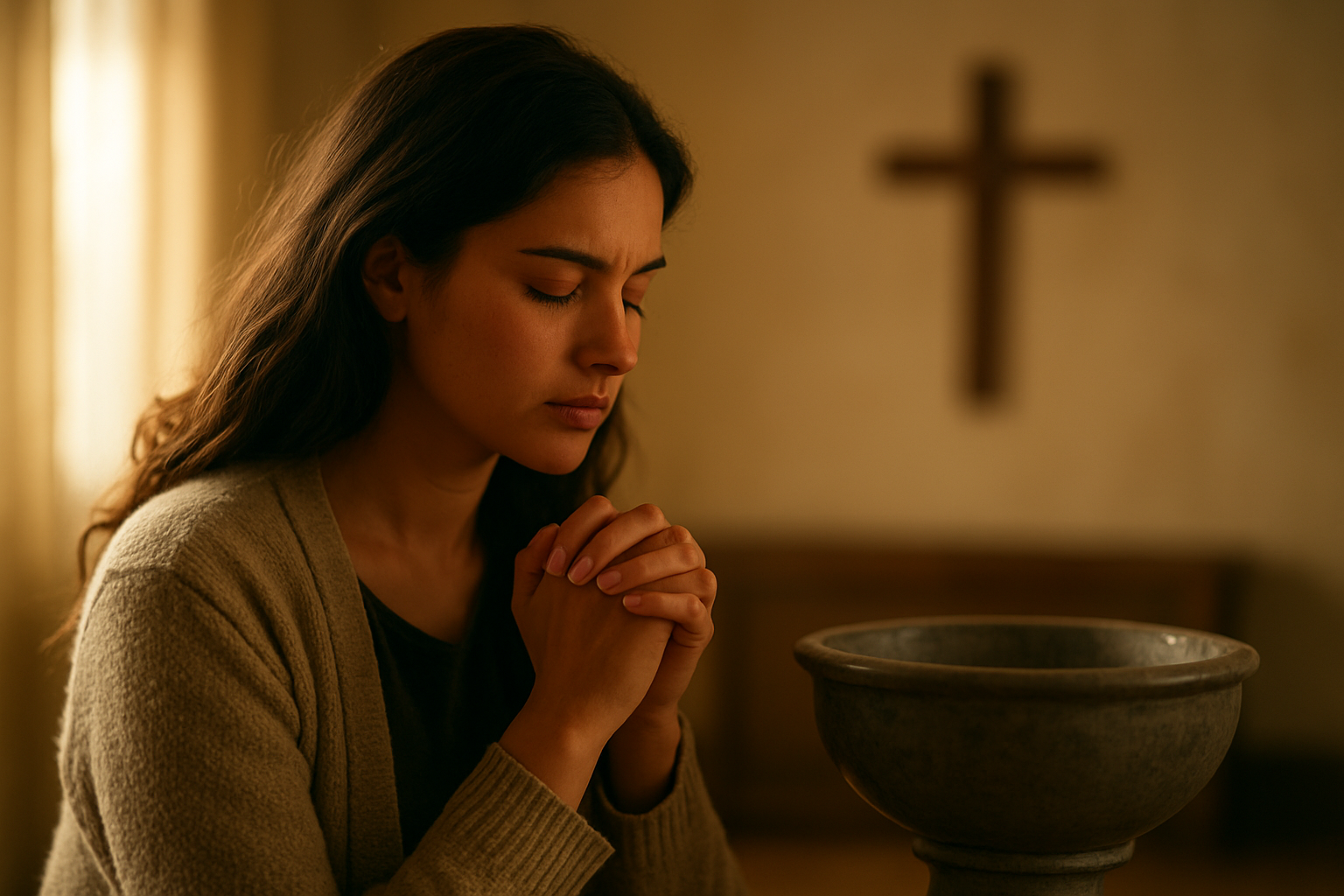
What connects mental illness, baptism, and breaking family cycles?
There is a single thread: renewal that requires truth. Renewal is rarely a single event or a quick fix. It often begins with honest naming—our depression, suicidal thoughts, or the patterns we inherited—and with steps that look like both grace and hard work: prayer, confession, community, therapy, Scripture, and sometimes a literal plunge into water that changes you.
When someone says, "Everybody's life matters, and it matters to God," it is not a slogan. It is a lighthouse for action and hope. Here's how faith speaks into mental illness, what baptism can mean when we are fragile, and how repentance and generational healing become practical work for daily life.
Why faith matters in mental illness
You are not less spiritual because your brain chemistry is altered. You are not more righteous because you feel better. Mental illness lives at the intersection of biology, history, and spiritual struggle—and all three matter.
One woman’s raw confession in the middle of a healing story was: "I was suicidal." Those two words break silence. They refuse the neat Christian fiction that faith automatically removes every dark night. Instead, they force us to treat mental health with urgency and reverence.
The Heart of It: Faith gives us a framework for meaning without minimizing the medical and psychological help we need.
- We pray and we call doctors; we worship and we take medication.
Behind the scenes of many recoveries are practical acts: doctors’ visits, therapy appointments, medication management, and relationships that hold steady. Faith provides an interpretive lens—suffering isn’t meaningless, but it is not always a direct punishment either. That perspective keeps us from spiritualizing pain into shame.
Behind the Words: Exodus’ law—"Thou shalt not commit murder"—addressed a community learning to live in covenant with God and neighbor, guarding life in a raw, violent world.
"Thou shalt not kill." — Exodus 20:13
The Heart of It: Life is sacred; that includes our inner life, our mind, and the places where despair whispers.
Try This: Imagine telling God, in the quiet of the bathroom or the car, that you are scared to live and scared to die. Say it aloud once this week. Let confession meet prayer and then call your counselor.
One common misunderstanding is thinking spiritual maturity means never needing help. It doesn’t. We honor God by stewarding the body and mind He gave us.
Practical pastoral steps: create a small crisis plan (who to call, which ER to go to), keep regular medical appointments, and attach to a faith community that will check in. None of these are glamorous; all are faithful.
We must also remember a broader context: societal failures create and compound mental illness. Compassion and action—visits, meals, advocacy, generosity—are not optional for believers.
What Scripture teaches about identity after baptism
Baptism is not merely a religious rite; it is a marked moment when water and Word together name a new trajectory. For many who come to faith through deep brokenness, baptism is a hinge—where shame, anger, and self-condemnation begin to lose their grip.
One image from a testimony lingers: "I had electricity hit my body" as her foot touched the water. That is both literal and metaphorical—baptism can feel like a jolt: a reorientation of the heart toward God’s presence.
The Heart of It: Baptism declares that our old identity is not the final word; God claims us into a narrative of restoration.
- When we step into water, we step into a community that will help rewrite our story.
The early church used baptism to mark communal belonging. It was not a private insulation against suffering; it was a public commitment to be formed by Christ’s way.
Behind the Words: Psalm 23 speaks of God restoring the soul and leading us "in paths of righteousness for His name's sake." That shepherd song uses imagery of protection and provision for people living under uncertainty and threat.
"He restores my soul; He leads me in paths of righteousness for His name's sake." — Psalm 23:3
The Heart of It: Baptism symbolizes God’s work to restore the soul and to lead us back into life’s right paths, even when we have wandered through trauma or poor choices.
Try This: After baptism (or a renewal of faith), imagine God teaching you. Write a one-page letter from God to you describing five things He sees that are not defined by your worst day. Read it aloud.
A misunderstanding to guard against: treating baptism like a magic switch. It is a beginning, not an instant cure. Many who find faith still wrestle with depression, triggers, and consequences of earlier choices. Baptism points to a long-term, communal process of healing.
When new believers are raw, they need simple teaching: how to pray when panic comes, where to find Scripture comfort, when to seek therapy, and how to remain in community when isolation is tempting. Those are the practical forms of discipleship that follow the waters.
When the water feels electric: repentance and breaking generational patterns
We inherit more than traits. We inherit stories—how families manage anger, how they worship, how they hurt one another. For some, cycles of domestic violence, addiction, and sexual abuse trace back generations. Confronting those patterns is painful and necessary.
One testimony tells of childhood marked by abuse and a lifetime repeating the patterns: violent relationships, addictions, and choices that hurt her children. She named a turning point: a season of isolation, a spiritual wilderness of 90 days when everything seemed to fall apart—job loss, broken devices, cut benefits. Those blows were not punishment; they were the raw context in which she met God and chose a different path.
The Heart of It: Repentance is not only saying sorry; it is the deliberate unlearning of destructive patterns and the choosing of safer, healthier behavior.
- Repentance re-patterns relationships across generations when paired with accountability, therapy, and grace.
Part of repentance is naming what is ours to change. That may look like telling the painful truth to a pastor, therapist, or trusted friend. It looks like stepping away from relationships that perpetuate harm, even if that costs us socially.
In a wounding culture, forgiveness can be misunderstood as erasing accountability. Scripture invites both truth and mercy. We forgive as Christ forgave us—and we do not confuse forgiveness with enabling.
A confronting pastoral line from a story was: "you haven't been consistently in your word to know how I operate." It is not meant to crush; it calls us back into daily formation. If we are not regularly in Scripture and practice, we will misread God’s character in seasons of crisis.
Translate repentance into daily life: build a small, concrete routine. Name one behavior this month to stop (e.g., numbing with alcohol, isolating), and one to start (e.g., weekly therapy, a weekly meal with a safe friend). Bring choices into prayer and ask a community member to check in.
Behind the Words: The Ten Commandments functioned in Israel as covenantal boundaries—clear rules that preserved life within a fragile community.
"Thou shalt not kill." — Exodus 20:13
The Heart of It: Boundaries and repentance protect life—ours and others’—and they are expressions of love in practice.
Try This: Picture a table with your family five years from now. What pattern from your family will you refuse to pass on? Speak that refusal into being by writing the first three steps you will take this month to prevent it.
Generational healing is slow work and usually requires outside help: counseling, pastoral care, addiction programs, and stable community. It is also spiritual work: prayer, confession, and receiving forgiveness create new wiring in the heart.
Hope that meets hard work
There are no easy answers, but there is consistent hope. The pathway out of darkness involves both divine action and human responsibility. God meets us in the dark—not simply to remove it, but to walk us through it, teach us how to live, and restore what was broken.
If you feel numb or ashamed, name it. Say, "I was suicidal"—to a pastor, counselor, or hotline—and then let the compassion of others form a human net beneath you. If you are drawn to baptism, let it be the start of a long apprenticeship in obedience, prayer, and community. If you see patterns repeating, take one concrete step to change them this week.
We are not meant to carry the story alone. A hard fact: America has approximately 580,000 homeless people. That number reminds us our faith is social as well as personal. Our inner healing inevitably pushes us outward into service.
You are not defined by your worst day. You are being remade. The road may be long, but we walk it together.
Resources and next steps: if you are in immediate danger, call local emergency services or a crisis hotline. Ask your church for a small group, a mentor, or a referral to a Christian counselor. Take one practical step today—schedule an appointment, send a text to someone who loves you, or read Psalm 23 and let its shepherd language rest on your heart.
May we be a people who name the darkness honestly and who point one another to the water where life begins again.
Key Takeaways
- Faith can serve as a foundation for healing.
- Open discussions about mental health are necessary.
- Community support is vital for overcoming personal struggles.
- Baptism can be a powerful spiritual renewal experience.
- Understanding generational patterns can lead to personal growth.
Notable Quotes
"Everybody's life matters, and it matters to God."
"You haven't been consistently in your word to know how I operate."