When Darkness Presses: Faith and Aid in Iran
A pastoral guide to the persecuted church in Iran: what life under strict Islamic rule looks like, why faith keeps growing, and how aid reaches those in need.
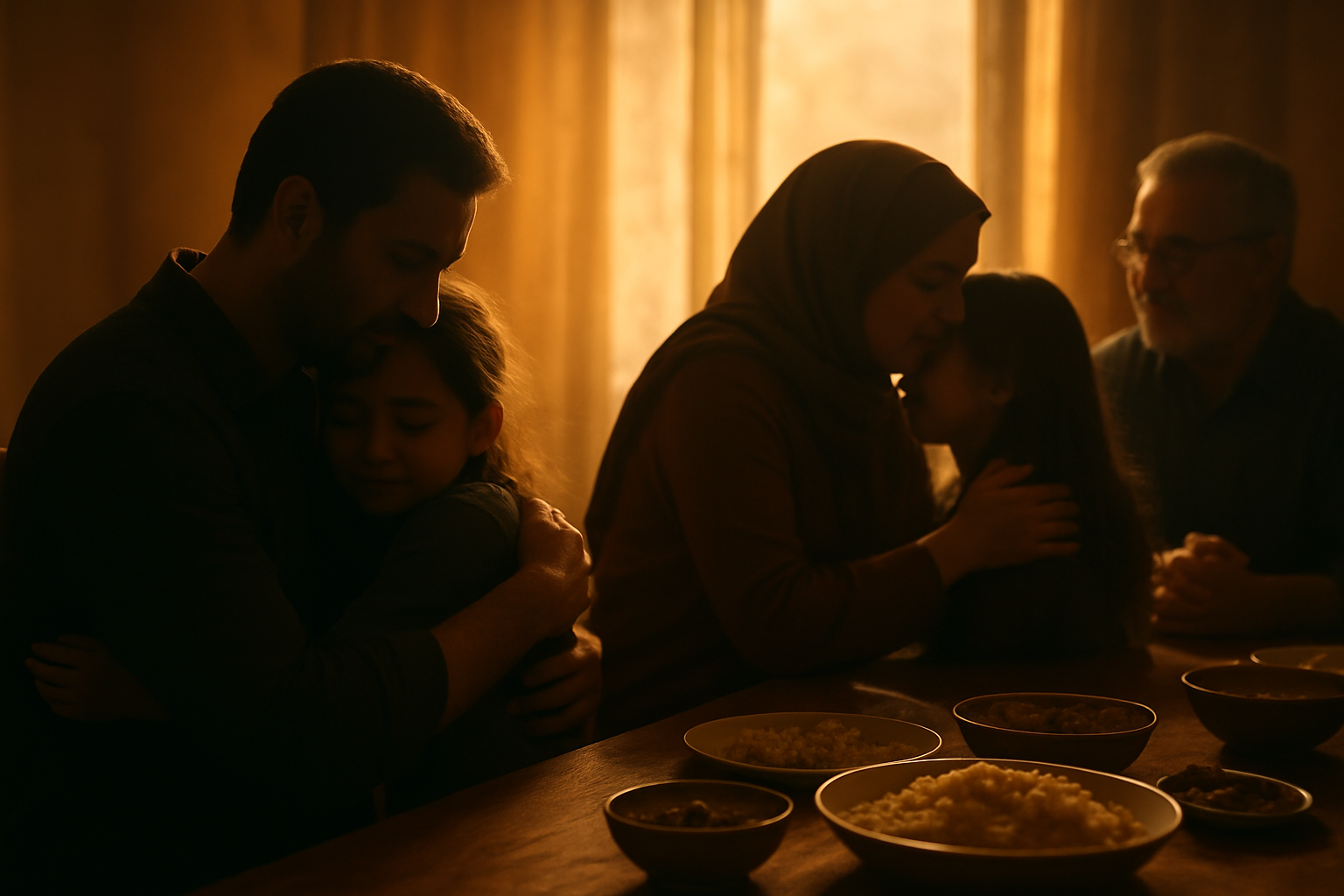
When the night is thickest: Why the church in Iran keeps growing
There is a paradox in seasons of persecution: the visible church is pressed in, and yet new people keep coming to Christ. The church in Iran is not a tidy, headline-friendly institution; it is an underground movement lived out in living rooms and whispered prayers. A small family meeting that met every night in their home for four years birthed churches that now stretch across towns. That origin story matters because growth has been grassroots, supernatural and relational.
The Heart of It: Persecution does not cancel God’s purposes; it refines and reveals them.
Behind the Words: When physical structures are removed — a building, a public identity — faith becomes person-to-person and testimony-driven.
Try This: Prioritize relational support: prayer, discreet resources, and encouragement to trusted leaders who bear the cost. Imagine a woman who receives an anonymous message at midnight: her church meeting is compromised. Instead of panic, she prays aloud for courage, calls one trusted friend, and they split up to move older members to a safe place. The action is small, human, and saturated with trust rooted in God’s love.
"There is no fear in love, but perfect love casts out fear. For fear has to do with punishment..." — 1 John 4:18
Behind the Words: John wrote to a community shaken by internal division and external threats, encouraging believers to anchor identity in God's love rather than in fear of exile or punishment. He addressed people who needed assurance that God’s love is the source of courage.
The Heart of It: Perfect love displaces terror by giving us a secure identity in Christ, not merely courage for a moment.
A reality check: the government is ruthless in cracking down. That phrase is not an abstraction; it’s a lived pressure with leaders telling churches to delete chats and prepare for arrest. Yet growth continues. Conversion in such contexts is often dramatic — people exhale from cultural weariness and say, "They've had enough with what they would say Islam has done to their country." That weariness opens hearts to Jesus.
We must resist romanticizing suffering. Martyrdom, sacrifice and risk are not badges we aspire to; they are costs our brothers and sisters pay because the gospel becomes undeniable in its power to heal, restore and offer meaning. We stand with them not as armchair admirers but as partners: we pray, we advocate, and we send careful, wisdom-guided support.
What life under Islamic rule looks like for believers
Ask someone schooled in Iran about their grade-school routine and you’ll hear more than nostalgia: they recall lining up, doing exercises, then being made to shout slogans that shape worldview. The daily ritual of shouting "death to Israel, death to America" shows how a regime forms conscience from childhood.
Children are taught to revere martyred fighters; public murals glorify sacrifice for a political-religious cause. Cultural pressure is paired with legal restrictions: no co-ed activities, strict dress codes, and even ordinary freedoms like swimming with a parent can be prohibited. For believers this means faith is lived in a double life: publicly compliant, privately worshiping. That hiddenness produces intimacy with God and with one another, but it also produces acute vulnerability.
The Heart of It: Religion shaped by the state narrows public faith but cannot wholly contain the soul’s hunger for truth.
Behind the Words: When worship is allowed only as an ethnic relic or in certain languages, people who thirst for living relationship with God find alternative, quieter ways.
Try This: Encourage culturally sensitive discipleship — resources that honor the local story, not foreign forms.
One hard truth needs pastoral unpacking: some regime leaders say, "If millions of Iranians pay a price, it's worth it for the long term, bigger picture." That is a brutal admission of utilitarian cruelty that treats citizens as means. We must name it honestly: a government that values ideology over its people will willingly inflict suffering for perceived strategic goals.
How do ordinary believers cope? They adapt. Mosques empty as people push away from enforced religion; many quietly stop practicing rituals that once marked public life. The state’s paranoia has intensified after nearby conflict, and Christians are sometimes scapegoated as alleged spies. Authorities pull pedestrians off the street, demand cell phones, and examine message histories. Food prices surge; one report noted bread rising 70 percent in a single day. Economic, social and legal pressures converge to make faith costly.
Behind the Words: The Elisha story (2 Kings 6) records a servant who saw only danger when the army surrounded them. Elisha prayed, and the servant’s eyes were opened to the heavenly host protecting them.
"And Elisha prayed, and said, 'O Lord, I pray, open his eyes that he may see.' Then the Lord opened the eyes of the young man, and he saw. Behold, the mountain was full of horses and chariots of fire all around Elisha." — 2 Kings 6:17
The Heart of It: Spiritual sight changes how we interpret danger; we are not left alone in battles we cannot see.
Try This: Sit still for five minutes and picture the people you carry in prayer in Iran. Imagine a visible host of God’s power around their homes, their cars stopped at roadblocks, their quiet meetings. Pray specifically for spiritual sight — for leaders and for frightened young people — and then pray practically for provision. A double vision of heaven’s protection and human needs transforms despair into steady intercession.
Common misunderstanding: seeing God’s protection does not mean we ignore practical risks. Spiritual sight is not magical immunity; it is courage to act wisely in the presence of divine help.
How aid is distributed — and how you can help without causing harm
When food prices spike and medications become unaffordable, aid is not a luxury; it’s a lifeline. Churches within Iran, though mostly illegal, form networks across dozens of cities. Aid is routed through trusted leaders who discern need, guided — those who do this work say — by the Holy Spirit. Practical stories arrive in reports: a single call providing exactly the rent a single mother needed, or funds to cover cancer medication for a father. These testimonies are not PR; they’re lifelines.
The Heart of It: Humanitarian aid must be humble, discreet, and led by local wisdom.
Behind the Words: In closed societies, public distribution invites danger for recipients and for those who give.
Try This: Give through trusted channels and allow local leaders to prioritize recipients.
Organizations with legal ability to transfer funds have networks in 53 towns and cities; they send financial help to vetted leaders who then decide who is most in need. The pattern is relational, not bureaucratic: leader-to-leader discernment, small cash transfers for rent or medicine, and emergency help for those facing arrest or sudden displacement.
We must be attentive to two risks when we help. First, visibility can harm recipients. Publicized donations or identifiable packages can expose underground believers. Second, aid that attaches strings or promotes foreign culture can backfire. So follow local guidance: prioritize invisible forms of help, allow local leaders to distribute, and support both Christians and non-Christians when appropriate to show Christlike love to the vulnerable.
Imagine a prayer group in Europe that raises funds, sends money to a vetted leader, and within days three families receive help that covers rent, buys insulin, and pays for a child’s schoolbooks. A translated testimony reads, "My landlord raised the rent and I didn't know how I would pay — then your call came with the exact amount." That’s not abstract charity; it is life preserved.
What can we do now? Pray specifically: for wisdom for those distributing, for the safety of recipients, and for the economy to stabilize. Give through organizations with local networks. Write letters to your representatives asking for protection of religious freedom and safe asylum for those at risk. Above all, stay committed: this is not a momentary crisis but a long season requiring patience, persistence and prayer.
When the church in Iran calls for prayer, answer with the same disciplines we practice in our own homes: steady prayer, thoughtful giving, and a refusal to let fear drive us to despair. Prayer is active work — not passive watching — and our prayers join the work of God.
We cannot remove every danger for our brothers and sisters. We cannot make every leader repent. But we can pray, give, speak and stand. We can refuse to look away.
Choose steady faith: pray for protection and provision, support networks that know the ground, and remember — constantly — that God sees the hidden gatherings, hears whispered confessions, and walks in the midnight rooms where believers meet. If our hope is tethered to Jesus, then even in the darkest nights we can act in ways that honor Him and sustain His people.
Would you pray with us for clarity today, and consider a disciplined gift through reputable organizations that already have trusted channels into the country? Our closest expression of solidarity is a sober blend of prayer, wise giving, and persistent advocacy.
Key Takeaways
- Recognize the importance of prayer for persecuted Christians.
- Understand the cultural context of faith under oppression.
- Support organizations providing aid to persecuted communities.
- Promote dialogue and respect between Christians and Muslims.
- Emphasize love and faith even in dire circumstances.
Notable Quotes
"The government is ruthless in cracking down."
"They've had enough with what they would say Islam has done to their country."
"We must be praying praying we send a lot of aid into the country."