When Creativity Meets Courage
When fear clamps down on our creativity, we must choose courage, community, and faithful artistry—using our gifts to point people to the God who meets us in struggle.
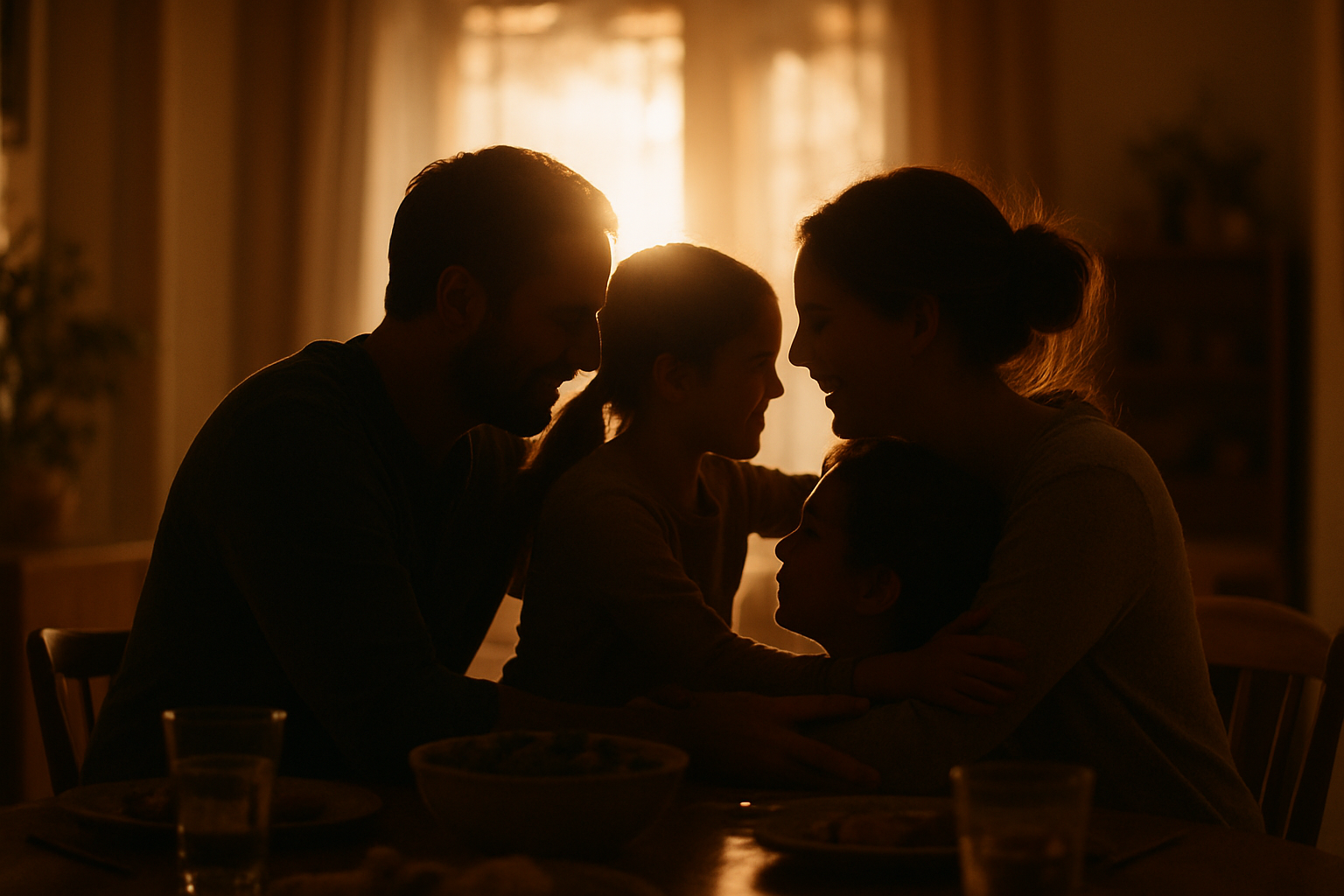
What unites faith, art, and fear?
A single thread runs through songs, sketches, and sermons: vulnerability. Art is often born at the intersection of confession and craft. When we bring our imperfections to the page or stage, we echo an ancient truth—that God identifies with our struggles as much as our triumphs.
We want our work to be excellent and to matter. Along the way we confront doubt, criticism, and weariness. That tension sits like a small lit candle in a dark room—honest and illuminating.
The Heart of It: Our humanity is not a liability for ministry; it’s the soil where authentic art grows.
Behind the Words: People connect with honesty more than with polish alone. Excellence serves the gospel when it points people to God, not the artist.
Try This: Offer one song or sermon this month that doesn't hide the question marks you carry.
Why fear often stops our creativity
Fear is not merely an obstacle; it's a liar that rewrites our identity. We tell ourselves we aren’t ready, don’t have the resources, or will be judged. Someone put it bluntly: "Fear will always cause us to pivot off of the God thing." That naming is uncomfortable because it names fear as a spiritual diversion.
When fear steers us, we choose safety over obedience and familiar applause over new risks. Fear looks like procrastination, obsession with numbers, or living inside someone else’s expectations. The alternative—the God-directed risk—is the kingdom path where gifts are entrusted and multiplied.
"For it will be like a man going on a journey, who called his servants and entrusted to them his property." — Matthew 25:14–30
Behind the Words: Jesus told the parable of the talents to listeners who understood stewardship and honor. Servants were given resources with the expectation of faithful use. The story challenges the comfortable assumption that safety equals faithfulness.
The Heart of It: God entrusts gifts to us not to protect them, but to see them used for growth and generosity.
Try This: Imagine your creative gift is a coin from someone you love. You can hide it in a drawer, or invest it in a small, scary thing this month—a new song on a raw topic, a short film with friends, or a children’s choir project. Tell one trusted person what you’re risking and ask them to hold you accountable.
Common Misunderstanding: The parable does not punish prudence; it challenges paralysis that disguises itself as prudence.
The Heart of It: Courage is often a decision to begin before we feel entirely equipped.
Behind the Words: Faith requires movement—often imperfect movement—toward what God has placed before us.
Try This: Start a 30-day habit of creating for 20 minutes a day with no edits allowed.
Fear also shapes our language. Talking only about being "relevant" or chasing charts—"Where's the song on the charts?"—can become the theology of our careers. Relevance is good, but not at the cost of surrender. When creativity is driven primarily by metrics, we serve trends instead of the Spirit.
This is why community matters: we need people who remind us of our calling when fear whispers loudest. Encouragers will say, "Keep going," while honest friends say, "That’s not the song for this season." Community becomes the buttress that frees us to take risks.
Remember the hard saying: "Fear will always cause us to pivot off of the God thing." Are you pivoting to safety or pivoting to God?
How artistic expression communicates God's presence
Art is language before words. A melody can land where a sermon cannot. A film image can touch a memory and open the heart to grace. When we create with theological clarity wrapped in beauty, we point people to a God who is both transcendent and intimate.
We say plainly: God is a creative; he is the artist of glory. That paradox comforts us—God creates, and we, made in His image, reflect that creativity into the world.
The Heart of It: Artistic excellence becomes a bridge when it points beyond the artist to the Creator.
Behind the Words: The heavens declare God’s glory not to make us insignificant, but to invite us into wonder and worship.
Try This: Let your next project include one explicit moment that lifts the audience's eyes to God—whether a lyric, an image, or a silence.
Sometimes our stories carry theological weight. One person recalled learning to go to God in their doldrums—tired and not wanting encouragement—yet still finding space to speak honestly to God. That transparent, weary faith translates into songs and sermons people can live with and learn from.
"Your name shall no longer be called Jacob, but Israel, for you have striven with God and with men, and have prevailed." — Genesis 32:28
Behind the Words: Jacob wrestled through the night with an angel and emerged with a new name and identity tied to struggle and dependence. His encounter was not a smooth victory but a liminal rite that changed how he would live.
The Heart of It: God’s identity is tied to our struggles—He meets us in the mess and gives us new names that carry purpose.
Try This: Picture a failed project or a wound that still stings. Write its story in the first person, then craft a two-line chorus or prayer that names God’s presence in that struggle. Sing it aloud in the car or to a friend.
Common Misunderstanding: We sometimes think spiritual artists must always appear untroubled. Jacob’s story says otherwise. God meets the struggler, not the facade.
Art that communicates God's presence does so when it is honest about the human condition. When we admit we are not God and that we need God, our work breathes life into listeners who have been pretending otherwise.
Technical craft matters. The use of technology, the quality of a recording, and care in mixing are acts of stewardship when they help the work point upward. Conversations about professionalism and innovation are pastoral: a faith-based film with the craft of a mainstream production can cross cultural lines and open doors.
Songs people stream and stations that play them—community radio and playlists alike—are opportunities to reach ears that might never come to church. Don’t neglect the technical; steward it.
How communities should support their artists
Too often artists are left to wrestle alone. We act as if artists should be islands—solitary geniuses who either triumph or fail. But the biblical imagination is congregational. Gifts are given not only for personal acclaim but for the body of Christ.
Community support looks like more than applause. It is prayer, honest feedback, financial backing, and a willingness to risk for the sake of gospel-centered creativity. Churches and local supporters can empower media and film; that is essential if we want a robust Christian media landscape.
The Heart of It: Spiritual gifts must circulate inside the body if they are to be multiplied.
Behind the Words: The parable of the talents is not primarily about reward; it’s about stewardship among a community for the flourishing of all.
Try This: Identify one local artist and commit to a regular practice of support—attend a show, give financially, or share their work.
Many artists fear the market because they feel judged—by charts, critics, or leaders who prefer safety. We must ask: are we cultivating a culture that keeps artists small, or one that allows them to be available to God for the next season? Rhythm matters more than balance; seasons come and go, and grace awaits in each.
One scene stays with me: a musician pulling into a venue late, doing a quick soundcheck, and feeling the precariousness of ministry. If we truly believe in the power of artistic expression, we will not let the artist stand alone in that hurried soundcheck. We will be there—praying, carrying amps, buying a ticket, streaming a song, or sending an encouraging note.
Support also means providing space for failure. When an experiment flops, don’t treat it as waste. Treat it as learning. Artists need congregations that will celebrate the attempt, not just the success.
When the stage feels too heavy
There are nights when the stage is a weight and the applause is thin. There are seasons when plans dissolve—when you execute everything and God says, "Stop, and change the plan." That can be disorienting and also divine redirection.
Give yourself grace for seasons that require rest, reevaluation, and redirection. One person nearly slipped into depression before sensing God’s call to pivot. That is not failure; it is the mercy of an honest soul who refuses to perform as a substitute for Sabbath.
The Heart of It: The work God calls you to will require seasons of stopping and changing—and there is grace in each pause.
Behind the Words: God’s plans often redirect us to deeper faith, not lesser productivity.
Try This: Schedule one Sabbath in the next month and protect it fiercely. Use it to listen, not to plan.
When the stage feels too heavy, remember that identity is not defined by applause or metrics. Jacob left the table with a limp but a new name. Our wounds can become ministry. Our fear can teach dependence. Songs born in late nights and hurried soundchecks can become vessels for someone else’s healing.
We don’t walk this road alone. Community, Scripture, and honest creativity form the tripod that steadies our vocation.
We were made to create in the image of a creative God. That means our craft matters and our courage matters more. Refuse the pivot to fear. Steward your gifts, support one another, and allow your art to point people toward the One who meets us in our struggles.
So tomorrow, when doubt knocks, answer by making something small and brave. Send it to one friend. Play it in a church lobby. Submit it to a local station. Remember the hard saying: "Fear will always cause us to pivot off of the God thing." Let’s pivot back toward God together.
Key Takeaways
- Embrace your humanity and recognize that flaws do not affect God's love.
- Fear can paralyze creativity; overcoming it is essential for growth.
- Artistic expression is valuable in communicating faith.
- God identifies with our struggles and encourages us to be creative.
- Community support is vital for encouraging artistic endeavors.
Notable Quotes
"Real talk, real life, and real faith."
"If we have the wrong view of God, it's going to create the wrong outcome."
"God is a creative, he's an artist of God's glory."