When Ceasefires Hold and Hearts Don’t
A fragile ceasefire is only the first step. Explore how disarmament, militant control, and divine encounters shape pathways to lasting peace and forgiveness.
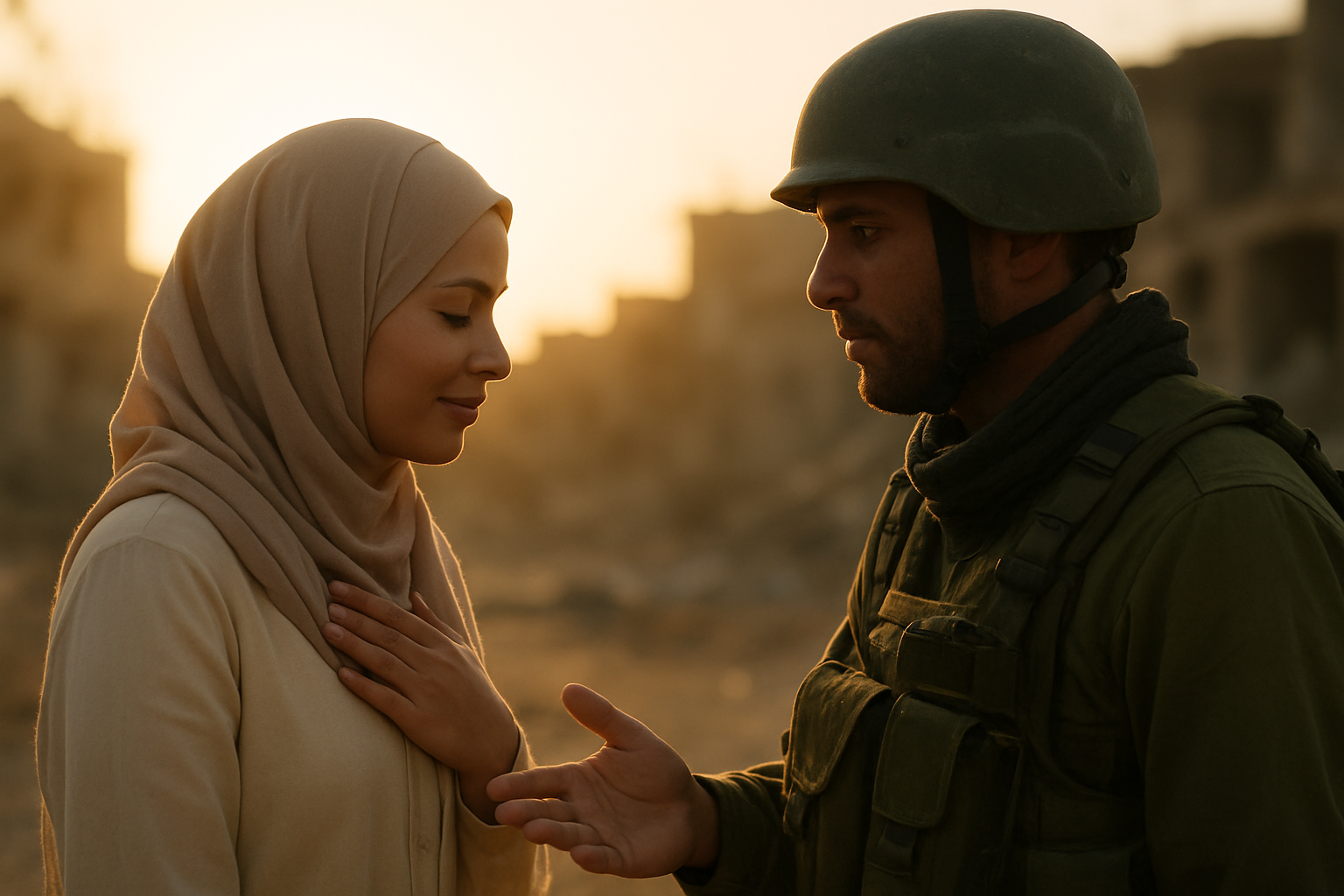
Why the ceasefire between Hamas and Israel is fragile
A ceasefire can open a doorway to rebuilding or simply pause the fighting long enough for old weapons to find new corners to hide. International mediators arrive to hold lines and press for disarmament, yet the reality on the ground shows that without clear enforcement, a truce remains only paper.
Ceasefires require disarmament to be durable
Behind the Words: A security pact without mechanisms to remove the means of continued violence lets insurgent power remain intact. If weapons stay, influence stays.
Where forces pull back, armed factions often continue to enforce rule: executing rivals, extorting local businessmen, and displaying weapons openly. That pattern signals a shift from insurgency to parallel governance, and parallel governments rarely cooperate with outside rehabilitation plans.
Picture this specific scene: Sunni states were expected to contribute an Arab monitoring force but reportedly refused if the armed faction did not disarm. The withdrawal of regional guarantors strips a ceasefire of its teeth and reduces international guarantees to hopeful rhetoric.
When a powerful outside actor issues a blunt warning—"we're going to eradicate them if we have to"—that hard saying lands like a stone in the pool of diplomacy. It reminds us that when moral outrage meets strategic patience, the tension breeds both pressure and profound moral questions: how do we balance a need for security with a call to mercy?
Imagine a coastal town where trucks carry food and medicine to a distribution point. Trucks are unloaded, but men with guns stand near warehouses, checking papers and collecting 'taxes' on every crate. Reconstruction teams cannot rebuild roads or utilities if armed groups decide who will work and who will be paid. The ceasefire may be holding on paper, but life there still depends on who controls the checkpoints.
How militant activity undermines peace and aid
Militant structures are not idle during a lull; they reposition, consolidate, and prepare. Underground networks, manufacturing sites, and tunnel systems do more than hide weapons—they anchor an economy of fear and control that thrives while visible fighting pauses.
When militancy funds governance, humanitarian recovery stalls
Behind the Words: Reconstruction depends on secure, civilian-led institutions—not armed patronage networks. Aid flows are disrupted when armed groups tax, extort, or seize supplies.
Picture engineer teams clearing subterranean infrastructure: crews coordinating daily missions to locate tunnels and render them unusable. One engineer described a machine used to pump explosives into a tunnel that suddenly stopped working because "something loose in the air pressure" tightened. He had just about begun when, twenty meters away, a tunnel detonated and sent two tons of explosives into the air. Rocks fell; men were wounded; two teammates were killed.
That detail—mechanical failure, a life saved by delay, the shock of an explosion nearby—brings the abstract into hard, human focus. Militant infrastructure is both a tactical threat and an obstacle to restoring civilian normalcy.
Armed groups often exert violent control in emptied spaces: executing critics and displaying weapons in markets and squares. That behavior prevents local business recovery, scares away outside investors, and makes daily life risky for civilians who simply want to buy bread or fix a roof.
Vivid scene: a baker returns to his oven after months of silence. He lights the flame, but before he can knead the dough, a group comes to collect an extortion fee. The baker must choose: pay and survive another week, or refuse and risk retribution. That choice is no choice for families who have already lost too much.
Behind the Words: The teaching of Jesus to pray for enemies comes in the Sermon on the Mount, offered to an audience living under occupation and urgent moral questions. The words were meant to reshape hearts more than strategies.
The Heart of It: Praying for our enemies asks us to align our hearts with God's desire for repentance and restoration, even when justice is demanded.
Try This: Picture yourself in that bakehouse, palms coated with flour and fear. Pray for the man who demands payment—ask God to soften his heart and provide the baker a way through. Not a magic fix, but a shift in posture: from reactivity to intercession.
A common misunderstanding: Praying for enemies is not a call to passivity in the face of injustice. Prayer should move us to protect the vulnerable and to pursue just structures.
Where God meets a battlefield: faith, survival, and forgiveness
Faith is often tested most painfully where walls of rock and steel collapse. Soldiers and civilians alike report moments they can only name as protection—instances that feel like mercy cutting through chaos. One combat engineer said plainly, "the Lord really protected us" after a near-catastrophic blast; that sentence carries a lifetime of wrestling.
Faith doesn’t remove trauma; it reframes purpose
When someone survives where others do not, the question "Why me?" becomes a spiritual crossroad. Surviving can be an invitation to service, testimony, and deepened compassion.
The engineer’s account is striking: delayed movement, a machine that stopped working because of a loose air-pressure setting that he tightened, and then a blast that ought to have been fatal but was not. He felt paralyzed for a minute by a block that hit his neck; then sensation returned. Around him, teammates bled and some died. He kept asking where God was in the midst of it all.
That question led him to wrestle with forgiveness. He said, "I had to forgive a lot." Those words carry both the sting of loss and the discipline of grace. Forgiveness in wartime is not an abstract moral exercise; it is daily, embodied work—praying for the camps that perpetrate violence, seeking the good of enemies so hatred does not hollow our souls.
"Blessed are the peacemakers, for they will be called children of God." — Matthew 5:9
Behind the Words: Jesus spoke this during a moment of occupation and social fracture. Peacemakers then were not neutral pacifists but people who actively pursued reconciliation and justice, often at personal cost.
The Heart of It: Peacemaking always holds both truth and love; without both it becomes either fraud or collusion.
Try This: Imagine the battlefield medic who, after patching a comrade, takes an extra minute to pray for the captured enemy in the field hospital. The prayer is not naive; it's a discipline that opens the medic’s heart to mercy while she still acts to preserve life.
A common misunderstanding: Calling for forgiveness does not mean minimizing suffering. Forgiving the person who harmed you neither erases the act nor dismisses its consequences; it honors the God who heals victims and restrains vengeance.
We cannot ignore the hard reality that powerful actors may demand eradication of armed groups if they refuse to comply. There are times when force interrupts larger evil. Yet the pastoral task is to refuse to let that language become an excuse to dehumanize every person on the other side. We must hold justice and mercy in tension.
Forgiveness after battlefield horror is painstaking. It looks like facing the facts—failures, tactical mistakes, missed signals—and then choosing inwardly to refuse letting suffering have the last word be hatred. It looks like returning to the community, becoming a source of healing, and teaching children that enemies are image-bearers who need God's mercy.
As a second scriptural touchstone consider Paul’s instruction on vengeance:
"Beloved, never avenge yourselves, but leave it to the wrath of God; for it is written, ‘Vengeance is mine, I will repay, says the Lord.' No, 'If your enemy is hungry, feed him; if he is thirsty, give him something to drink.'" — Romans 12:19–20 (paraphrase)
Behind the Words: Paul counsels Christians to refuse personal vengeance while pursuing the well-being of enemies. That does not mean passivity toward injustice, but it reframes power: love and justice are not mutually exclusive.
The Heart of It: Justice and mercy together make a witness for the God who restores.
Try This: If you work with displaced families or aid convoys, set aside a short moment before beginning your day to pray for those who make your work harder—checkpoint guards, militia leaders, even perpetrators. Ask God for protection, for barriers to be removed, and for hearts to change. Let prayer inform prudent action.
A pathway forward: policy, prayer, and patient work
A ceasefire becomes sustainable when three things align: disarmament, credible third-party guarantees, and the rebuilding of civic life so people have reason to choose peace.
Security with justice creates durable peace
When we insist only on security without addressing injustices that fuel violence, peace will be fragile. Build institutions that deliver fair courts, jobs, and dignity.
On the ground that means policymakers should focus on removing the means of persistent violence; humanitarian groups must be empowered to rebuild schools and hospitals without armed interference; and the church must both pray and act—offering trauma care, hospitality to displaced families, and advocacy for the voiceless.
Picture the same coastal town months later: checkpoints removed, the baker back at his oven, children in restored playgrounds—not because a truce was signed, but because people chose to work for a different future. That future requires pragmatic courage to insist on disarmament and spiritual courage to practice mercy.
We live with hard truths: a line on a map can separate a day of food from a day of flight; a tunnel can conceal a weapon or an opportunity for rescue. We are not naïve. We are Christians who believe God is at work even in cracked places.
So we will pray. We will push for policies that protect civilians and remove the engines of terror. We will be peacemakers—sometimes by bearing witness, sometimes by building, sometimes by forgiving. God's protection and purpose do not remove the need for wisdom and action. But they give us a resilient hope: that even in the shadow of weapons, a different future is possible if we refuse to let fear have the last word.
Key Takeaways
- Prayer is vital in times of conflict, even for enemies.
- Understanding the intricacies of international politics can give better context to current events.
- Personal testimonies can enrich our understanding of warfare and faith.
- Forgiveness is a powerful theme, even amidst war.
- Awareness of humanitarian issues must continue while political discussions take place.
Notable Quotes
"Most countries that take the floor end up being apologists for Hamas terrorism."
"I had to forgive a lot... this is a real enemy that wants to kill us."
"It's always good to see you and to be with CBN. You guys are heroes to us."