What Salvation Really Means for New Believers
Explore what it truly means to be saved: not as a checklist but as meeting Jesus. Practical guidance for new believers, church mentors, and anyone asking, "What am I saved from?"
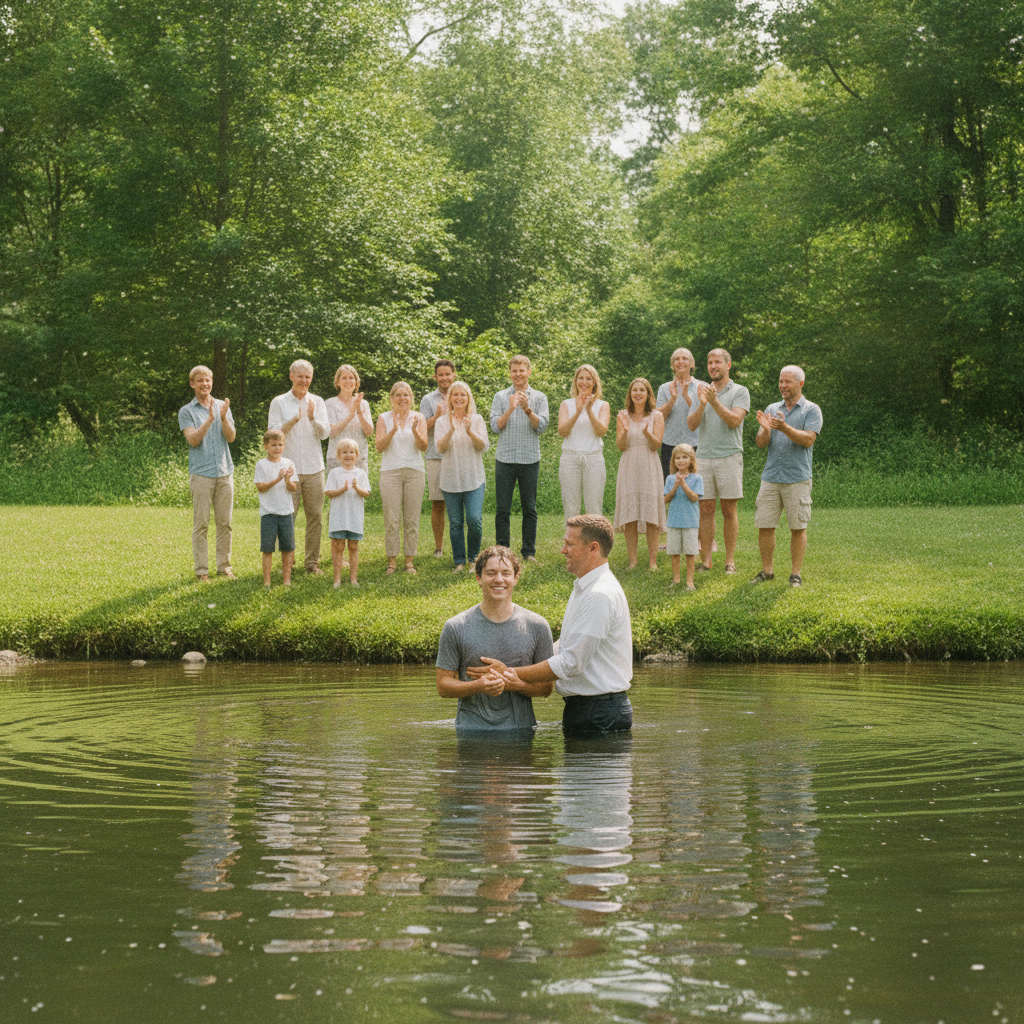
What Does It Mean to Say "Salvation Is a Person"?
When someone says plainly, “salvation is a person,” they're refusing to let doctrine stay theoretical. They're pointing us to Jesus as the rescue itself—not merely the rescue plan. That flips many assumptions about religion: it's not primarily about avoiding a label, performing rituals, or ticking boxes.
The Heart of It: Salvation is personal before it is procedural.
Behind the Words: When salvation is presented as a checklist, it flattens the Gospel into steps to complete rather than a presence to receive. The Bible invites us into communion with Jesus, not membership in a club.
Try This: Speak to Christ as a person in simple sentences—say, “Jesus, I need you right now”—and notice how honest speech reshapes your heart.
A young believer once summed it up in three words: “salvation is a person.” That phrase is short and dangerous—in a good way. It moves us from thinking salvation is primarily a one-time event to seeing it as a living presence that moves in us. Picture Simeon in the temple: when he saw the infant Jesus he declared, “my eyes have seen your salvation.” He had met the Person who is salvation.
"My eyes have seen your salvation."
— Luke 2:30
Behind the Words: Luke 2:30 comes from Simeon, a devout man promised by the Spirit he would not die before seeing the Messiah. He was not describing theology from a distance but naming an encounter—the Christ child who fulfilled God’s promise.
The Heart of It: Meeting Jesus changes everything because salvation is not an idea about us; it is a person for us.
Try This: Imagine walking into a quiet room and meeting a friend who already knows your history, your shame, and your hopes. Speak to Jesus as you would to that friend—say one honest sentence and wait for His presence to answer.
One common misunderstanding: some worry that calling Jesus “salvation” reduces Him to a role. It doesn't. It honors who He is: rescuer, healer, and companion.
There is power in language that shifts our focus from checking boxes to pursuing intimacy. Honesty can be messy. We will still sin. We will still stumble. But when Jesus is more than a concept—a living, present person—our failures are not the final word.
When Rescue Feels Like a Doorway
What does freedom look like after rescue? Many say, simply, “It was freedom.” That freedom first feels like amnesty—past guilt no longer haunts every decision. But it soon reveals itself as an invitation into transformation, not merely a legal release.
The Heart of It: Salvation begins freedom and invites transformation.
Behind the Words: Many think salvation is the endpoint of a religious journey, but Scripture paints it as the start of a lifelong walk with Jesus.
Try This: Treat baptism, confession, or your first prayer not as an exit sign but as the first step through a door you intend to walk through each day.
Think of someone once tethered to habits that wore down their soul. After trusting Christ they describe relief—no longer haunted by past mistakes, able to breathe and hope. That relief is real. But soon convictions flash like neon signs, redirecting them from old rooms into new paths.
The Holy Spirit will sometimes put “red lights” and even “neon signs” in our path to warn us away from places that will hurt us. Those convicting moments are not about shame for shame's sake; they are about reorientation toward life.
Picture this: it's midnight, bills pile on the counter, and the phone keeps buzzing with the same temptations that once helped you survive but now threaten your new life. In that cramped kitchen, freedom doesn't mean an effortless life; it means someone is there now—Jesus—inviting you to choose differently: call a friend, pray a sentence, step away from the quick fix.
A helpful practice is to relearn prayer as conversation, not performance. Images that make Christ feel near rescue prayer from requiring polished words; they remind us that Jesus is accessible and present.
The Heart of It: Freedom is not just release from what bound us; it is entering into the presence of One who will lead and sanctify us.
Try This: In the next tight, anxious hour, refuse to solve everything alone. Say a single sentence to Jesus—wake His presence in you—and then act on the small next step the Spirit gives.
New believers often swing between extremes—pretending they have it all together or hiding in private shame. The Christian community must give both space and accountability so freedom becomes growth, not license.
Living the Answer Together
We don't become mature Christians in isolation. The church is meant to guide the newly saved with patience, not jargon. That means translating big theological terms into bread-and-butter practices: consistent prayer, honest confession, and real relationships that press into life.
We can do better. Start by dropping the assumption that everyone shares your spiritual vocabulary. Ask simple questions: “What do you mean by that?” “How did that feel for you?” Stories—like Zacchaeus' tree—or devotions that make Christ feel near help words land.
Be tender with newcomers. Invite them to coffee. Teach them how to pray in one sentence. Help them practice confession in safe rhythms. And always point them back to the Person—Jesus—who is salvation.
If you're new and still confused, welcome to the family of those asking honest questions. If you've been around faith for a while, remember what it felt like to be new and speak gently. We don't have to be Bible scholars to be followers—only learners.
Come back to the simple truth: salvation is an encounter with a Person who rescues, dwells, convicts, and frees. That encounter changes everything—not by erasing the past at once, but by inviting you into a present with Him.
Let us walk with you. Let us explain words with patience. Let us share stories like Zacchaeus' tree and read devotions that make Christ feel near. And when the hard saying comes that names separation from God, let it push you—not into fear alone—but into the arms of the One who is the rescue.
Key Takeaways
- Salvation is not just a one-time event; it's a beginning of a transformative journey.
- Understanding the language of faith is crucial for engaging with new believers.
- Community support is vital for the growth of faith among youth.
- Emphasizing personal testimonies can make spiritual concepts more relatable.
- Salvation is best understood as a personal and relational experience.
Notable Quotes
"Salvation really for me was a freedom."
"Salvation is a person."
"We complicate things really much."
Related Articles
- Grow Your Walk: Trust, Forgiveness, Spirit
Learn how a deeper relationship with Jesus opens the way for forgiveness, healing, and the baptism of the Holy Spirit—practical steps for daily trust.