United in Christ: Healing Division, Standing for Life
When Christians live divided, the gospel loses its grip. Learn how unity, the pro-life witness, and the Holy Spirit shape a credible, compassionate testimony.
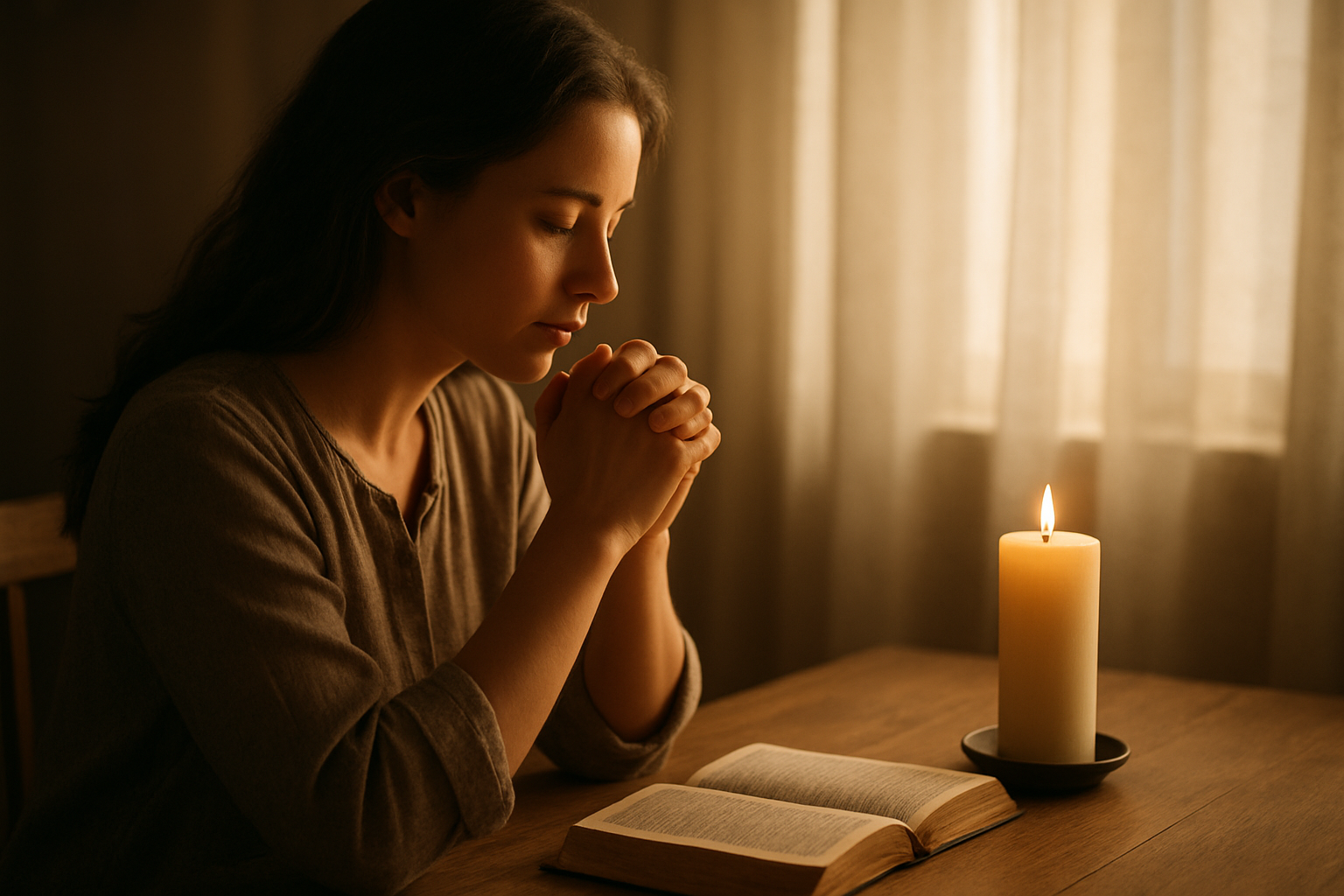
Why Christian Unity Matters for the World's Witness
When the church looks like a house divided, our gospel message loses credibility. John’s prayer—Jesus asking the Father that we may be one—was never a decorative add-on; it was strategic: so that the watching world would believe.
"That they may all be one; even as You, Father, are in Me and I in You, that they also may be in Us, so the world may believe that You sent Me." — John 17:21
Jesus ties unity directly to mission: visible oneness helps people recognize the reality of the Father’s sending. When our public witness is fractured, the world hears argument more than testimony.
The Heart of It: Unity is a central apologetic.
Behind the Words: Ephesians 2 was written to a divided audience—Jewish believers and Gentile converts—who were wrestling with who belonged in God’s family under the new covenant. Paul’s language of tearing down the dividing wall was political, cultural, and spiritual. He intentionally pictured the cross as the place where difference is reconstituted into new belonging.
Try This: Invite a non-Christian friend to an event where Christians from different traditions pray together. Watch how the sight of brothers and sisters truly loving one another shapes the conversation about the cross.
The Bible’s witness to unity isn’t sentimental. Ephesians pictures a first-century world split by law, custom, and memory, yet God’s design was to make one new humanity through the cross. That remains our story. Hiding our shared faith behind denominational gatekeeping makes the public see argument instead of testimony.
We have language to describe this: we are the new man in Christ. When we practice that reality, people notice. The hard truth is this: the disunity among us impedes our ability to tell the whole world. That should sting—and move us to repentance and repair.
How the Pro-Life Movement Can Build Christian Unity
Public causes either magnify our fractures or reveal our brotherhood. In the early days of the pro-life movement, Catholics, evangelicals, and other believers stood shoulder to shoulder for the unborn and discovered one another as siblings in Christ.
The Heart of It: Shared moral action reveals spiritual kinship.
Behind the Words: When Christians take public moral stands together, they practice solidarity that makes theological distance visible as fellowship. Shared labor softens defensive postures and surfaces personal relationship with Jesus across traditions.
Try This: Join a local life-affirming ministry where denominations explicitly commit to working together. Watch how shared service reshapes how you speak about doctrine and neighbor.
There is power in kneeling together in a clinic parking lot and then standing together at a community table to support a young mother. That cooperation often leads to testimony: "You never gave up on me." Those testimonies cross denominational lines and embody grace.
Practical unity in public witness requires humility. We don’t pretend differences vanish. Collaborating on the defense of life is not a merger of doctrines; it’s a mutual commitment to bear witness where the gospel and human dignity intersect. This work is both prophetic—calling society to higher moral standards—and pastoral—ministering to those in crisis.
Small human encounters become the glue of unity: a chance conversation in a waiting room, a neighbor introduced at a pregnancy center, a shared shift at a crisis phone line. These ordinary intersections, when approached with humility, lead to repaired relationships and renewed testimony.
When the Walls Come Down
Reconciliation sometimes looks cinematic—grand statements and public handshakes—but more often it is quieter: a shared meal, a confession, a remembered dream that softens a guarded heart. One vivid image a believer shared was a dream of Mother Mary entering a breakfast room, grief-stricken; it jolted people into empathy for sorrow they didn’t know they carried.
The Heart of It: Reconciliation is often tender, not theatrical.
Behind the Words: Grace moves through small, consistent acts—listening, visiting, taking communion together when possible. Paul’s body imagery (each member matters) reminds us that when one part refuses another, the whole suffers.
Try This: If you’ve never been to a liturgical service, go once with a posture of learning rather than arguing. Bring a friend and ask, "What moved you about that?" Let curiosity disarm critique.
Practical steps that loosen defensive instincts include prayer meetings focused on confession rather than critique, mixed community service projects where roles are intentional and shared, and repeated, humble storytelling. Over time these practices reshape posture into practice.
What Role the Holy Spirit Plays in Making Us One
Plans and programs have their place, but unity is ultimately the Spirit’s work. Scripture pictures the Spirit as the bond-maker—the one who unites hearts across cultural and theological distance. We are baptized into one body; the Spirit is the down payment on that reality.
"For He Himself is our peace, who made both groups into one and broke down the barrier of the dividing wall." — Ephesians 2:14
The Heart of It: The Spirit is the source and sustainer of unity.
Behind the Words: Without the Spirit, unity becomes a human project that collapses under pride. With the Spirit, unity carries perseverance, humility, and sacrificial love.
Try This: Begin a monthly prayer walk in your city with believers from multiple traditions. Notice where the Spirit opens conversations you never could plan on your own.
The kenotic pattern—Christ emptying himself—models how the Spirit works in us. When we empty ourselves of defensiveness, the Spirit fills us with affection for the church’s breadth. That’s how faith integrates fractured lives into a coherent witness.
A pastoral caveat: the Spirit’s work does not erase convictions. Instead, it reshapes how we carry them—less triumphalism, more tender witness. We remain truthful without being brutal; we defend truth without making it a wedge. In that way the watching world sees not a faction but a family.
We are not starting from scratch. Scripture, the sacraments, and real stories of shared action give us a map. Take the risk of humble presence: attend a neighboring congregation’s prayer night, stand shoulder-to-shoulder at a pro-life vigil, listen to the grief of a mother who has carried sorrow like a sword. Those small steps knit us.
Sin separates; grace liberates; faith integrates. Let that be our liturgy of repentance and repair. Go to work—together—to make our witness coherent and our love visible, so the watching world may believe.
A short prayer: Father, make us one people in Your Son. Teach us to bear one another’s burdens and to stand together for life. Fill us with Your Spirit so that our unity becomes a light that points to Jesus.
Key Takeaways
- Unity in Christ transcends denominational barriers.
- Personal relationships with Jesus are fundamental for all believers.
- Collaboration between different traditions can promote shared values like life and love.
- A surrendered life through grace can lead to personal transformation.
- Continual prayer for reconciliation is vital for an authentic Christian witness.
Notable Quotes
"Jesus Christ is the Savior. He is the Lord."
"We are one church."
"Sin separates. Grace liberates. Faith integrates."
Related Articles
- Standing With Israel, Standing Together
Practical, pastoral steps for standing with Jewish neighbors, addressing rising anti-Semitism, and building unity in the Body of Christ without erasing identity.