The Cross, the Resurrection, and Repentance
Facing death awakens hard questions: What happens after we die? The cross, the resurrection, and repentance answer with a path to forgiveness, hope, and new life.
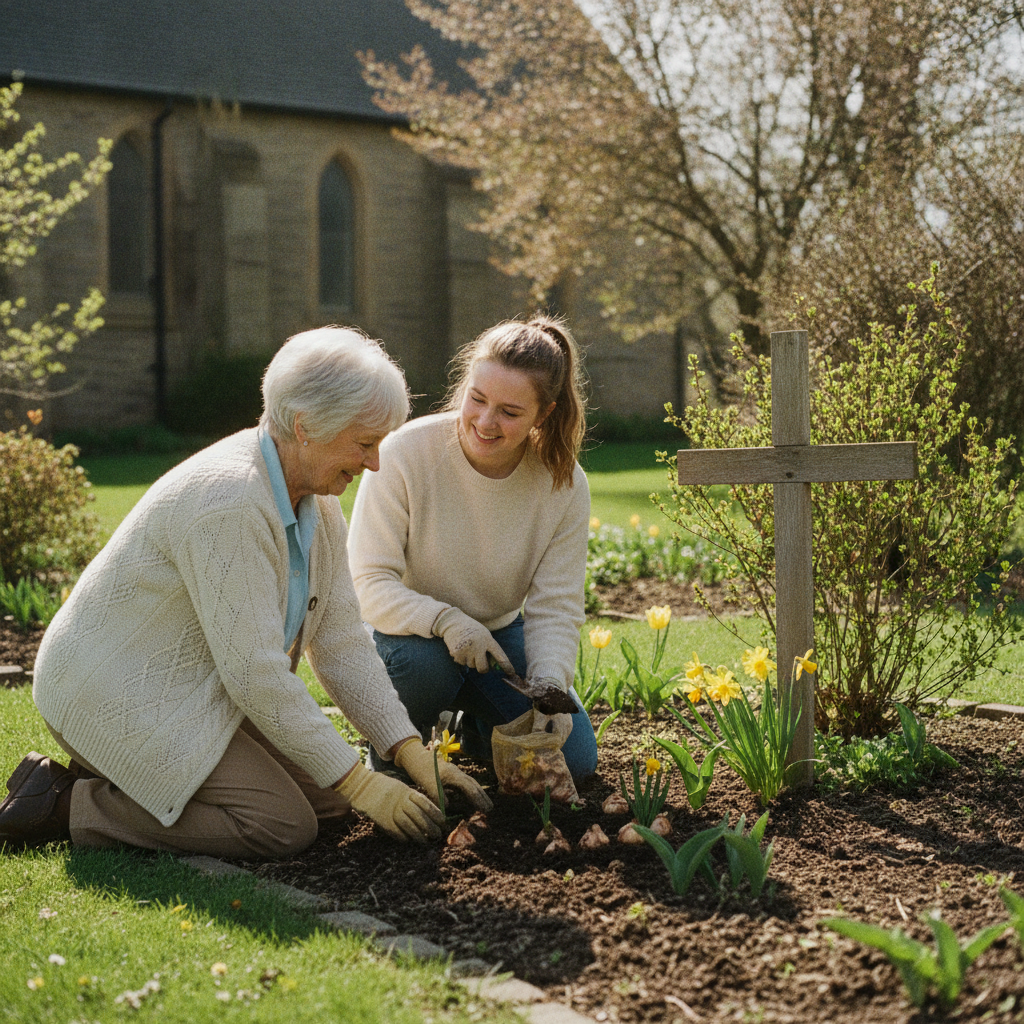
What unites the cross, the resurrection, and repentance?
There is one thread that runs through our fear of death and our longing for hope: the claim that God entered our danger to fix it. The cross addresses our guilt; the resurrection rewrites death’s verdict; repentance opens the door to both. These are not isolated doctrines to debate in the abstract. They are the grammar of a life reoriented toward God.
When we say the cross matters, we mean it changes how we stand before God. When we say the resurrection is real, we mean tomorrow is not the end. And when we say repentance is necessary, we mean your life can be different starting today—no waiting, no postponing.
Why the cross matters for your life
The cross is not primarily jewelry. It’s not a cultural symbol to wear without cost. The cross was a public execution—scarred, bloodstained, and brutal. One leader put it plainly: Jesus took what we deserved so we could stand forgiven.
"For God so loved the world, that he gave his only begotten Son; that whosoever believeth in him should not perish but have everlasting life."
— John 3:16
Behind the Words: John 3:16 appears in a private conversation between Jesus and Nicodemus, a religious leader wrestling with what it means to be born again. In that moment, Jesus offers hope not as a reward for religious effort but as a gift rooted in God's love.
The Heart of It: The cross tells us God loves us enough to pay the price we could never pay ourselves.
Try This: Picture the scene at the foot of a casket—the same human questions in your throat. Instead of proud silence, imagine kneeling and saying, "I can't fix this on my own. I need what You offered on the cross." Feel the relief of handing over the ledger of your guilt.
The Heart of It: The cross is the meeting place where God's justice and mercy collide.
This matters because your guilt does not merely embarrass God; it separates you from Him and must be dealt with.
- Practically, it means coming honestly to God about the wrongs you hide and trusting that Christ’s work covers them.
The cross also confronts the hardest truths about us. The blunt claim that "we deserve hell" is meant to wake us, not to keep us shamed. If we truly deserve judgment, then the cross is not optional—it is our rescue.
But the cross is never the final word. It points beyond its own wood to an empty tomb and a living Savior.
What the resurrection guarantees for us
Christian hope does not rest on sentimental optimism but on a concrete historical claim: Jesus rose from the dead. When those first women went to anoint a corpse, they found the tomb empty—"they went to the grave expecting to anoint a dead body." Instead an angel said, "He is not here; he has risen!" That is not metaphor; it is a claim about an event that reshapes everything.
"But now is Christ risen from the dead, and become the firstfruits of them that slept."
— 1 Corinthians 15:20
Behind the Words: Paul wrote to a church wrestling with skepticism about the resurrection. In the first-century world, bodily resurrection was a scandal to many, yet Paul insists that Christ’s rising is the guarantee that death will be defeated for those who belong to him.
The Heart of It: The resurrection means death does not have the last word for us.
Try This: Close your eyes and imagine walking toward a closed cemetery gate with someone you love who has died, expecting only earth and silence. Now imagine that gate swinging open because the same power that raised Jesus breathes new life into the future. Let that change how you grieve today.
The Heart of It: The resurrection secures our hope—not as wishful thinking but as a promised, witnessed act of God.
This is why mourning looks different for us; it is sorrow tempered by an irrepressible hope.
- Practically, we live courageously in loss because resurrection promises reunion and renewal.
This truth also rewires our ethics. If Jesus was raised, then the moral victory He claims is not theoretical. The resurrection becomes the source of our power to live differently now—forgiveness, courage, and a long view of justice.
How repentance changes our future
Repentance is the doorway. It is not merely feeling sorry. It’s a turn—an intentional, sometimes painful reorientation away from our self-directed ways and toward Christ. The invitation is direct: "Come to Christ." That summons is both gentle and urgent.
Repentance acknowledges our reality. The Bible teaches we have all gone astray; we are not just flawed, we are alienated. Repentance admits that the ledger of our life is crooked and that we cannot mend it ourselves. It is the posture of someone who sees their own hands stained and asks for washing.
The Heart of It: Repentance is not punishment; it is admission that opens us to transformation.
When we repent, we do more than promise to behave better; we accept a change of heart that only God can make.
- Practically, repentance looks like concrete changes—healing broken relationships, confessing hidden sins, turning away from patterns that harm others and ourselves.
Behind the Words: The call to repent echoes throughout Scripture as a response to God’s mercy. In the gospel narratives, repentance is often the first step people take when they hear the life-giving news of Jesus; it is not an optional add-on.
Try This: Imagine sitting at your kitchen table with bills and regrets spread out like evidence. Instead of rearranging the papers, say aloud: "God, I’ve cared for myself first. I need You to change me." Visualize handing the worst page to God and leaving the table lighter.
Now confront the honest sting: stating that "we deserve hell" breaks our arrogance. Breaking arrogance is the start of healing, not the end. If we truly deserve condemnation, then grace is the only fit response. Repentance invites us to receive that grace.
The practical gospel path is simple: admit the need, believe the work of Christ, and commit your life to Him. Saying a short prayer of trust is not magic; it is a visible, honest step into the mercy God offers.
Standing at the foot of the cross
We are, all of us, nearer to an ending than we imagine. That truth can terrify—or it can wake us up. When we stand at the foot of the cross, we see the full cost of our sin, but we also see the depth of God’s love. "God says, I love you." Those three words are fierce and tender at once.
The cross, the empty tomb, and the turn of repentance form a single route out of death’s dead end. The cross pays the price for our wrongs. The resurrection guarantees that death’s power is broken. Repentance opens the door to receive both.
If you are carrying unresolved guilt, begin with a simple sentence: I need help. If you are fearful of death, let the empty tomb breathe hope into your sorrow. If you have drifted from faith, remember that the invitation still stands—"Come to Christ." It is an invitation to life, to peace, and to a future shaped by resurrection.
We cannot promise your road will be free of pain. But we can promise a change in the center of your life: no longer defined by guilt, no longer enslaved by death, and no longer distant from the love that made the cross necessary.
Decide today to stop pretending death belongs only to other people. Let the reality of your need lead you to the only one who stood between you and judgment, rose victorious, and now offers you new life. Pray honestly, repent specifically, and receive the pardon that comes by faith. In that choice you will find a peace that hospital rooms and hearses cannot take away.
Key Takeaways
- Reflect on the reality of death and eternal life.
- Understand that forgiveness is found in Jesus Christ.
- Recognize the importance of repentance and faith.
- Embrace the hope offered through the resurrection.
- Share the message of the gospel with others.
Notable Quotes
"God says, I love you. I love you with an everlasting love."
"I want to tell people about the meaning of the cross."
"There is no other way of salvation except through the cross of Christ."