Soar Like Eagles: Leave the Chickens Behind
Stop pecking at scraps of fear—God calls you to leave the chicken yard and soar with eagles. Practice patient trust, guard your words, and invite the Spirit’s strength.
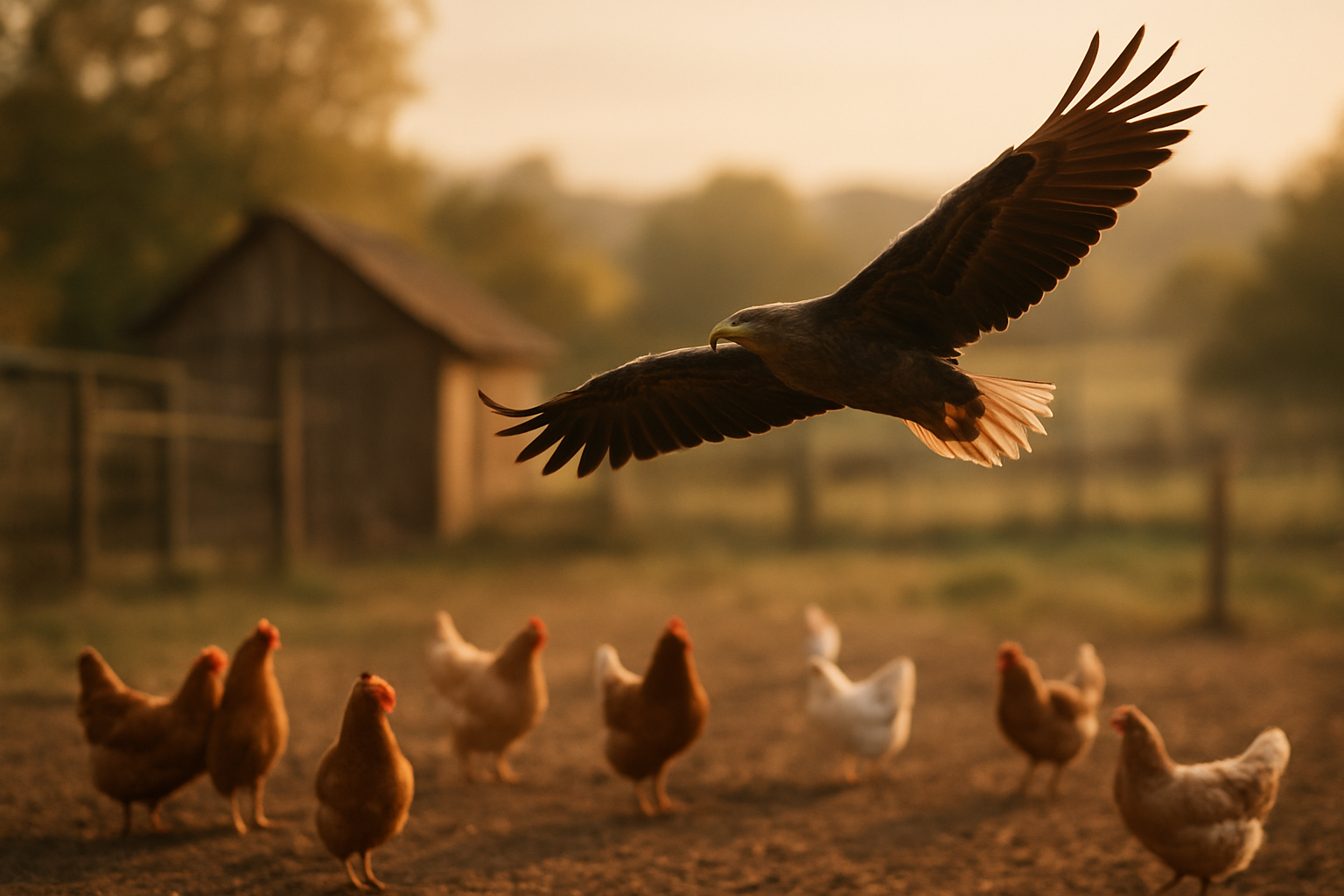
What does it look like to leave the chicken yard and truly soar?
Some metaphors hit because they’re vivid and a little uncomfortable. Picture the chicken yard: birds pecking, heads down, easily frightened, notable only for what they provide at the end. Now picture an eagle: majestic, riding thermals, able to fly where predators can’t follow. That contrast isn’t just colorful language—it’s a spiritual diagnosis.
"He gives power to the faint, and to those who have no might he increases strength... they shall mount up with wings as eagles; they shall run and not be weary, they shall walk and not faint."
— Isaiah 40:29–31
You were made to soar, not to peck in fear. This matters because God’s design for you involves vision and lift, not merely survival.
- Choose the upward posture of prayer and expectation; don’t settle for scarcity-talk.
The first step is practical and moral at once: stop doing what you know you shouldn't do. That hard line is a wake-up call more than a judgment. Resistance to obvious sin or self-sabotage opens space for God’s wind to move under your wings.
Notice the detail of the image: a chicken spends most of its time looking down, pecking in the dirt—easily frightened and little distinguished unless prepared for the table. The eagle flies higher and higher, using the wind beneath his wings; if threatened, he simply rises above. What if our spiritual life worked the same way? Instead of answering fear with more fear, we can ask God to lift us to a vantage point where problems shrink and perspective grows.
Practical scene: you stand at your kitchen window, bills on the counter, anxiety tightening your chest. Instead of echoing the voice that says, "We’ll never get out of debt," you close your eyes and pray, asking God for creativity and wisdom. Then you take one practical step—call a financial counselor, cancel a subscription, set a small savings goal. Small obedience invites the Holy Spirit’s lift and changes how you see the problem.
Behind the Words: Isaiah 40:29–31 was addressed to people exhausted by exile and long seasons of waiting. The promise of renewed strength came to a weary nation that had to trust God’s timing and provision.
The Heart of It: God renews strength by changing our posture—lifting our eyes and trusting him, not merely fixing circumstances.
Try This: Next time worry tightens your chest, say one truthful phrase out loud—"God gives power to the faint"—then take one tiny obedient step.
How does patience shape our spiritual strength?
We live in an era of instant results. Waiting feels like failure. But the Bible keeps returning to long seasons that prepared people for miracle and leadership. Think of prophetic promises fulfilled decades later or leaders who rose slowly from hardship to influence. Those timelines are not trivia; they’re testimony.
"You are my strength; I wait for you to rescue me. For you, O God, are my fortress."
— Psalm 59:9
Waiting is active, not passive. Patience grows faith muscles—resilience, discernment, humility—that instant fixes never produce.
- While you wait, cultivate rhythm: Scripture, rest, steady work, and honest confession. That is how spiritual muscles develop.
Two striking details illustrate this: David waited twenty years after God’s promise before he sat on Israel’s throne, and Joseph spent decades moving from the pit to the palace. Their waits were not wasted; they refined character and dependence on God.
When we wait, we’re not meant to shrink back and listen to fear. Waiting is faithful action: we continue to speak hope, plant faith-steps, and steward what we’ve been given. This isn’t naive optimism; it’s trust anchored in God’s character. Joseph’s time in prison refined his integrity and insight; David’s long nights on the run sharpened his dependence on God. If we refuse to trade God’s timetable for the world's quick fixes, our seasons of delay can produce the same results in us.
Behind the Words: Many biblical promises arrived after testing, exile, or delay. The original readers knew what it meant to wait for a God-sized deliverance.
The Heart of It: God’s timing often requires patient trust; the waiting season is where faith becomes tested and proven, not mere sentiment.
Try This: When impatience rises, write down one faithful action you can take this week toward what you’re waiting for, then do it. Repetition builds confidence that God is working even when results are slow.
Where the eagles fly: language and mindset that lift
This is really a question about mindset and speech. What we say to ourselves and others shapes the altitude of our lives. Words are not neutral; they create reality. The Bible warns us that "death and life are in the power of the tongue." That’s not hyperbole—it’s a spiritual truth.
"Death and life are in the power of the tongue..."
— Proverbs 18:21
Words shape the skies you fly in. If we talk like victims, we live small; if we speak like heirs, we open doors to God’s provision.
- Replace habitual negative phrases—"I’ll never get that raise" or "We never have enough"—with truthful confessions rooted in Scripture.
Practical image: "What we feed grows; what we starve dies." If we feed fear through constant complaint, fear flourishes. If we starve it by speaking God’s truth and taking tiny faithful steps, fear weakens.
Here’s a hard but freeing truth: don't do what you know you shouldn't do. Personal responsibility matters. Often defeat begins with small concessions: a lie told to cover fear, a purchase made to soothe, or a cynical attitude repeated until it becomes our gospel. Turning from those choices clears the runway for God’s lift.
Remember the Holy Spirit’s power. That power doesn’t bypass obedience; it empowers it. We don’t generate spiritual lift by positive thinking alone. We steward words, choices, and patience—and then invite the Spirit to do what only he can.
Practical scene: you’re in a carpool and someone begins to complain about the church budget, the boss, or their health. You feel the pull to agree. Instead, speak a short, faithful word: "God provides," or "We serve a God who brings hope." The temperature changes, and your own worry loosens.
Behind the Words: Proverbs addresses community life where speech directs culture—words can bind a people in despair or set them free into hope.
The Heart of It: Guarding our speech is guarding our future; language mediates spiritual reality.
Try This: Pick one recurring negative sentence you habitually say and replace it for 30 days with a Scriptural confession. Watch what changes in your heart and choices.
You don’t have to stay in the chicken yard. God calls you up, and he gives the wings. That means practicing holiness, waiting with faithful action, and speaking life into circumstances. Say the truth out loud: God gives power to the faint. Then do one small obedient thing this week that proves you believed it.
When you’re tempted to shrink back, remember the long waits that produced kings and deliverers. When you’re tempted to complain, remember that words shape skies. And when doubt whispers, hold to the promise of renewed strength: you can run and not be weary; you can walk and not faint.
Keep stepping toward the horizon—eyes up, words true, patience practiced—until you find yourself riding the thermals of God’s grace. Get up. Speak life. Wait well. The skies are waiting for you.
Key Takeaways
- Focus on spiritual nourishment to overcome challenges.
- Develop patience and trust in God's timing.
- Transform negative thoughts into positive affirmations.
- Embrace a mindset geared towards success and spiritual empowerment.
Notable Quotes
"When God has you, don't let the world get you."
"God wants you up where you belong, soaring in the heavenlies."