Sewing Hope, Restoring Lives
From sewing hats to helping returning citizens and survivors heal, faith-filled service stitches dignity back into broken lives—practical steps for churches to help.
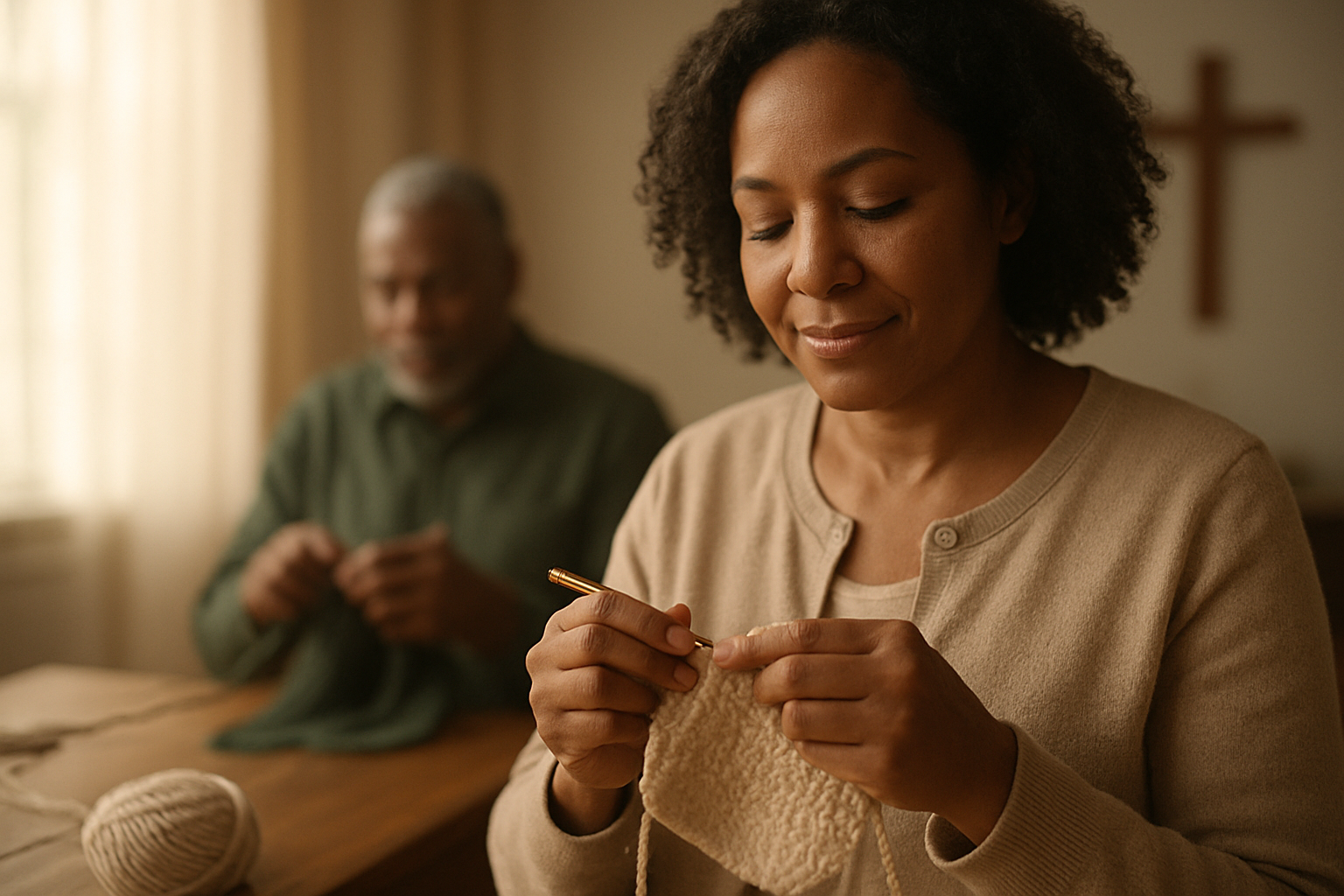
What difference can a sewing ministry make in a hurting community?
A sewing room can look like an unlikely front line for compassion. But when hands cut, press, stuff, and stitch, ministry takes a shape people can touch. Project Comfort—the sewing ministry housed in a small church—produces thousands of items that meet practical needs: pillowcases for crisis centers, Velcro vests for NICU preemies, small multipurpose pillows for women in chemotherapy. Each piece is a gift and a sermon: someone cared enough to make this.
The Heart of It: A handmade gift carries dignity.
Behind the Words: Practical items meet daily needs and say, without words, "You are not invisible."
- When we give with skill and prayer we honor the person who will use it.
There is power in ordinary details. Some designs are affectionately called “frou-frou hats,” while other pieces are rugged—denim blue and hunter green—made specifically for a homeless outreach.
A sewing ministry invites people who think they have nothing to offer. You don’t need to know how to use a machine to be part of the work. Novices learn from experienced hands; volunteers pray before they sew; donated machines and fabric fund the operation and allow the ministry to send teams overseas with machines and training so women in developing communities can sew for their families and earn income.
A single finished quilt might go to a veteran in hospice to warm them while they’re alive; later the family can keep a pillow or quilt to remember that their loved one was touched by someone’s care. That continuity—comfort in life, comfort for those who grieve—matters because ministry is never only about the object. It’s about presence.
Behind the Words: In Jesus’ teaching about the sheep and the goats, he looked at those who fed the hungry, clothed the naked, and visited the imprisoned and said that in serving them we serve him. Jesus frames acts of mercy as the measure of a faithful community.
The Heart of It: Loving practical service is worship in action; when we meet bodily needs we obey Jesus’ heart for the marginalized.
Try This: Picture your church’s fellowship hall turned into an assembly line of blessing. Imagine a young mom at a chemo infusion, pressing a small pillow to her chest and feeling—just for a second—that she is not alone. What could your hands make that would say that to someone else?
"For I was hungry and you gave me food, I was thirsty and you gave me drink..." — Matthew 25:35-36
Those verses confronted first-century listeners with the social reality of discipleship: faith produces care for the poor and vulnerable. Today, the sewing table is a modern embodiment of that same call.
Practical ways this grows the church’s witness: invite new volunteers, train returning citizens (job-skill overlap), and package gifts as carefully as you would prepare a meal for a grieving neighbor. The Gospel is often best argued with a stitch and a listening ear.
How can churches help former prisoners rebuild their lives and belong again?
When a person comes out of prison they often face a second, quieter incarceration: paperwork. One returning citizen described the first obstacles as the basics—birth certificate, Social Security card, driver’s license. Without these, employment and housing remain closed doors. Churches that partner with reentry ministries break those barriers by helping secure documents, offering resume workshops, and connecting people to jobs.
The Heart of It: Second chances must be practical as well as spiritual.
Behind the Words: Forgiveness without access is incomplete; the Gospel frees the soul and a community must help free the life.
- Help with documents, training, and bus passes demonstrates that the church believes in restoration.
Support for former prisoners matters because labels become walls. When a congregation insists on calling someone "a person who has sinned and been restored" instead of a lifelong tag like convict or felon, it changes how employers, neighbors, and even family members see them.
Love-Justice-style ministries within churches do two critical things. First, they create programs—digital learning, life skills, resume writing—that give practical competence. Second, they build relationships that model accountability and belonging. A returning citizen who once served thirty-one years told of the relief he felt when someone helped him navigate the mundane but necessary tasks of reentry. Those hands-on acts make faith real.
There is also a spiritual dimension: many who have been incarcerated come to know Christ during confinement. The shift from "I am defined by my worst act" to "I am a new creation" needs a community to hold it. Churches provide mentors, employment referrals, and the slow work of friendship that carries someone from survival to flourishing.
A hard saying we must wrestle with is this: when the world says someone's story is over, God says it's just the beginning. That is comforting but also convicting—because if God is beginning a new chapter, we are invited to be the hands and feet that write it.
Picture a small office in your church where volunteers help a newcomer sit down and fill out forms; where, across the table, someone teaches how to build a simple online profile for job applications. A bus pass rests on the chair—it gets someone to their first interview. That simple presence rescues dignity.
This work also calls the church into advocacy: contact lawmakers to remove unnecessary legal barriers and challenge stigmatizing language like "offender" in hiring processes. Restoration is a community project—one that requires patience, funding, and vision.
When brokenness meets a hand that will not leave
Trauma recovery is honest about two things: healing is long, and it is holy work. Rest Stop Ministries takes this seriously by offering long-term, trauma-focused care for survivors of sex trafficking. Women arrive "broken in body, mind, soul, and spirit," and the program’s structure recognizes how deep the wounds run. Recovery involves clinical case management, therapy, and steady practical steps—driver’s licenses, dental care, job training—so that healing is holistic.
The Heart of It: True restoration holds both the wounded heart and the battered practicalities.
Behind the Words: Trauma rewires trust and capacity; spiritual renewal must be paired with skills and stability.
- Provide long-term support—therapy, education, employment—so faith can take root in a life that can sustain it.
One powerful detail: a ministry purchased a 25-acre property to expand its work—turning a place once tainted by exploitation into land of refuge. That is theology embodied: where evil once held sway, good will grow. The residents work a nine-month curriculum called Good Hope Farms, learning paid, hands-on job skills so they are ready to support themselves when they transition out.
This approach refuses the false dichotomy between grace and structure. A survivor who comes to Rest Stop receives the message that courage is not only getting through the door but staying for the work of healing.
Behind the Words: Isaiah 61 originally spoke to a people returning from exile, announcing good news to the oppressed and binding up the brokenhearted. It proclaims that God’s mission includes restoration after deep loss.
The Heart of It: God’s gospel is a project of repair—of binding wounds and restoring life into fractured communities.
Try This: Imagine a woman who has never had a full set of teeth, arriving ashamed and afraid. Picture her months later, smiling with new dental care, working a paid shift on the farm, and saying, "I can stand on my own now." What would it take for your church to be part of that picture?
"The Spirit of the Lord God is upon me, because the Lord has anointed me to bring good news to the poor... to bind up the brokenhearted..." — Isaiah 61:1
Treating trauma with reverence means avoiding quick fixes. Clinical therapy, community accountability, job training, and safe housing all form a web that catches a woman when she is ready to move forward. That web is faith in action.
One more scene: a former resident now working at a short-term rehab facility, offering her story as a lamp for another woman in the dark. That cycle—someone carried, then carrying others—is the spiritual multiplication the church longs to see.
Closing encouragement
We are learning a simple but radical rhythm: show up, meet a real need, and refuse to let labels decide a person’s future. Whether it’s someone sewing a hat and praying over it, a volunteer helping a returning citizen get a birth certificate, or a house that provides two years of steady care after trafficking—these are the small, costly things that become gospel.
If you’re wondering where to begin, ask your church two questions: who needs a steady hand in practical ways, and who needs a long-term presence to believe that life can begin again? Then take one small next step—teach someone a skill, donate materials, offer interview coaching, or open your home to mentoring.
Remember the direct words that will help steady us: "stitching more than just fabric." That is not a slogan—it’s a ministry model. When someone says, "Just stay strong. You've come this far. It's not over," say it again with them, and then show them how the next door opens with paperwork, therapy, or a job application.
We serve a God who delights in turning endings into beginnings. So take a thread, pick up the needle, and join the work of restoring lives.
Key Takeaways
- Every act of kindness can make a significant difference.
- Community support is essential for healing and recovery.
- Faith in Christ can transform individuals and families.
- Second chances are vital for those who have stumbled.
- Practical help, like job training and rehabilitation programs, is crucial for reintegration.
Notable Quotes
"In a small church room in Norfolk, Virginia, a group of women is stitching more than just fabric."
"Just stay strong. You've come this far. It's not over."
"The reward is I have a relationship with Jesus Christ now."