Music, Unity, and Faith in Action
How concerts, radio, and festivals can deepen faith, model racial unity, and fund mercy—practical steps to support artists and clothe the homeless through shared action.
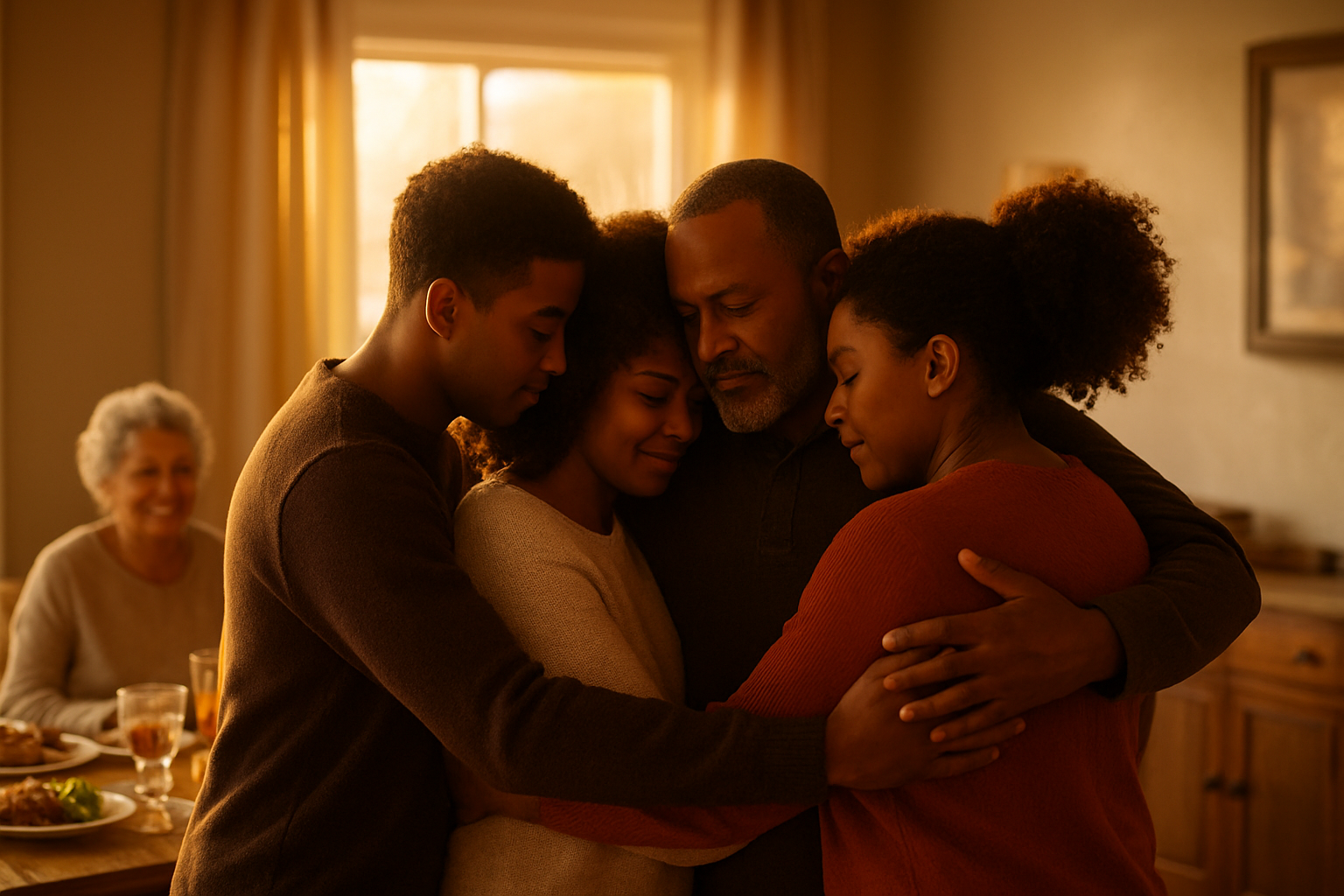
When the Crowd Hears More Than a Song
You know the instant at a concert when the lights dip and the whole room leans in—when people stop checking their phones and start singing together? It's loud. It's messy. It's holy. In that moment, strangers become a single voice.
We’ve felt that electricity in local airwaves and at packed venues. The radio that once reached a few neighborhoods now carries further; the message is clearer. We get to go up in power. That line is more than excitement about better reception—it’s a picture of how faith and media can amplify one another.
Central thread: Why music, media, and mercy belong together
Music draws people. Media multiplies reach. Mercy gives those moments purpose. When the song ends, what remains is whether we were moved toward one another and toward the poor, the lonely, the outsider.
Across the city and online we’re seeing a faith-and-media movement—concerts that aim to be worship, radio that aims to be revival, festivals that model unity. But these are not ends in themselves. The practical question is stewardship: how do we hold the platform and the moment so they produce lasting kingdom fruit?
We want to lift up artists, fill auditoriums, and fund outreach all at once. That’s the unifying thread that follows.
Why the Deep Hits Tour 2023 still matters for the church
A big tour has always been more than music; it’s a mobile pulpit. When promoters line up artists and thousands show up, the church gets a rare opportunity: to speak into culture where people actually are.
Large Christian tours create shared language. When a chorus repeats, believers learn theology in real time. Songs become shorthand for prayer, confession, and hope—words that stick long after the night ends.
The Heart of It: Public worship shapes private faith. When we sing theology in crowds, doctrine moves from books into life.
- Buy a ticket, yes—but also listen for what the music teaches you afterward.
Those nights are also a training ground. Young people who have never felt at home in a church building can find belonging at a festival or arena concert. A stage that mixes Christian rock, rap, and alternative music widens the welcome.
We must be honest: big shows can become entertainment without transformation. The hard saying—"But you gotta take off your mask."—is a call to authenticity, to show up not as an image but as a real person longing for God.
How do we move from spectacle to soul care? Start with stewardship of attention. Meet people at the merch table with a conversation, not a pitch. Invite the person behind you to coffee and ask about their faith story. Offer to pray—not a showy prayer, but a short, honest one that names real needs.
Picture this: the lights go down, the band finishes, and a father and daughter get in the car. Instead of immediate silence, they play the recorded sermon or talk through a lyric. The father asks, "What line grabbed you?" The daughter's answer opens a doorway—into discipleship, conversation, the church.
That’s the long game of the tour: turning a crowd’s high into household practices of faith.
How the Worlds Collide Music Festival can bridge racial and cultural division
When two worlds meet onstage—different traditions, different musical languages—the risk is friction, and the reward is reconciliation.
The Worlds Collide Music Festival was conceived to do exactly that: bring influential artists from across racial and cultural lines together and show unity in action. It’s not just a lineup; it’s intentionally framed to be filmed, televised, and shared so many will see faith expressed together.
Behind the Words: Ephesians was written to churches wrestling with real differences—backgrounds, histories, and hurts. The letter’s call for unity addressed congregations that needed practical pathways to live together.
"Make every effort to keep the unity of the Spirit through the bond of peace." — Ephesians 4:3
The Heart of It: Unity is an active pursuit, not a passive feeling.
Try This: Picture a festival entrance where people of different skin tones, ages, and musical tastes hand out water bottles and greet one another. Imagine a small tent where volunteers intentionally listen to someone's story before offering a seat at a local small group.
A festival that names division and then models how to cross it gives people permission to change. It matters that the event will be filmed and shared: watching Christians praise together on a screen cracks the myth that faith communities must stay segregated.
Practical choices make unity possible. Booking artists who reflect different traditions matters. Programming onstage conversations about race matters. Logistics—seating, signage, food options—matter because they either welcome or exclude.
The deeper work happens in encounters. In a backstage moment, an elder leader might ask a younger musician, "Tell me what your people need," and then actually listen. That exchange—simple, respectful, patient—sends ripples into local churches.
We should name the fragile hope in such events. Some will attend as curious observers. Others will expect the festival to solve systemic problems overnight. Both can be disappointed if leaders don't guide sustained work afterward.
Imagine a woman sitting with a new friend she met in a worship line. They share stories—faith, pain, hopes—and exchange email addresses. Months later, they're part of a bi-racial Bible study that alters how two congregations serve a shared neighborhood. That’s tangible reconciliation grown from a festival stage.
The Heart of It: Visibility invites accountability. Bringing diverse voices into shared spaces creates opportunities for honest conversation and long-term partnership.
- Start a local listening table after the festival and commit to three months of meetings.
When the crowd becomes church: concerts that fund mercy
Large events can do more than inspire—they can fund and catalyze mercy efforts.
A station’s push to expand reach involved applying to triple our radio signal so more neighborhoods hear the message. Expanded reach matters because it lets us invite more people into shared projects—like a fundraising drive to deliver a thousand hoodies for the homeless.
Merchandise sales, ticket add-ons, on-site kiosks, and online campaigns become tools to resource outreach. When people buy a hoodie, they receive two things: warmth and a connection to a story of care. That converts participation into mission.
Behind the Words: Jesus’ parable of the sheep and goats sharpens the point—they’re judged by how they treated the hungry, the naked, and the stranger. He tells this to a community that expected grace without action; the context is a final reckoning where compassion is the sign of genuine faith.
"For I was hungry and you gave me something to eat, I was naked and you clothed me... Truly I tell you, whatever you did for one of the least of these brothers and sisters of mine, you did for me." — Matthew 25:35-40
The Heart of It: Worship that does not overflow into mercy is incomplete.
Try This: Picture the volunteer tent after a concert: neighbors handing out hoodies, church teams bundling sandwiches, young people offering warm drinks. A woman receiving a hoodie looks up with relief—not for warmth alone but for being seen.
There’s practical architecture to make this happen. First: plan the campaign months ahead—connect with shelters, set clear goals (like the thousand hoodies), and craft the ask for the event. Second: use every channel—radio, social media, on-site kiosks, and the merch table—to create a simple pathway to give. Third: report back publicly; show photos of deliveries and short testimonies so donors see impact.
A caution: fundraising can flatten relationships into transactions. The hard saying—"But you gotta take off your mask."—cuts here, too. We don’t just send goods; we accompany with dignity. Tie a hoodie to a conversation, a referral, an ongoing relationship when possible.
Imagine a young volunteer slipping a hoodie over a sleeping man’s shoulders and then kneeling to ask his name, his story, and what he needs next. That is mercy with a face. That is faith in action.
The Heart of It: Generosity multiplies when it’s personal. Gifts become gospel when they carry a relationship.
- After any campaign, connect donors with at least one story or follow-up from the field.
What we will do next
We are living in a season where music, media, and mercy can converge. That convergence is a stewardship challenge. Do we use louder radios and bigger stages to entertain, or to disciple? Will festivals be spectacles, or training grounds for unity? Will merchandise be merch, or a means to clothe someone who freezes on a winter street?
We can do this together. Support the local station as it expands its platform—remember the phrase, "We get to go up in power!"—but don’t let signal be the only measure of success. Turn tickets into invitations, concerts into small groups, and merch into mercy.
Start small this week: buy a ticket, bring a friend who doesn’t usually come to church, give to a hoodie campaign, or volunteer for a shelter delivery. Then tell the story. Show the pictures. Share the names.
When the crowd leaves the arena and the lights come up, let our churches be places where those echoes last. We worship with our voices—but we follow with our hands.
Key Takeaways
- Support local Christian artists through donations and attendance at events.
- Engage in community building and outreach to foster unity.
- Stay informed about upcoming events and participate actively in faith-based initiatives.
Notable Quotes
"It's a great place for you to connect as well to all the different people."
"Imagine what we can accomplish if we spend more time investing and building up the kingdom of God."