How the YMCA Shaped Faith, Sports & Young Leaders
Explore how a humble meeting place grew into a global movement, why sports mattered to ministry, and how young leaders turn obedient faith into cultural change.
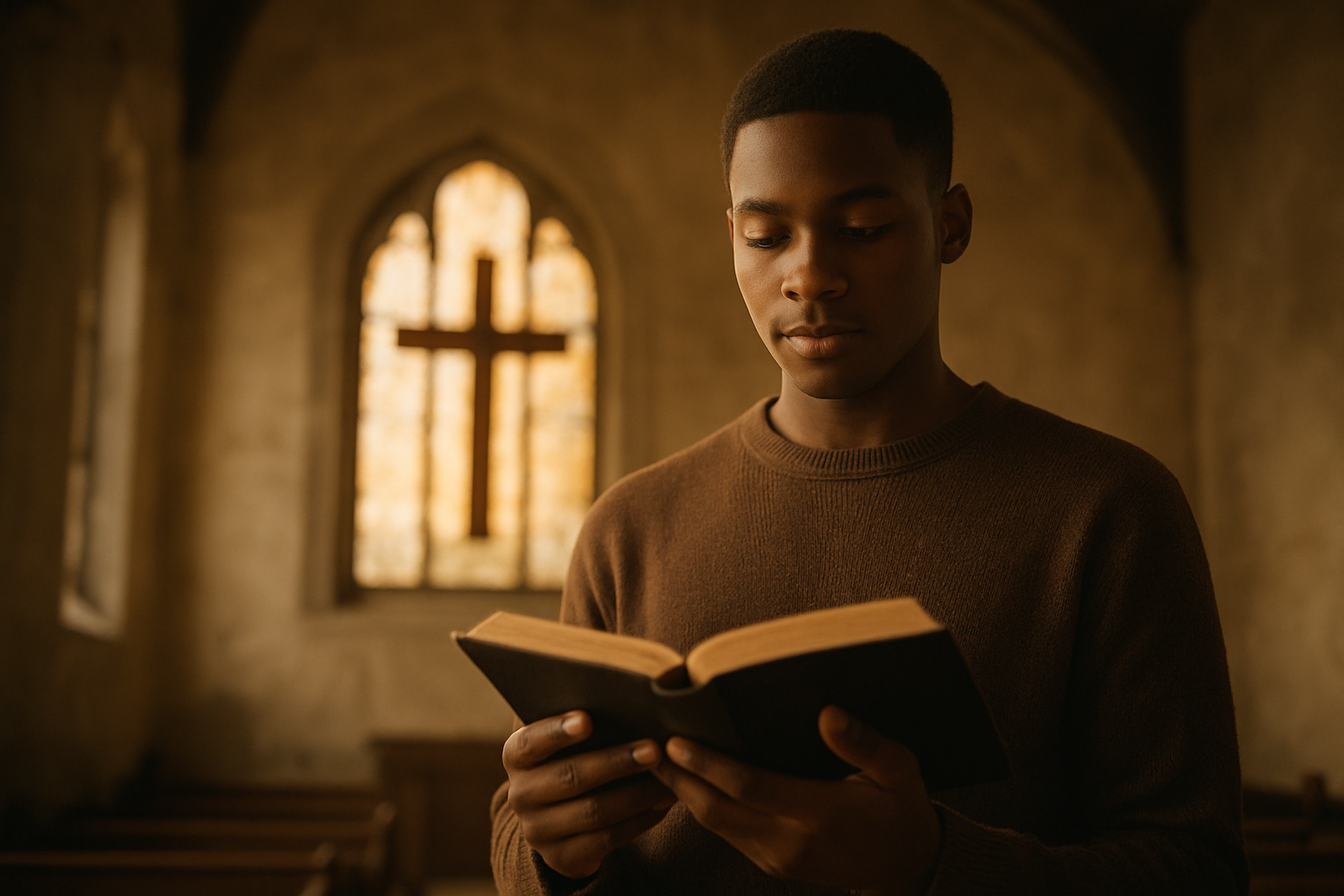
How the YMCA began and changed history
A simple building with benches, Bibles, and a place to wash sounds humble. The YMCA began because someone saw urban migration and moral danger and responded with a practical refuge. In industrial cities, young men left the fields for crowded streets and found themselves exposed to new temptations. Into that gap a meeting place offered prayer, Bible study, and physical exercise—integrated care for body, mind, and soul.
The movement spread quickly because it matched spiritual formation with everyday needs. It was ministry in a gym, ministry in a reading room, ministry that asked both: do you want to follow Jesus, and do you want a place to belong? That combination made it more than charity; it became culture-shaping.
A striking detail: the original thirteen rules for basketball were written at a YMCA in 1891. That was no accident; sports were chosen deliberately to invite young men into friendship and into conversations about faith.
The Heart of It: True spiritual influence often meets ordinary needs first.
Behind the Words: The New Testament letters were written to congregations wrestling with real-life struggles—division, poverty, persecution. When Paul wrote to churches, he addressed practical life before he lectured on doctrine.
Try This: Picture the young factory worker stepping into a plain hall after his shift. Instead of a lecture, someone hands him a towel, shows him where the Bible is, and invites him to a game or a conversation. That ordinary welcome becomes a doorway.
The YMCA also brought chaplains and organized relief to battlefields, and leaders from its ranks helped form cross-national efforts that would later echo in international humanitarian work. A homey answer to urban loneliness became an incubator for ministry innovation and social care.
A direct truth from those stories: courageous Christianity intentionally enters hard places. It was practical, not merely rhetorical. Because it was practical, it lasted.
Sports as a tool for gospel ministry
At first the idea feels odd—sports and Scripture in the same sentence. But history shows the two were braided from the start. Young men were invited to play and compete with integrity, and in the process they built relationships in which the gospel could be shared. The ball court became a classroom for character.
Imagine a gym with benches and hymnbooks side by side; picture a coach who sees training as physical discipline and moral shaping. That model framed sport as preparation for life and service. In early ministry work, basketball and volleyball emerged not as mere pastimes but as pastoral strategies to reach those who wouldn’t come to a pew.
The inventor of basketball drew up the first rules in a YMCA setting because the goal was ministry. It was a small, creative answer to a pastoral problem—how to gather restless crowds—and the solution exploded globally. The sport carried the church’s values into schoolyards, public spaces, and eventually the Olympics.
The Heart of It: Ministry that meets bodies where they are often opens hearts to the gospel.
Behind the Words: In the Gospels, Jesus taught with everyday images—seeds, fishermen, banquets. His parables met people where they were and then drew them toward truth. Sports ministry follows that missional pattern.
Try This: Picture a smoky gym on a Friday night. You invite a neighbor’s son to play. After the game you don’t give a sermon; you hand him a cup of water, ask about his life, and listen. Weeks later, he hears the story of Jesus from someone who has earned his trust.
On a practical level, sport creates rhythms where trust forms. Weekly practices, travel teams, and post-game conversations are repeated touchpoints for discipleship. Athletic settings demand character—discipline, teamwork, humility—so spiritual lessons land with credibility.
There’s grace in using the ordinary to host the extraordinary. That blend of Bible study and athletics helped the movement stick and scale.
How young leaders can change culture today
What if the culture needs not only older experts but courageous twenty- and thirty-somethings willing to show up? History shows youth movements often pivot nations. Young leaders took meetings, turned them into organizations, and those organizations reshaped communities—through schools, hospitals, and public campaigns.
A key pattern: a young person meets God, receives a mission, and keeps showing up. In one early account a revival preacher knelt in the woods for hours and later described the experience as "waves of liquid love." That encounter moved him from private conviction to public calling; he began to preach with urgency and logic, drawing people to decisions and altar responses. The ripple touched many movements and institutions.
Youth agency multiplied the impact of faith: organizing Sunday schools, forming volunteer corps in hospitals, serving as medics and chaplains in conflict zones. When young people act, systems shift.
A hard saying deserves unpacking: "You have to be strong to keep the bad person from attacking the women and the children." This is convicting because it treats strength as moral duty, not mere cultural preference. It’s not a license for domination; it’s a call to protective responsibility. Strength without gentleness is empty. Strength used to rescue, defend, and serve aligns with the biblical charge to defend the weak and to be salt and light in a bruised world.
The Heart of It: Youthful courage invests energy in protecting and building community.
Behind the Words: When Paul urged believers to exercise spiritual discipline, he wrote from an athletic culture where training led to victory. He addressed real effort and real cost as prerequisites for lasting fruit.
Try This: Picture a small group of twenty-somethings who meet weekly—some to pray, some to tutor children, some to attend school board meetings. One runs for a local board, wins, and begins to shape curriculum. A seed planted in a fellowship hall becomes policy.
Practical steps are simple but costly: find a local meeting place, serve consistently, gain practical skills, and refuse the lie that youth equals inexperience. Our culture needs the energy and risk-tolerance that young leaders uniquely possess, tempered by vulnerability and humility. Courage without compassion becomes brutality; so raise leaders who are strong to rescue and gentle when they do.
When a single obedience becomes a tsunami
Stories repeat: someone prays in solitude, receives clarity, and obeys a small but specific call. That obedience—quiet, sometimes risky—sets far-reaching consequences in motion. One person who refuses to hide their faith or who says, "I have a retainer from the Lord," will not only change their own life but will release others into service.
This is not sentimental triumphalism. Obedience can lead through failures, dead ends, and seasons of suffering. Yet the common thread is perseverance. Ministries that shaped schools, hospitals, and humanitarian organizations started small—Sunday classes, reading circles, a spare room in a church—and then spread because people persisted.
Inventive ministry frequently arose from practical problem-solving. When leaders struggled to hold young men's attention, they invented new ways to gather them—games, clubs, classes. From those solutions sprang entire institutions. Basketball and volleyball started as pastoral answers to restless energy and later became cultural mainstays. That domino effect reminds us ministry need not always be high rhetoric; sometimes it needs better programs.
Some will call courage aggressive or nostalgic. Courage is not nostalgia. Courage is fidelity to truth and a willingness to serve in word and deed.
So what small, obedient thing is God asking you to do? Will you open a room for people to belong? Invite one restless neighbor to a practice or a study? Train to lead with strength and compassion? One faithful act, repeated, becomes a wave that cannot be contained.
A final encouragement from the stories: be emboldened. Courage does not mean brashness; it means confidence in God and compassion for the vulnerable. It means refusing small comforts that isolate us and choosing the difficult work of building community.
History shows a pattern repeated again and again: encounter with God, simple obedience, scalable institutions. The YMCA began when someone created a place for young people to belong. Sports were used not as distraction but as ministry tools. Young leaders—trained in body, mind, and spirit—became carriers of transformation. If we want renewal, cultivate the same posture: pray deeply, act practically, and invest in the next generation.
This week: invite a young person to a shared activity, offer a consistent hour of service, and pray in the quiet, asking, "What small place are You asking me to open?" When we answer, ordinary obedience becomes extraordinary change.
Key Takeaways
- Courageous Christianity is essential for affecting societal change.
- Historical figures can serve as role models for today's challenges.
- Engagement in community and youth leadership is vital.
- Faith can transform individuals and entire communities.
- The legacy of one person’s faithfulness can inspire many.
Notable Quotes
"What happened to courageous Christianity?"
"You have to be strong to keep the bad person from attacking the women and the children."
"One person's obedience to God's prompting can lead to a legacy that impacts generations."