Faith, Community, and Lasting Recovery
When faith meets faithful community, recovery becomes lasting—explore how receiving Christ, joining others, and finding purpose restore lives from addiction.
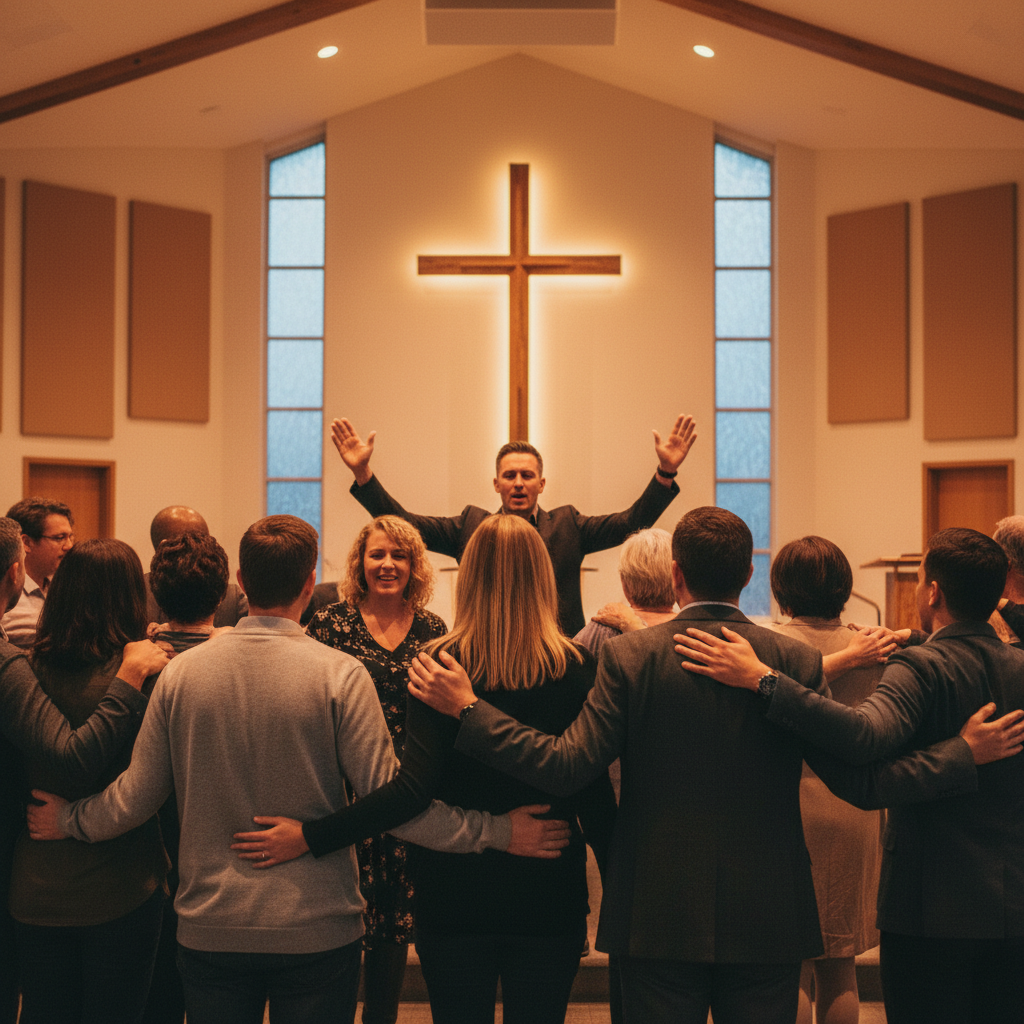
Why faith matters in recovery
Faith isn't a trite slogan or a last resort; it redirects desire. Scripture puts it plainly: belief is not passive—it receives, and it is given power.
"As many as received Him, to them gave He power to become the sons of God." — John 1:12
That line reminded first-century Jewish and Gentile readers that receiving Jesus meant being welcomed into God's family with authority and identity—not merely forgiveness on paper. In a world where identity was fixed by birth and tribe, this was revolutionary news.
The Heart of It: Belief that receives Christ changes who you are at the root, not just what you do. Addiction often speaks to our need for identity—who we are when no one is watching.
- Start a steady rhythm: a short morning prayer, a verse, and a confession of reliance on God before the day's first temptation.
There are testimonies that sound impossible until you remember the Holy Spirit's role in breaking chains. One person described being "born again" not as erasure of the past but as a reorientation of the life that followed. Another said that "as many as received Him" became a literal transfer of power to stand against sin.
Behind the Words: John 1:12 was written to a community that felt powerless—exiled spiritually and socially. Saying "you can be a child of God" was a countercultural, identity-building statement in the face of shame.
The Heart of It: Identity in Christ supplies internal authority to resist patterns that once controlled us.
Try This: Imagine the morning you would have reached for your drug or drink. Picture opening your hands instead and saying out loud, "I am a child of God today." Hold that image for thirty seconds, then speak one truthful sentence about who God makes you to be.
Common Misunderstanding: Receiving Christ is not a magic switch that removes temptation instantly. It begins a process—one that invites the Spirit to reshape desires and decisions.
Faith, then, is not merely a tool for moral improvement; it is the soil where new identity grows. When you believe and receive, you are not just trying harder—you are being re-membered into a family that empowers change.
How community restores what addiction steals
Addiction isolates. It strips relationships, housing, work, and hope. Recovery programs that focus only on the individual miss the social repair that must happen for healing to stick. Faith-based recovery says: we belong together, and we will do the heavy labor of restoration as a body.
The Heart of It: Community is the furnace where accountability, compassion, and second chances are forged. Without it, relapse is more likely because wounds go untreated and shame festers.
- Invite one trusted person into a weekly check-in that includes prayer, Scripture, and a simple plan.
Consider a concrete image from real stories: someone so far gone they hid in a field in a ghillie suit, face painted—desperation had morphed into camouflage when the soul was untended. Now consider the flip: ministries and households opening doors. One ministry rents to about 80 people with felony records, turning empty rooms into stepping stones for those who would otherwise fall through the cracks. That is practical grace: community saying, "We will house you, feed you, and help you learn a trade so you can stand again." It looks messy, administrative—and holy.
A faith-based model trains people to be both tender and disciplined. Discipleship programs move men from prison to praise and women from addiction to motherhood. The rhythm usually includes work, Bible study, counseling, and mentorship—each piece holding a different kind of scaffolding around a fragile life.
Inside those programs you hear honest lines like, "I called Mama," or the resolute, "I'm done." Those moments name both dependency and desire. Community sustains the choice behind the words.
Behind the Words: Romans 10:9-10 ties confession and belief to public and private commitment. As Paul wrote:
"If you declare with your mouth, 'Jesus is Lord,' and believe in your heart that God raised him from the dead, you will be saved. For it is with your heart that you believe and are justified, and it is with your mouth that you profess your faith and are saved." — Romans 10:9-10
Those verses emphasized that mouth and heart together display genuine turning toward God.
Try This: Picture a table where one person shares a short confession of failure and another offers one practical promise for the week. Make that table real—invite two people and keep it regular.
Community also has seasons: it must protect, correct, and forgive. Long-term recovery often includes transitional living, where people learn to hold down jobs, pay rent, and be accountable. Those practical habits are not small; they breathe dignity back into lives addiction tried to steal.
From the field to the family: purpose keeps us standing
Finding purpose in recovery is the next vital step. Once the immediate crisis is addressed—detox, shelter, admission of need—the deeper question arrives: why stay free? Purpose answers that. It turns rescue into calling.
The Heart of It: Purpose transforms recovery from escape into mission. When we have something bigger than ourselves to live for, the pull of old patterns loses power.
- Identify one person you can serve this month who will not ask you to change—then serve them anyway.
Hard things are said in recovery that demand pastoral tenderness. One raw line goes, "I can get up and I can go back and live for that devil or I can live for Jesus." It reduces daily faithfulness to a plain choice—confronting, clarifying. Admit the binary isn't simplistic; it's realistic. Each morning offers moral choices. We will fall. We will repent. Framing the day as a sequence of small, salvific choices helps you rehearse living for Jesus rather than for the old pattern.
Purpose can look like mentoring a young person just out of prison, joining a discipleship program, starting a transitional job, or helping furnish a room for someone who needs it. A couple who began a small business to hire people in recovery turned employment into ministry. Another ministry moved from 18 beds to 92 because neighbors believed God could multiply spaces for restoration.
Picture waking before dawn, lacing boots, driving to a shelter, and spending two hours teaching someone to write a resume. You come home exhausted—but full. You sleep knowing your skills were lent to someone's comeback. That is purpose anchoring recovery.
Behind the Words: Jesus’ call to follow often landed people into new work—fishermen became fishers of men, tax collectors became heralds of mercy. Original audiences reoriented daily labor around kingdom purpose.
Try This: Choose one practical way to give your time next month—two hours a week mentoring, one weekend helping clean a transitional home, or teaching a skill. Picture the person you'll help and write a short note to them before you begin.
Purpose helps forgiveness land. People in recovery long for restored families. Purpose brings us into that repair work—not as therapists but as servants, confessors, and steady friends. It turns "I was in addiction" into "I was in addiction, and now I help people find housing, jobs, and faith."
Practical steps that link faith, community, and purpose include joining a discipleship program, committing to a weekly accountability group, and offering one unpaid hour to serve someone in need. These small moves stitch you back into both God's story and the neighborhood's wellbeing.
We are not alone in this work. The Spirit offers power, the table offers witnesses, and purpose gives the long game. If you stand at a crossroads—temptation on one side, a new life on the other—remember this simple, hard truth: the choice to live for Jesus is made afresh each morning, and it is best held in community.
If you are ready, take a small step today: call a safe person, visit a local church or discipleship program, or join a recovery house that pairs practical help with Scripture and mentorship. Bring your scars. Bring your questions. Bring the story you think is too ashamed to tell. We will meet you there—and together we will practice a new way of living.
Resources for next steps include finding a local discipleship program, looking into transitional living houses that focus on work and training, and asking a trusted friend to pray with you daily as you rebuild. You were never meant to do this alone; you need not start perfect—you only need to start.
Be brave enough to say, "I'm done," and tender enough to let others help you build the life you were given.
Key Takeaways
- Faith in Jesus is crucial for overcoming addiction.
- Personal testimonies can inspire and offer hope to others.
- Community support plays a vital role in recovery.
- The Holy Spirit empowers individuals to change their lives.
- Prayer and dedication to God are key components of recovery.
Notable Quotes
"When you give your life to Jesus, you've got the power."
"I learned that if you want to do His will, you will."
"God has done so many amazing things that I can't even express all of them."
Related Articles
- Counting the Cost: Faith, Recovery & Family
Counting the cost of following Jesus reshapes recovery and rewrites family stories. Choose surrender, build steady habits, and let God change your bloodline.
- Freedom from Addiction Through Faith
When addiction breaks us, faith rebuilds identity. Honest testimonies and faith-based discipleship show how surrender, small steps, and community lead to lasting freedom.
- When Faith Faces Compromise: Paths to Recovery
When small compromises become footholds, addiction finds a home. Learn how refusing compromise and embracing faith-based recovery can lead to lasting transformation.