Dominion in Sport: Faith, Influence, Practice
What if the authority you feel on the field is meant for stewardship? Learn how faith reshapes influence, service, and daily practice in the life of athletes.
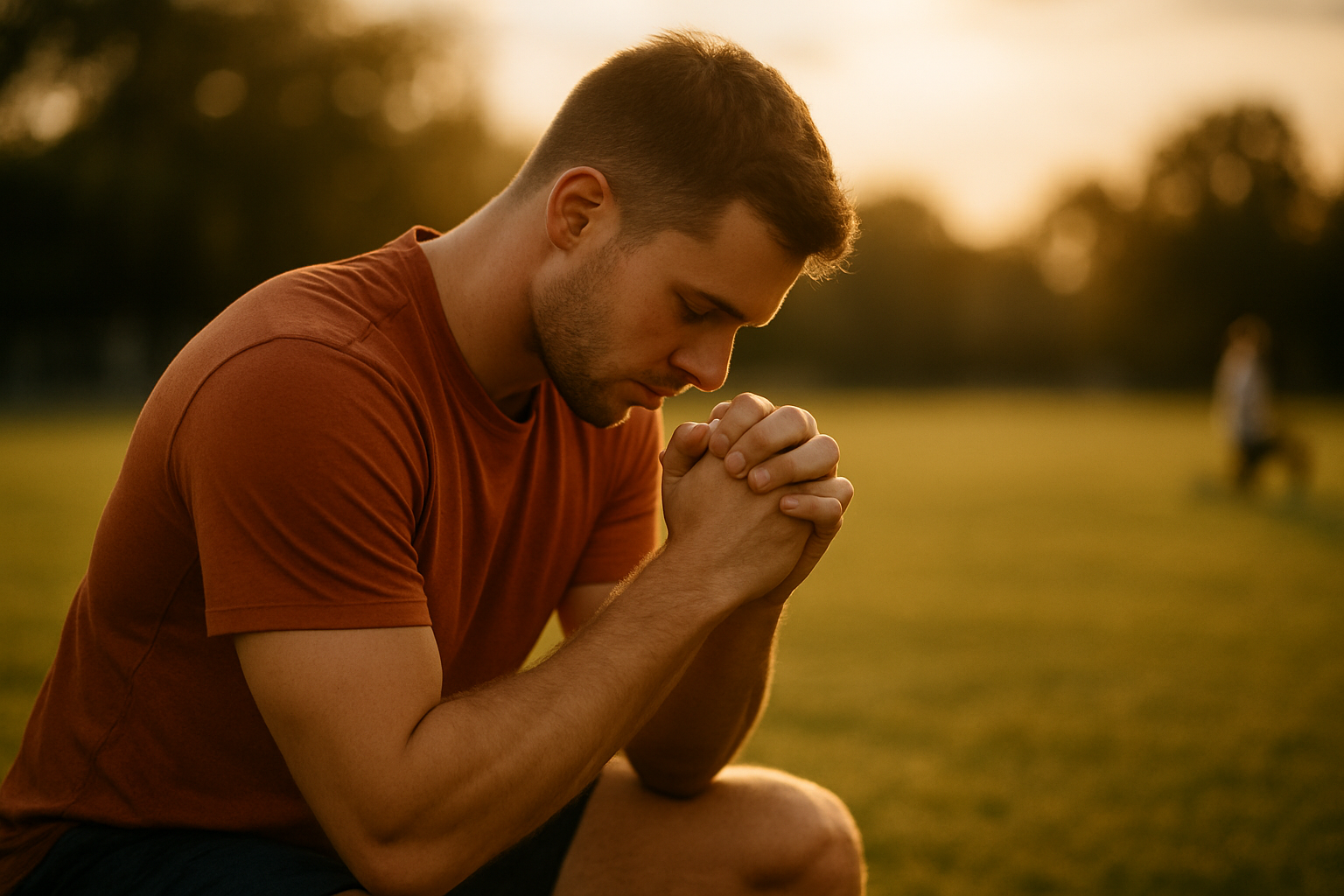
Dominion in Sport: Faith, Influence, and Daily Practice
Bring your faith into the locker room, the training room, and the quiet hours after a loss. Picture a stadium that empties and a living room lamp that stays on—where the same heart that battled for yards now kneels to pray for a teammate who’s struggling off the field.
You and I live where two worlds meet: high-pressure performance and deep spiritual calling. When we steward the influence given to us, our wins and losses start to point to something far larger than a box score.
Quick Hook
What if the authority you feel on the field is meant to be translated into everyday stewardship off it? That question changes how we treat success, failure, and the people who follow us.
What ties sport, faith, and community together?
There’s a single thread that runs through elite coaching rooms and quiet prayer closets: the choice to steward authority instead of hoarding it. That thread shows up in a phrase that has lingered in conversations about athletes of faith: "deciding to dominate comes from dominion." It reframes dominance—not as selfish control, but as responsibility.
A small, unforgettable scene captures the idea: an older family member sits a child on her lap under a low branch and passes down a word about authority and purpose. That image is almost sacramental—a tender transfer of identity and calling.
When an athlete says, "Every Day is Game Day," they mean more than preparation for a season. They mean presence. They mean that spiritual disciplines and public life shouldn’t be compartmentalized.
"Every Day is Game Day."
God gives authority for us to serve. How we use it determines whether sport becomes a platform for kingdom work or a stage for self.
Why does faith matter in a sports career?
Faith grounds identity when the scoreboard does not. Contracts and roles change; who you are in Christ does not.
For many athletes this truth becomes a practical discipline: you show up to practice with humility to be coached and courage to care for younger players, you hold your temper when trash talk rises, you pray in the locker room when the temptation to numb or boast is loud.
The Heart of It: You are more than your performance.
Tether your worth to performance and you become fragile—afraid of every off day. Practically, this reshapes routines: quiet time before a game becomes as important as film review.
There’s real power in the language athletes use. One simple line says, "We are the hands and feet of the Father here on the earth." That is ministry language repackaged for the field.
A pastoral word about struggle: one personal testimony cut through the glamour: "I prayed for God to take the taste of drugs and alcohol out of my mouth because I couldn't stop in and of my own self." Those words expose how fragile and human even public figures can be, and they invite mercy and practical help.
Behind the Words: Genesis 1:26 says, "Then God said, 'Let us make mankind in our image, in our likeness.'" In its creation context, humanity is entrusted with care over the newly formed world. This is not a license for exploitation but an invitation to stewardship in relationship with the Creator.
The Heart of It: Dominion is stewardship; God’s authority in us is for serving others, not elevating ourselves.
Try This: Picture a dim training room after a loss. A rookie sits with his head down. Instead of lecturing, kneel beside him, place a hand on his shoulder, and ask, "How can I help you through this?" Let your influence feel like an open door rather than a closed fist.
A common misunderstanding is to equate dominion with domination. Dominion does not excuse harshness; it requires humility.
When faith forms the bedrock of identity, discipline, recovery from injury, and media scrutiny fit into a larger story. That perspective keeps us steady when the season gets chaotic.
How can athletes be a positive influence in their communities?
Being influential in public life invites responsibility. The platform of sport brings cameras, endorsements, and young eyes watching every move. Influence can point people toward something life-giving, or toward self.
Sometimes influence shows itself in the little details that follow a conversion or recommitment to faith. One athlete remembers a pivot by date—"October 26th of 2010"—a day when private surrender began to shape public witness.
Young fans emulate what they see. That’s why mentorship matters. The athlete who spends time in a community center, who shows up two nights a week for a small Bible study, who listens before speaking—this athlete models what faith looks like in ordinary circumstances.
The Heart of It: Influence is stewardship, not spectacle.
The people watching are real—teens, parents, neighbors—who will interpret faith by actions more than speech. Practically, choose visibility that serves: volunteer at after-school programs, mentor a high school player, or donate time rather than broadcasting every act for applause.
Behind the Words: Jesus says in Matthew 5:14–16, "You are the light of the world... let your light shine before others, that they may see your good deeds and glorify your Father in heaven." He was speaking to a visible, vulnerable minority community under Roman rule; the point was to live visibly righteous lives so attention points to God, not the person.
The Heart of It: Let your actions illuminate God’s goodness; public life should encourage private holiness.
Try This: Imagine a Saturday morning pickup clinic for kids. Instead of arriving late and leaving early for PR, arrive early, sweep floors, talk to parents, and stay late to teach a drill. A young player watches you help another kid tie his cleats. He remembers who helped him feel seen.
A common misunderstanding is thinking influence requires constant spotlight. Influence often grows in kitchen-table conversations and consistent small acts. The platform amplifies mistakes; when you stumble, how you handle the fall can become the most persuasive sermon anyone ever hears. Public repentance done with humility can redirect influence toward restoration rather than scandal.
When the crowd goes quiet: practicing dominion every day
Athletes are taught rituals: pregame playlists, visualization, film study. The same intensity used for physical preparation can be channeled into spiritual rhythms.
A former player put it plainly: "When I come to myself and realize, boy, you went way to the left, I can start again. I can start over again." That names the daily reality of spiritual correction—the minute-by-minute decision to return to prayer, ask for mercy, and serve again.
The Heart of It: Daily dominion is a series of small, faithful choices.
Daily practices compound into character. One prayer repeated, one apology made, one act of service performed—over time these form a witness stronger than any headline. Practically, frame a daily ritual: five minutes of silence before meetings, a short prayer on the team bus, a scripture memory before tape study.
"My prayer was, Father, show me what true intimacy is. I want to be intimate with you."
Start with the basics: confession, gratitude, and asking for opportunities to serve. These recalibrate a heart accustomed to performance metrics.
Think of an athlete in a hotel room the night before a big game. Instead of numbing with screens, they kneel by the bed, speak a short prayer, and imagine using the influence they will have to encourage a younger player. That small, private choice repeated becomes the habit of stewardship.
There is grit in this life. The toughness that drives you through rehab should drive you through repentance and restoration.
When someone admits, "I prayed for God to take the taste of drugs and alcohol out of my mouth because I couldn't stop in and of my own self," we shouldn't hide the story. It becomes a portrait of surrender we can learn from. Our pastoral response should be mercy plus practical help—accountability partners, clear routines, and community resources.
Final word: living a life that points elsewhere
We are spectators, competitors, donors, mentors, and worshipers all at once. The invitation is not to abandon excellence; it’s to orient excellence toward service.
When we embrace that our field is also a pulpit and our fame a responsibility, we stop performing for applause and start living to point others toward God.
So ask: how will you steward the authority given to you this week? Who will you serve? Where will you choose humility over headline?
You are where you belong. Show up—on the field, in the neighborhood, in the living room—and decide, daily, to steward dominion for the sake of others.
"We are the hands and feet of the Father here in the earth."
— a phrase offered as a reminder of purpose
Key Takeaways
- Embrace the authority given to us by God.
- Success in sports can be a reflection of spiritual principles.
- Community involvement is crucial for athletes.
- Regular prayer enhances personal and spiritual growth.
- Mentorship can have a lasting impact on future generations.
Notable Quotes
"Deciding to dominate comes from dominion."
"The understanding and by giving myself to God again."
"You are where you're supposed to be."