Agape in Action: Love God, Love Neighbor
Can we love God with our whole selves and still serve our neighbors? Practical steps for agape that bandage wounds, pay the inn, and teach others to love.
What is agape love in Scripture?
We talk about love constantly—texts, movies, politics—but the biblical word agape pushes past sentiment into stubborn, costly commitment. Agape is not sentimentalism; it’s a way of life ordered toward God and others.
"'Love the Lord your God with all your heart and with all your soul and with all your mind.' This is the first and greatest commandment." — Matthew 22:37–38
Behind the Words: This command was Jesus’ summary of the law. He wasn’t inventing a catchy slogan but pointing back to a lifelong call: our whole life, interior and exterior, is to be oriented toward God.
The Heart of It: Loving God involves our affections, our thinking, our decisions, and our work in daily life.
Try This: Picture your morning: the phone buzzes. Instead of letting anxiety steer your choices, speak a short prayer, then choose one action today that embodies love for God—an honest conversation, a pause for worship, an extra hour of focused, faithful work.
The Heart of It: Agape is a lived commitment, not a mood. Loving God changes what we watch, who we serve, and what we resist—because our desires get ordered to a greater love.
Try evaluating one habit this week: does it help you love God with your mind, heart, soul, or strength?
We learn this in the apprenticeship rhythm of discipleship: "watch one, do one, teach one." That phrase captures how love forms us—by seeing Jesus, practicing his ways, and pointing others to the same path. When we love God with our minds, we bring our work and tastes under Scripture’s scrutiny. When we love God with our strength, we invest time and energy into what matters to him.
Too often our culture collapses agape into a feeling or a brand. Remember this sharp question: if people were to look at the bumper sticker on you, would it read love or something else? That asks whether our life broadcasts love or something quite different.
We don’t start perfected. We begin by doing things that show love—prayer, worship, honest work—and trust the Spirit to make the heart follow.
What does the Good Samaritan teach us about loving neighbors today?
The parable answers a real, anxious question: who counts as my neighbor? The hearer wanted a tidy rule. Jesus gave a living picture instead.
"A man was going down from Jerusalem to Jericho, and he fell among robbers, who stripped him and beat him and departed, leaving him half dead." — Luke 10:30 (paraphrased)
Behind the Words: Jesus told this story in reply to a lawyer who asked, "Who is my neighbor?" The original listeners knew deep divisions between Jews and Samaritans. So the shock of Jesus’ story is that the merciful stranger is the one the audience least expected.
The Heart of It: Love of neighbor refuses prejudice and acts with mercy, whether or not the person seems deserving.
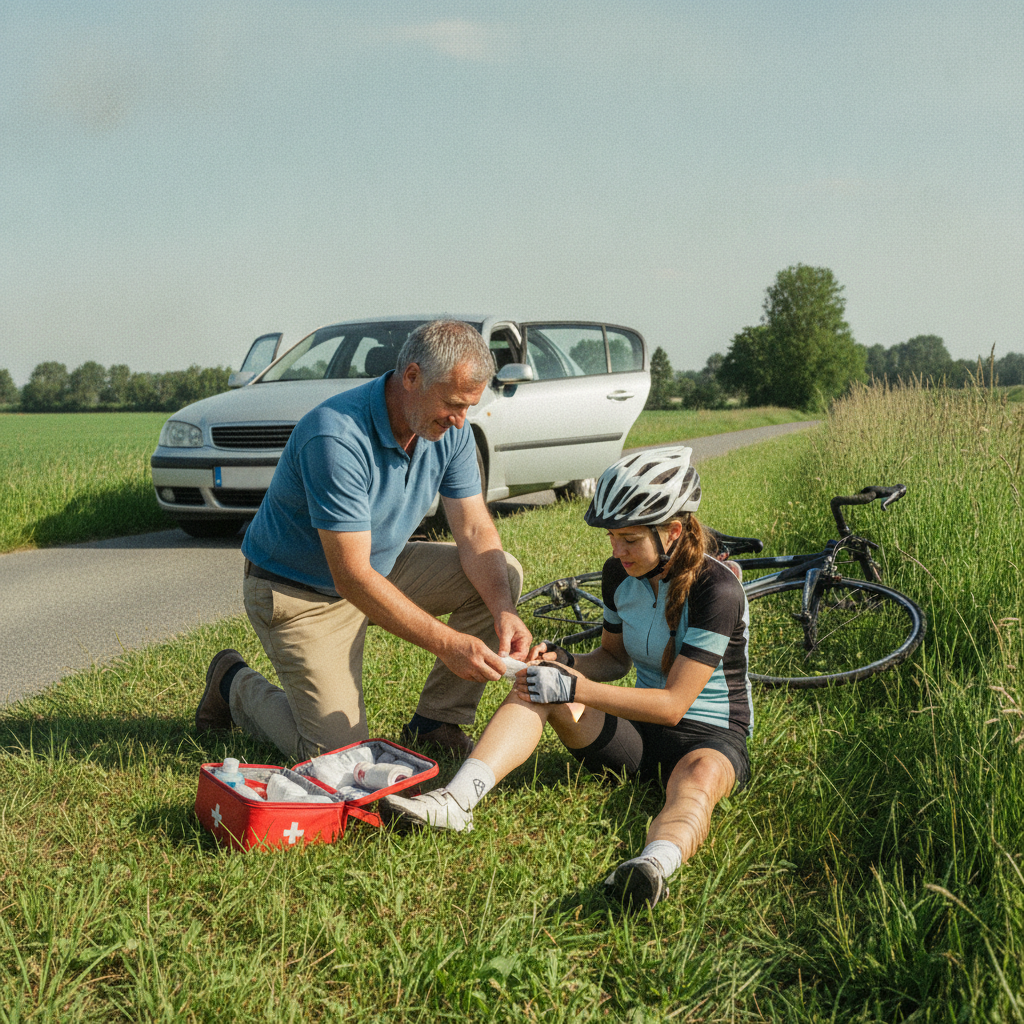
Try This: Picture the Samaritan kneeling beside the beaten traveler: he "bandaged his wounds, poured on oil and wine, put the man on his own donkey," and paid for his care. Now imagine doing one small, sacrificial act this week for someone you would normally pass by—pay the bill for a neighbor whose politics annoy you, or make a call to a lonely person you’d rather ignore.
The Heart of It: Compassion does practical things. Jesus’ story lists concrete steps: look, get down, bind wounds, provide transport, pay the inn. Love is procedural and sacrificial.
Practice one practical act: give time, money, or hospitality in a way that costs you something.
The parable also clears moral fog. There is no qualifier about the victim’s deservingness. The Samaritan doesn’t ask a litmus test about worthiness; he responds. The details—bloodied on the roadside, bypassed by a priest and a Levite, rescued by a Samaritan—force us to notice the scandal: God’s mercy often arrives from the margins.
Consider how we venerate saints yet freeze in imitation. Meeting an extraordinary Christian can make us admire from afar rather than do the awkward, ordinary neighborly work before us. Jesus refuses that distance. He says, in effect, "Go and do likewise." That command is a call to mimicry, not mere admiration.
And when we act, we risk—time, reputation, comfort. The Samaritan delayed his plans, put himself at risk of the same robbers, and opened his wallet. That’s the cost of neighbor-love.
When mercy changes the route of our plans
How do we form a life where loving God and neighbor becomes reflex, not obligation? Discipleship trains the heart by practice, story, and example. The rhythm of "watch one, do one, teach one" helps translate belief into habit.
The Heart of It: Discipleship is apprenticeship that shapes both heart and hands. If we only argue theology and never bandage wounds, our theology is incomplete; if we only patch wounds and never worship, our mercy is shallow.
Choose one apprenticeable habit: invite a younger Christian to watch you pray, serve, or have a hard conversation—and then teach them what you did.
We learn to love by watching others and by being watched. Someone once remarked they'd "never, ever" display a Christian symbol on their car; the point behind that jest is simple: how we present our faith matters because people are watching and making judgments. The question remains for us: is what people see a demonstration of love?
Living agape in community also means shared resources. The Samaritan "put the man on his own donkey" and "paid the inn." Love often requires putting what we have into someone else’s hands. This might look like clearing out your wardrobe for charity, sharing baby clothes, or setting up a small automatic gift to a church outreach that meets real needs.
There’s a prophetic edge here, too. Isaiah demanded a faith that loosens chains and feeds the hungry. The discipline of fasting gains meaning when it pushes us toward justice: "Isn't this the kind of fasting I have chosen? To loose the chains of injustice...to share your food with the hungry." When our worship does not produce works of mercy, the fasting is hollow.
Practical discipleship also means we model love for the next generation. Young Christians watch what we do. They will either emulate our compassion or reject it as inauthentic. So the smallest private acts—stopping to listen, bringing someone home for a meal, paying an unexpected bill—become teaching moments.
"'Love your neighbor as yourself.'" — Matthew 22:39
Behind the Words: Jesus added this to the command to love God, showing that the two are inseparable. In Hebrew thought, communal life meant interdependence; to love God rightly was to love the people God put around you.
The Heart of It: Loving neighbor is not optional for those who love God; it's the necessary fruit of that relationship.
Try This: Imagine a neighbor with a problem you can solve—lawn mowing, a ride to an appointment, or simply bringing a meal. Choose one and do it without announcing it. Let your action teach someone else to do the same.
One common misunderstanding is to think that loving neighbor only means large public acts. Jesus’ parable shows both small and large—bandaging wounds and paying the inn—and both matter.
We live in a culture that fragments the word love into slogans, feelings, and marketable ideas. The gospel reclaims it as costly choice and steady practice. Love is not a feeling but an action, and the kingdom’s test is not our correct slogans but our bent knees and outstretched hands.
So let us build a discipleship that trains eyes to notice the wounded, hands to bind wounds, and feet to change course when mercy calls. Ask yourself honestly: if someone checked your life as a bumper sticker, what would it read? Then do one costly thing this week that matches the answer you want on that sticker. Go and do likewise.
Key Takeaways
- Love is an action that requires commitment and effort.
- Discipleship involves following Jesus' example in loving God and others.
- Practical acts of kindness demonstrate love and compassion.
Notable Quotes
"For love is not a feeling, but an action."
"'Love the Lord your God with all your heart and with all your soul and with all your mind.' This is the first and greatest commandment."
"Love the Lord your God with all your passion and prayer and intelligence."
Related Articles
- Living Well: Love, Learn, Leave Your Comfort Zone
Discover how agape love, lifelong learning, and stepping out of comfort zones shape a faithful, joyful life—practical, biblical steps for daily growth.