After the Vote: Faith, Fear, and Unity
After the vote, Christians face a choice: retreat into fear or step into humble action. Learn how prayer, charity, and courageous love can heal divided communities.
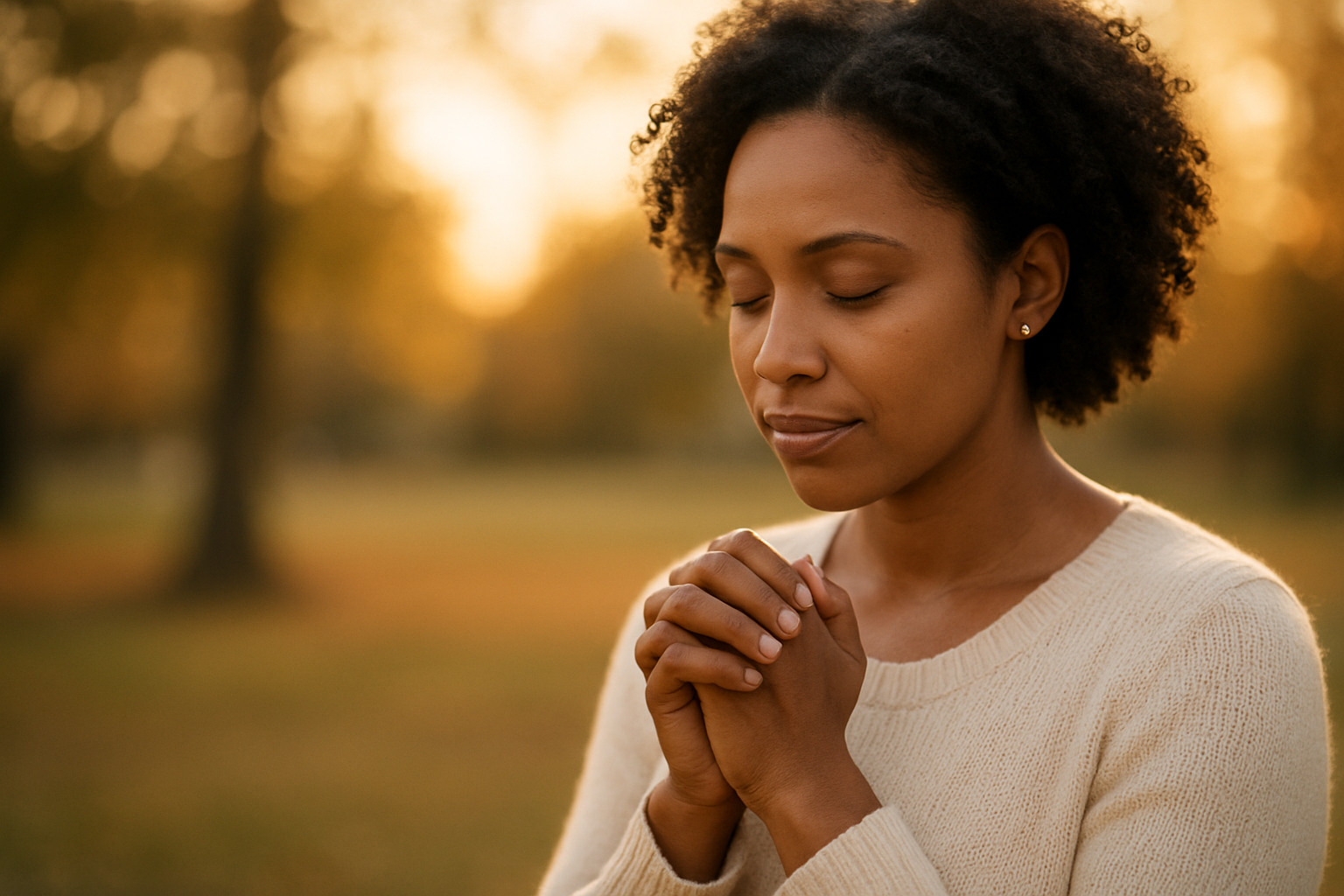
How should Christians respond after an election?
The immediate temptation is to retreat into echo chambers or to double down on social platforms with sharper edges. But a Christian response is neither cowardly silence nor performative outrage; it is prayer, presence, and prudence.
Prayer is not optional. We are instructed to pray for those in authority so that we may live peaceful, quiet lives and honor God with our conduct. That prayer shapes us first and then it moves our hands and feet.
"So we can confidently say, 'The Lord is my helper; I will not fear; what can man do to me?'" — Hebrews 13:6
Behind the Words: Hebrews addresses a community facing persecution and uncertainty. The letter comforts believers by pointing to God's unshakable help when earthly circumstances are unstable.
The Heart of It: God’s help is the root of our courage; fear shrinks when we remember who stands with us.
Try This: Imagine the person at the end of your table who voted differently than you. Before you share your perspective, ask God to help you listen—then actually listen. Let prayer prepare you and reshape your posture.
The faithful response also includes steady hope paired with mobilized compassion. Our witness will be judged by how we care for vulnerable neighbors in the quiet days after the headlines fade. Start by asking, "Who in my community feels most vulnerable now?" and then respond with presence, not just opinion.
Consider the pairing of prayer for leaders and a commitment to charitable action. We pray for those in authority and then act where power touches people's lives—food banks, mentorship, helping a single mother with car repairs—whatever your city needs.
The church is meant to be a stabilizing force. Our most persuasive political argument is often the neighbor who doesn't lose their temper, who shows up with casseroles, who forgives and keeps walking. Those are the things that hold communities together when rhetoric frays the edges.
Resist the temptation to measure success by short-term political wins. Our calling is longer than any administration. Mercy, justice, and reconciliation are multi-generational vocations. You may not see full fruit this season, but faithful presence plants seeds others will harvest.
How can we keep faith during political turmoil?
When the world tilts and alarms sound, anxiety is a normal human response. For us, anxiety becomes an opportunity to practice faith—real, gritty, embodied faith.
Faith doesn’t make emotions illegal. It invites them into prayer and offers a firm center. Ask yourself: are you practicing habits that steady you in storms, or only arguing about who’s right?
"For God so loved the world, that he gave his only Son, that whoever believes in him should not perish but have eternal life." — John 3:16
Behind the Words: John writes to a community wrestling with identity and division, offering the cross as the ultimate sign of God’s orientation toward the broken world.
The Heart of It: The gospel grounds our identity so that politics cannot hijack our hope.
Try This: The next time you scroll toward panic, stop and read John 3:16 aloud. Picture the cross between you and every news headline. Speak the gospel as a counter-bulletin.
The Heart of It: Courage — love is costly and requires fortitude. Culture often mistakes loudness for strength, but real love demands restraint, sacrifice, and endurance. Practice one radical act of love this week toward someone who voted differently: deliver a meal, offer to pray, or ask a sincere question.
There is a hard summons in Scripture to repentance: "If my people will repent and seek His face..." That is both demand and invitation. Repentance calls us to examine public policies and private hearts—pride, anger, and the thirst for dominance.
Repentance in public life looks like truth-telling with humility, confessing when we’ve contributed to division, and doing the slow work of reconciling relationships. It means choosing mercy over mockery when it would be easier to tear someone down.
We are also called to be brave in love. Remember the simple reminder: "Love is something only strong people can do." It asks us to give up the quick thrill of being right in favor of long obedience to compassion.
Keep small spiritual rhythms in place. Worship, Scripture, confession, and community keep us tethered. When fear tries to rearrange priorities, these habits reset our orientation toward Christ rather than toward crisis.
When the ground gives way: holding each other steady
The longing for a church that pulls together across divisions is not nostalgia; it is an imperative. Unity is not uniformity. We will disagree about policies, parties, and priorities—and still be called to love one another fiercely.
There is a vivid image that captures this responsibility: "The earth yearns for the rising of the sons and daughters of God." That image asks us to step into restoration. The world doesn’t need more pundits; it needs people who show up with practical help, visible mercy, and steady hope.
The Heart of It: Humble Leadership
Unity grows where leaders choose humility over triumphalism. Humility models the gospel and opens doors to dialogue that pride slams shut. Begin meetings, conversations, and sermons with acknowledgment of your own blind spots. Let humility become a regular habit.
"Make every effort to maintain the unity of the Spirit in the bond of peace." — Ephesians 4:3
The charge to "make every effort" means unity is active work. We must practice intentional acts of forgiveness, patience, and mutual service.
Picture a congregation deciding how to respond to a local crisis: some want protest, others want direct service. Instead of fracturing, they set a shared plan—prayer nights, service teams, and regular forums for civil conversation—so that both witness and mercy are preserved.
We must also protect the vulnerable. Unity that silences the marginalized or ignores injustice is counterfeit. Our unity must be justice-informed and gospel-centered; we stand together without flattening necessary prophetic critique.
Practical habits help. Create regular spaces for hard conversations that are time-limited, Scripture-guided, and facilitated by people committed to peacemaking. Encourage households to practice hospitality across political lines; invite a neighbor who voted differently to share a meal and an honest story.
Tangible acts in neighborhoods frayed by polarization—food deliveries, tutoring, community cleanups—speak louder than any tweet. These are the ways the church incarnates hope in visible forms.
Be patient with the process. Reconciliation is slow; progress comes in small, steady steps rather than dramatic leaps. We are not building a compromise of truth but a community marked by shared devotion to Christ and mutual respect.
The work is demanding, but the promise is sure: when we choose humility, mercy, and truth, we become a foretaste of the kingdom God intends.
Now is not the time to withdraw into safe corners. Step up with prayer and practical love, ask hard questions of your own heart, and be an agent of calm courage in your neighborhood.
Hold that blunt, prayerful confession—"we need help from the boss"—as both dependency and hope. Take seriously the call to repent and seek God's face, even when that call convicts you.
Will you pray for your leaders this week? Will you show mercy to the neighbor whose views grate you? Will you choose love that requires strength rather than the brittle satisfaction of being right? The world is watching. The earth yearns for the rising of those who will love, serve, and stand together in Christ.
We can do this. But we do it together.
Key Takeaways
- Trust in God's promises to overcome fears.
- Engage in prayer for leaders and the nation.
- Actively participate in community support and charity.
- Seek unity among believers regardless of political views.
- Share the Good News of the Gospel as a source of hope.
Notable Quotes
"It's important that we understand that... we need help from the boss."
"Love is something only strong people can do."
"If my people will repent and seek His face..."